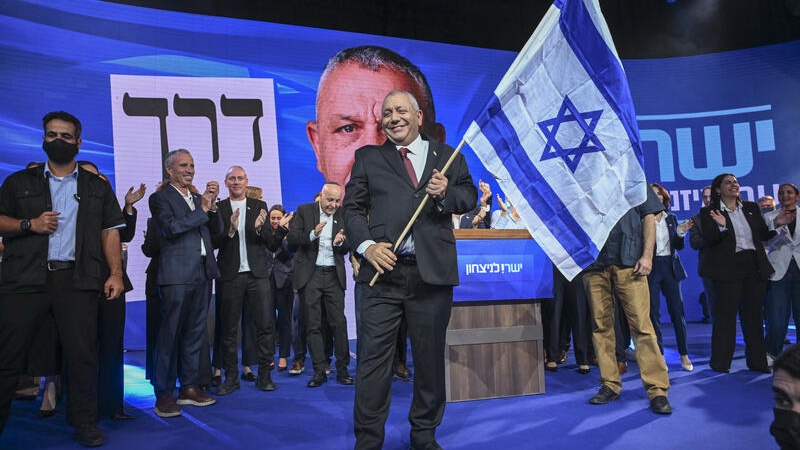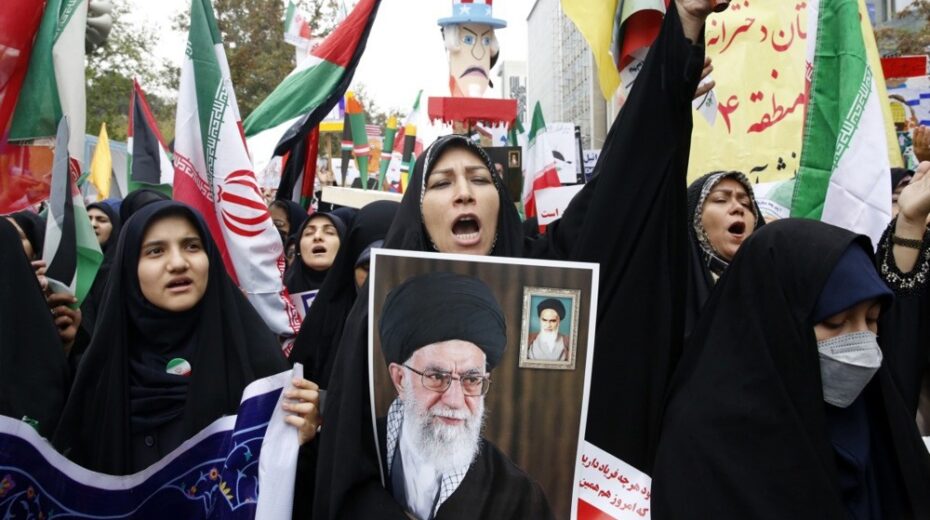

During the election campaign, High Court Justice Noam Sohlberg ordered a group linked to the ultra-Orthodox Satmar movement to stop trying to persuade Israelis not to vote in exchange for roughly $200.
The law he used, Section 122 of the Knesset Elections Law, bars giving or offering a bribe to influence a voter “to vote or refrain from voting.” It also covers the voter who accepts the money, and it carries up to five years in prison.
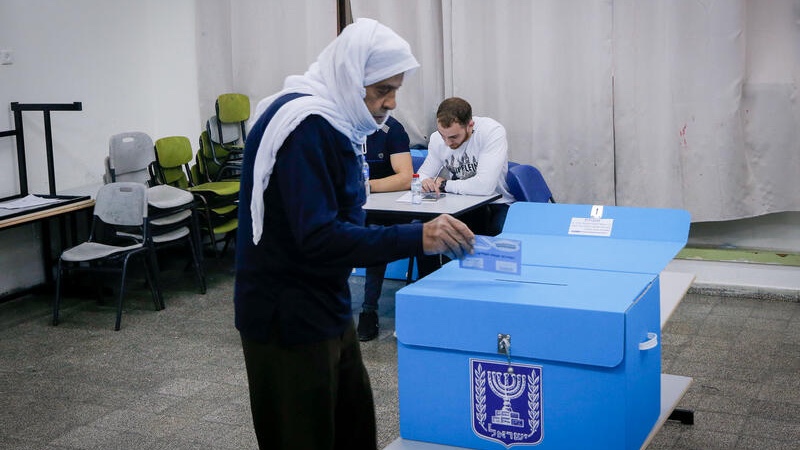
So the most important question from Israel’s October 27 election is not whether Arab parties “stole” it, as claimed by Prime Minister Benjamin Netanyahu’s Likud party. It is whether people were paid to show up, who paid them, and what the payment required.
What the witnesses say
Likud says it holds evidence of threats and violence against polling-station staff, several voters behind the screen at once, voting under...
Become a Member
-
Read all member content
Get exclusive in-depth reports from Israel.
-
Get exclusive in-depth reports from Israel
Connect with Israel, right from your home.
-
Lift up the voice of truth and hope
Support Jerusalem-based Zionist journalism.

Already a member? Login here.