Sept. 11 and Oct. 7 were a warning that ideological hostility should not be underestimated when it is paired with proven military capabilities and a willingness to use them.
Middle East

“We now have full cooperation with Israel, and hopefully they will encourage Jewish or Israeli investment in Somaliland,” the president of the breakaway republic told reporters.
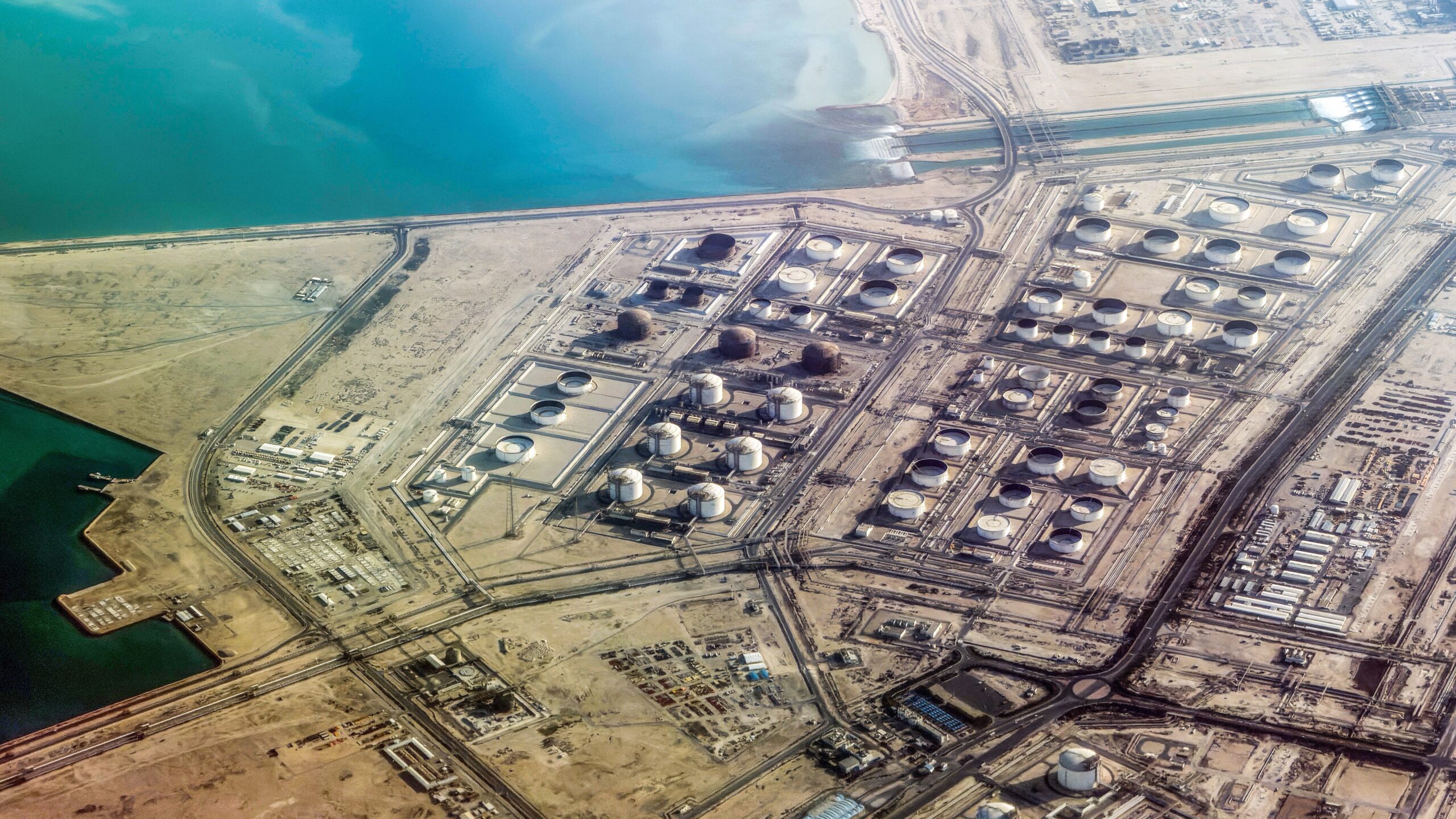
Qatari liquefied natural gas exports plunged 96% amid fallout from Iranian strikes on its energy sites.

Mohammed bin Salman thought he could stay out of the region’s widening war. Now the Houthi threat is pushing Riyadh back toward Israel.
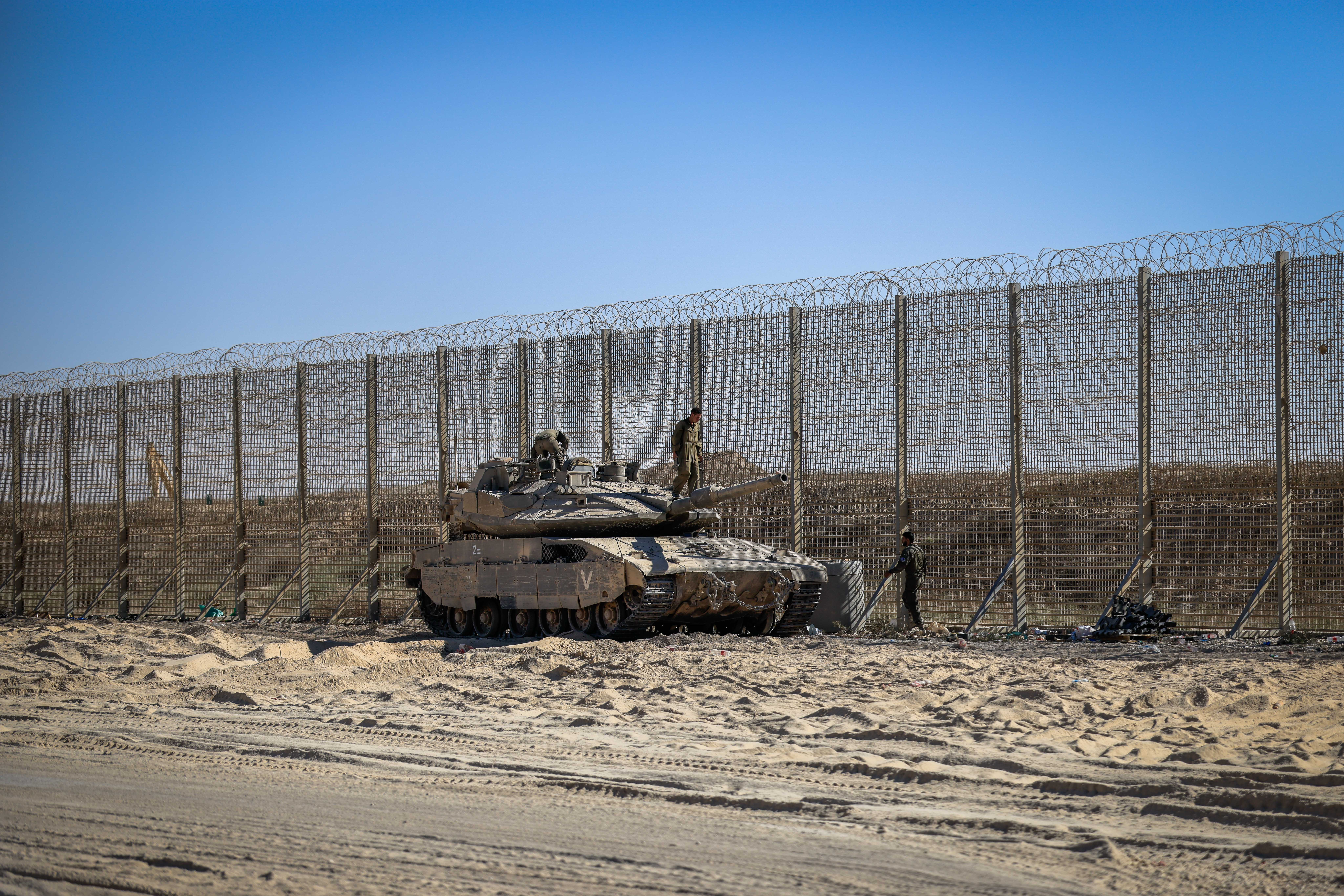
Most are open to several years of IDF rule in the Strip; Netanyahu leads rivals on suitability to serve as prime minister.
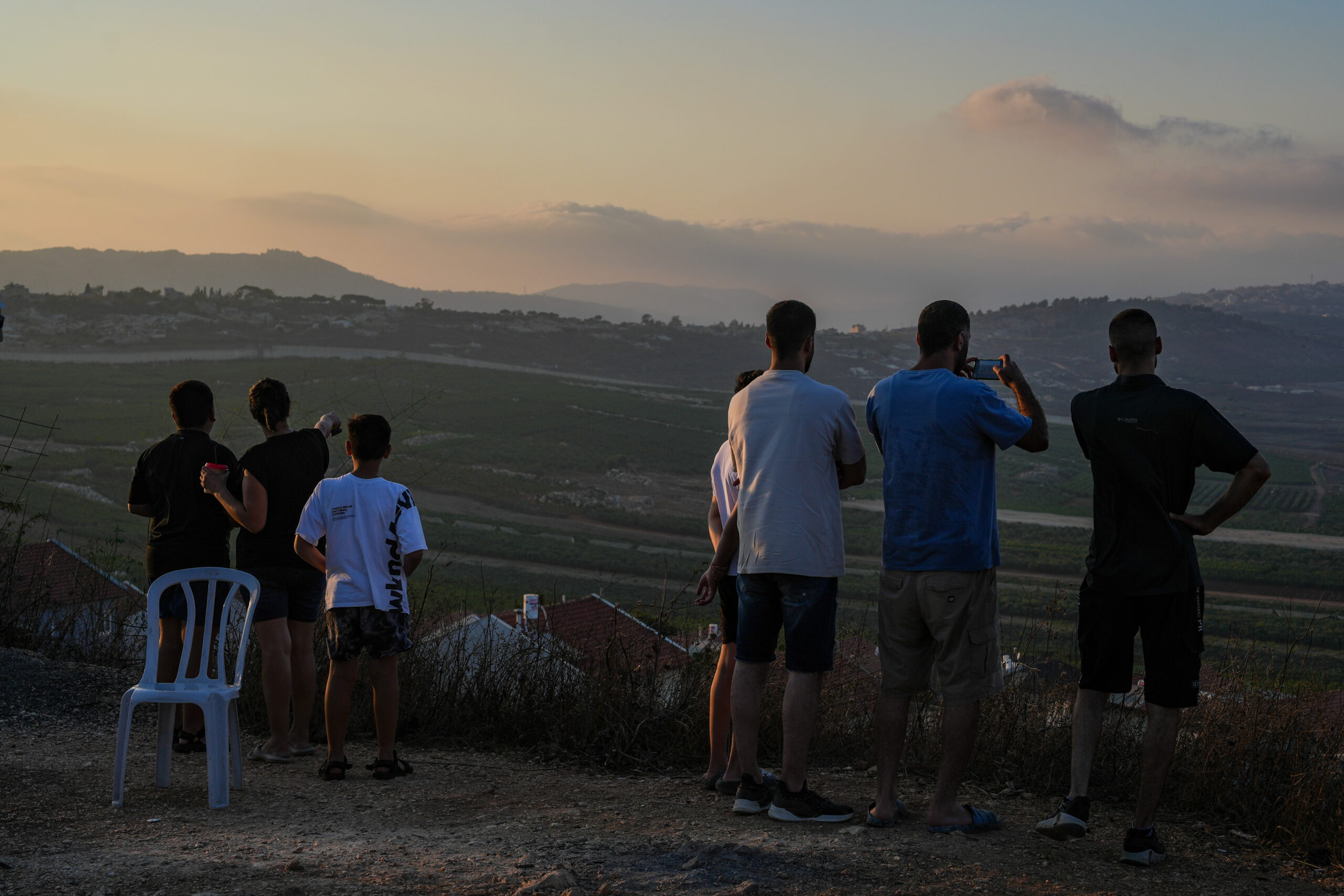
Twenty years in the making, financed by Iran, described by Hezbollah as impregnable – the Ali Taher Ridge in southern Lebanon is now history. The IDF demolished the 5.4-kilometer tunnel system with 1,100 tons of explosives.
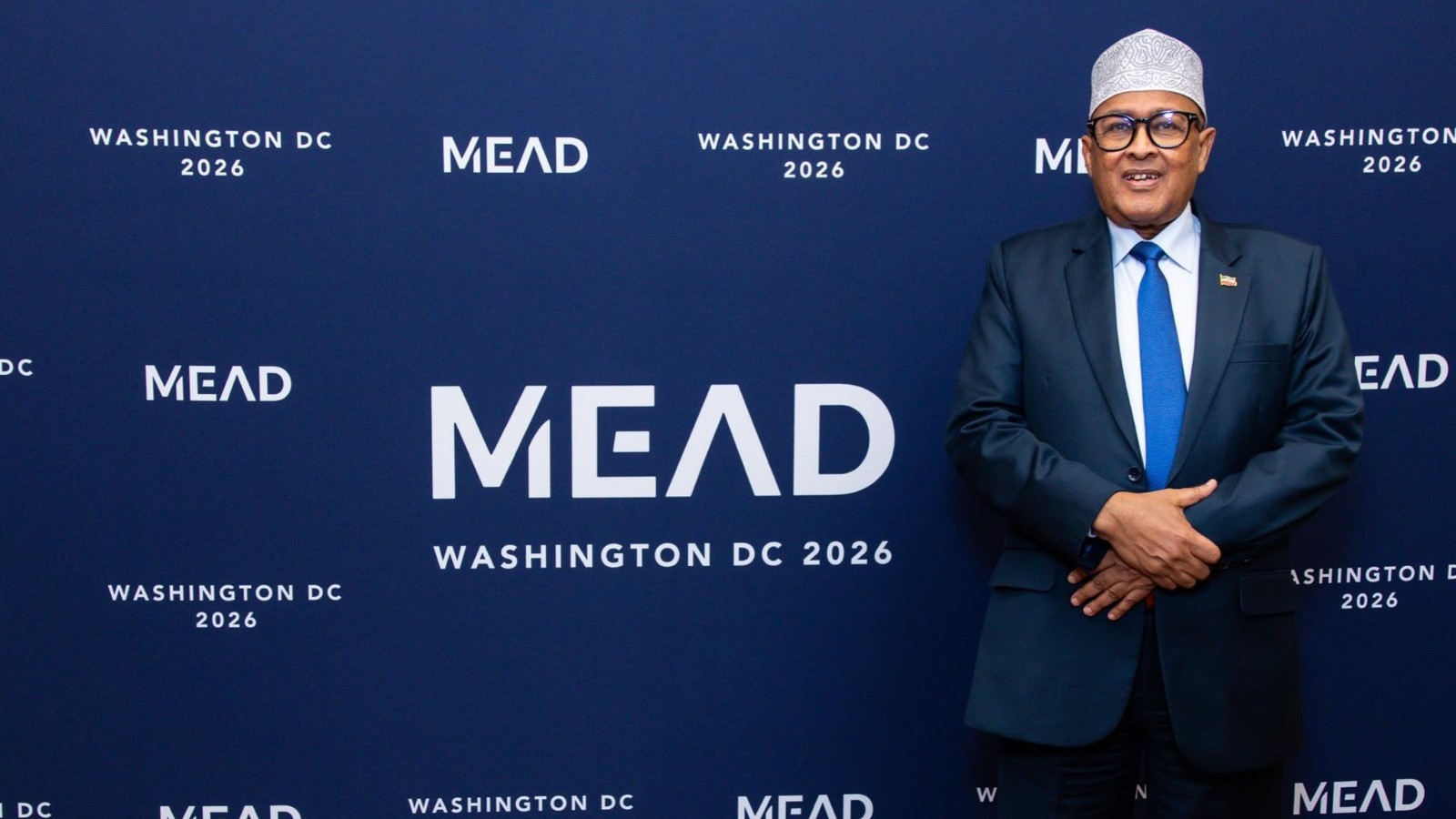
Somaliland’s president tells Israel Today that an Israeli and American military presence could increase stability in the region. His country is also ready to join the Abraham Accords and send soldiers to an international stabilization force in the Gaza Strip.
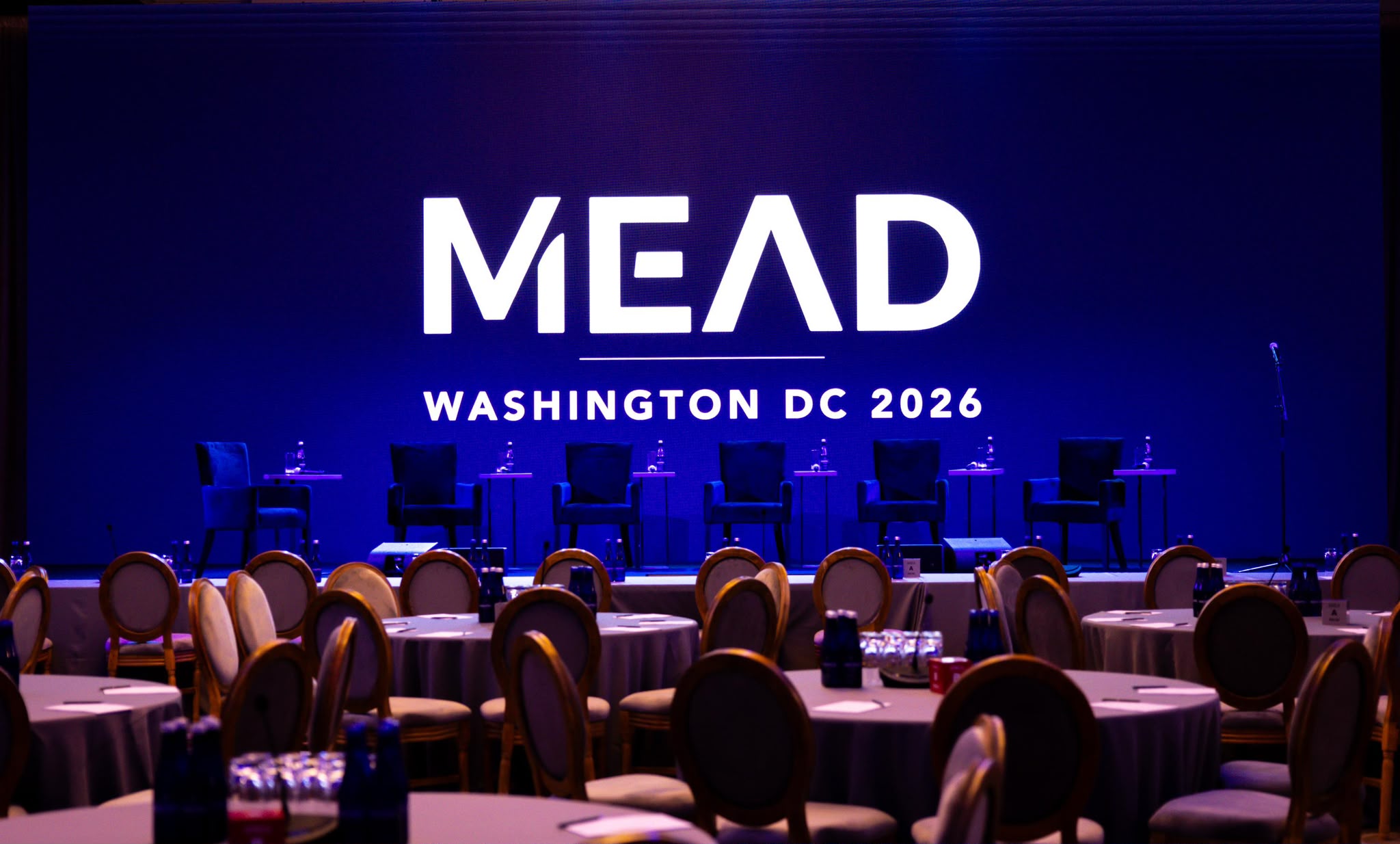
Representatives from 24 countries gathered in Washington to discuss Iran, Gaza, and the future of the region. Behind closed doors, sharp criticism of the Israeli government was also voiced.
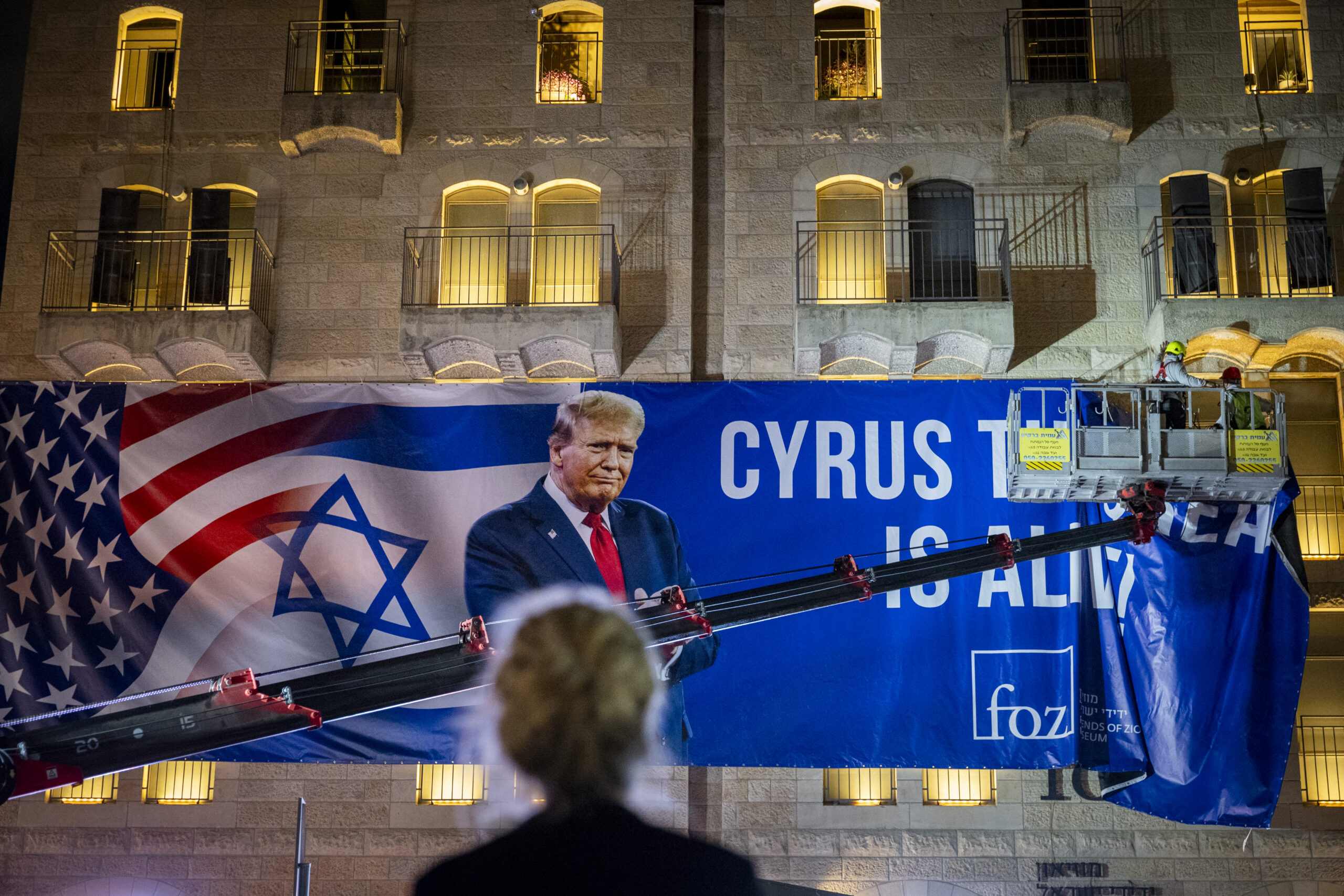
From Cyrus to Trump, history shows that foreign rulers may open decisive doors for Israel, but only Jewish leadership can turn opportunity into lasting national achievement.