

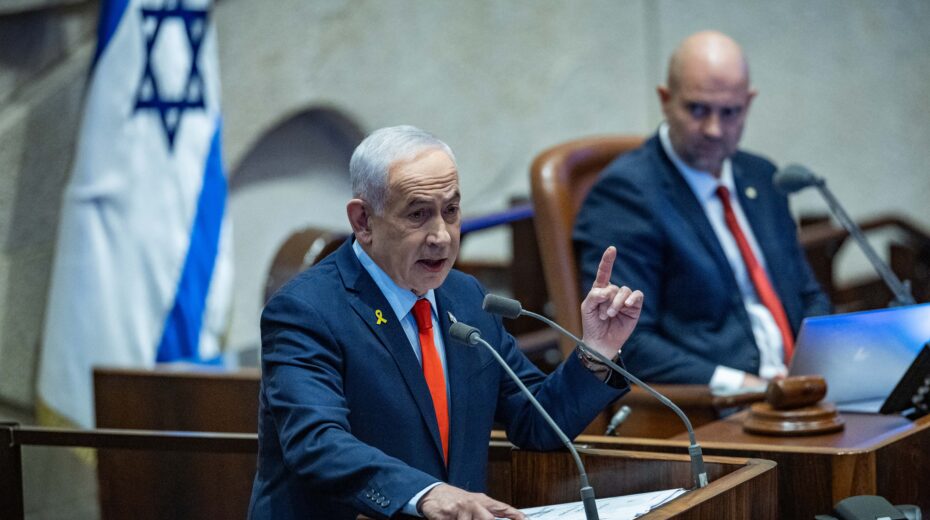

In an unusually sharp statement, the office of Prime Minister Benjamin Netanyahu has harshly criticized the latest US initiative for the future administration of the Gaza Strip. The establishment of a so-called Gaza Executive Board—an international steering body that, as part of the so-called “Board of Peace,” is intended to coordinate the transitional administration, security-related issues, and the reconstruction of Gaza—contradicts official Israeli policy and was published without prior consultation with Jerusalem.
The US administration, under President Donald Trump, presented the Board of Peace as the central coordinating body for the second phase of its Gaza plan. This international body is supposed to coordinate, among other things, the transitional administration, demilitarization, and reconstruction of the coastal strip—a mandate with far-reaching political and security implications.
Clear rejection from Jerusalem
According to the Prime Minister’s Office, the composition of the Gaza Executive Board is unacceptable to Israel. Particularly problematic is the inclusion of states that, in Israel’s assessment, maintain close political ties to Hamas or at least indirectly legitimize the terrorist organization.
Netanyahu instructed Foreign Minister Gideon Sa’ar to clearly express Israel’s displeasure to the US State Department. The Israeli leadership emphasizes that decisions about Gaza’s future cannot be made bypassing Israel’s core security interests.
In Jerusalem, the role of regional actors is viewed particularly critically. From Israel’s perspective, there is a risk that political considerations within the Board of Peace could dilute the clear demand for the complete dismantling of terrorist structures.
Invitation to Recep Tayyip Erdoğan
The debate gained additional explosive force with confirmation from Ankara that Trump had invited Turkish President Recep Tayyip Erdoğan to join the Board of Peace. According to Turkish sources, the invitation was issued in mid-January and is seen in Ankara as a sign of Turkey’s strategic importance.
From Israel’s perspective, this development is highly sensitive. Since the start of the Gaza war, Turkey has openly positioned itself against Israel and repeatedly attacked Netanyahu. A formal role for Ankara in the future administration of Gaza is therefore viewed with great skepticism in Jerusalem.
No official Israeli statement specifically on the Erdoğan invitation was initially available. However, government circles indicate that such a constellation would hardly be compatible with Israel’s security doctrine.
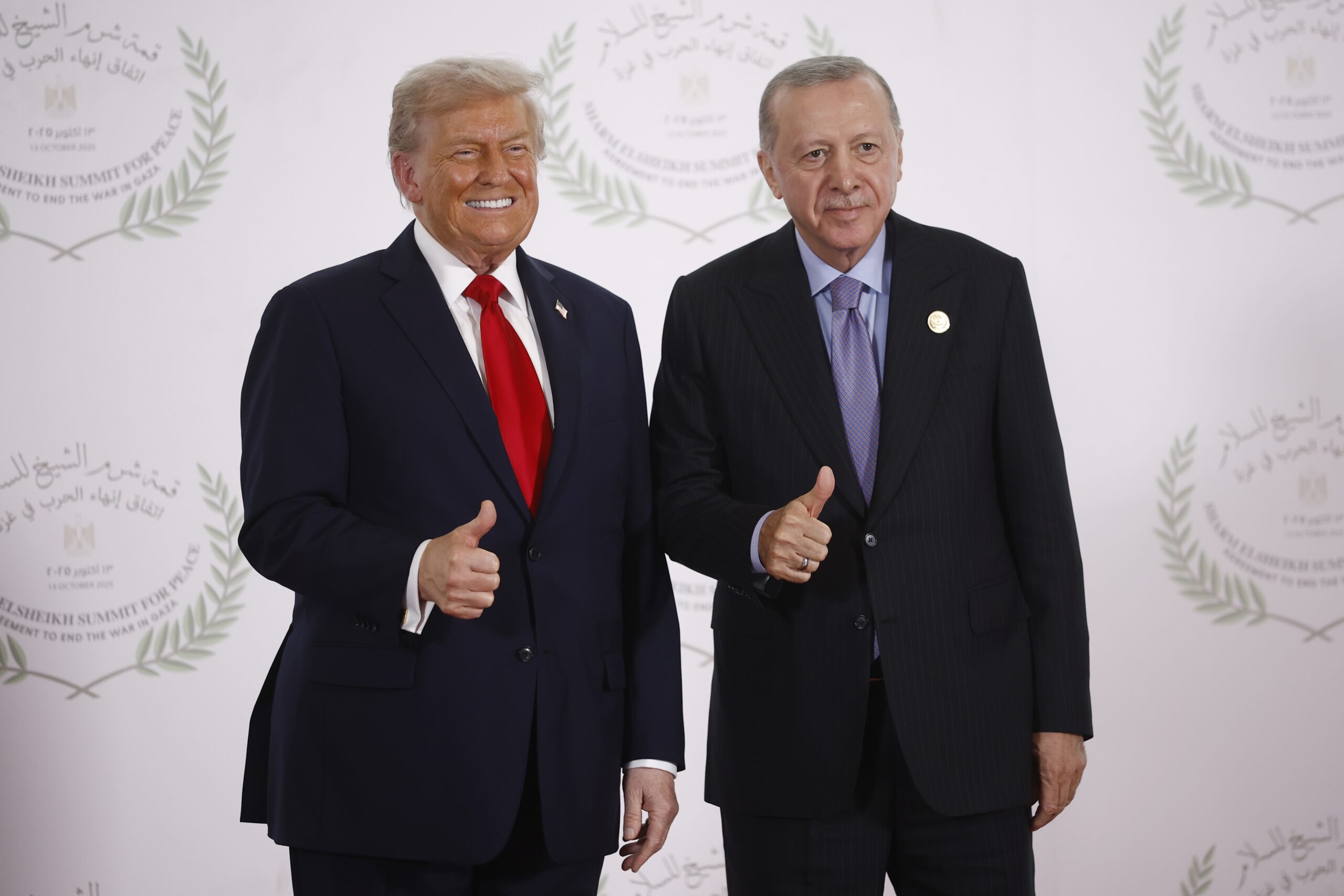
US President Donald Trump (left) and Turkish President Recep Tayyip Erdoğan at an international summit on the Gaza conflict in Sharm el-Sheikh, Egypt, October 2025. Photo: EPA/Yoan Valat/POOL.
International ambitions, Israeli reservations
The Board of Peace is intended to include not only regional actors but also international figures from politics, business, and diplomacy. Washington’s goal is to lend international legitimacy to the Gaza plan and steer reconstruction in an orderly direction.
In Israel, this approach meets reservations across party lines. Critics warn that an overly broad international body could force political compromises that create new long-term instability rather than guarantee security.
Jerusalem’s open contradiction makes it clear: Israel is not prepared to subordinate its core interests in the name of international processes. The dispute over the Board of Peace once again highlights the tensions between American diplomatic ambitions and Israeli security priorities. Whether the US plan can lead to a stable post-war arrangement in Gaza—or open new lines of conflict—remains open for now.
Want more news from Israel?
Click Here to sign up for our FREE daily email updates







Clearly, Trump’s support of Israel is questionable, at best. Follow the money?
Who in their right mind would want a Turkish ‘peace keeping force’ in their country?