(JNS) As the Trump administration intensifies pressure to transition to “Phase 2” of the Gaza ceasefire agreement, potentially as early as January, observers in Israel see no sign of Hamas disarming as the terror organization reestablishes its fundamentalist, murderous regime over the 47% of Gaza that it controls.
Despite multiple reports of international stabilization force preparations and Palestinian technocratic governments, the reality inside the Gaza Strip could not be more starkly different.
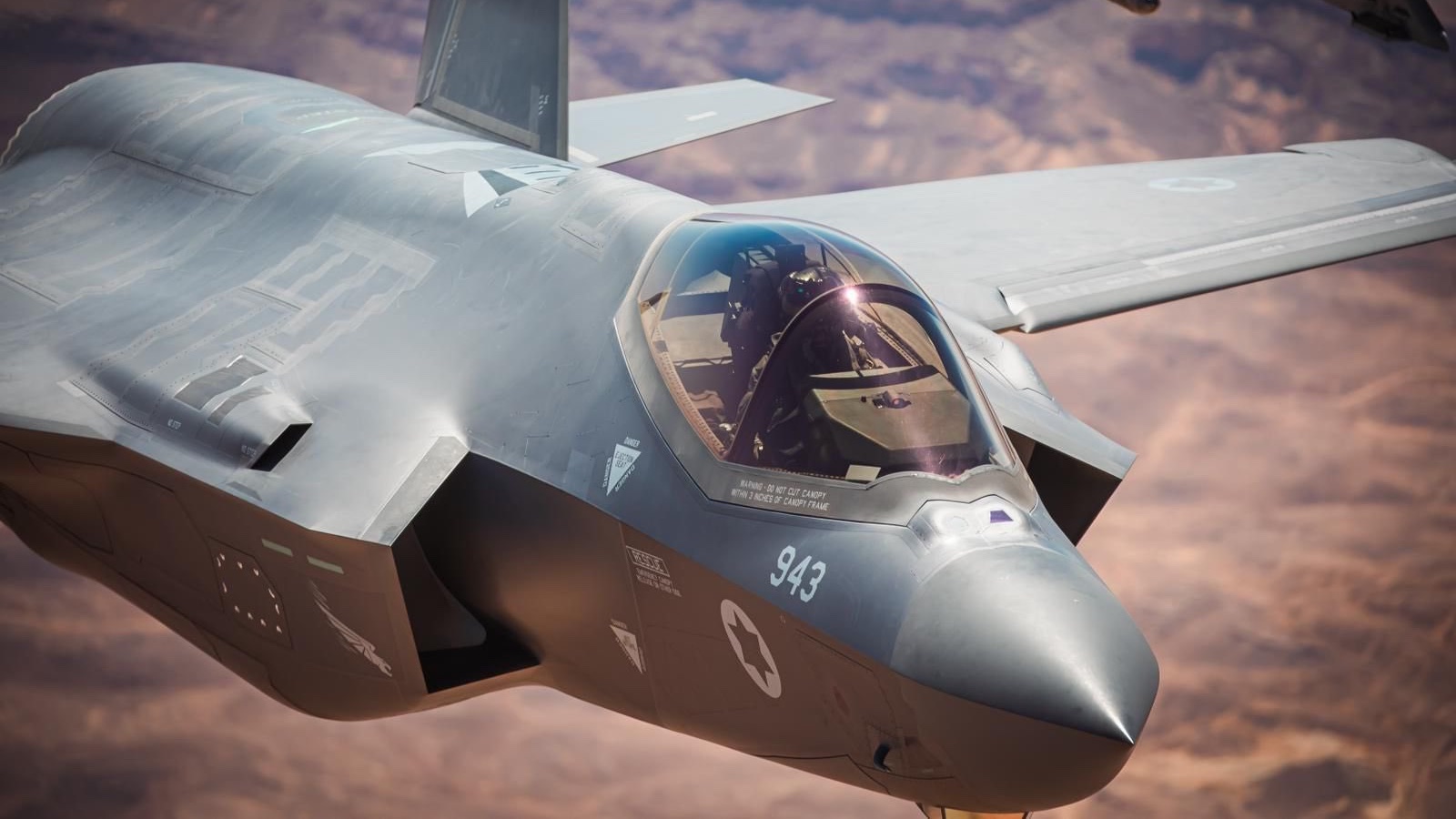
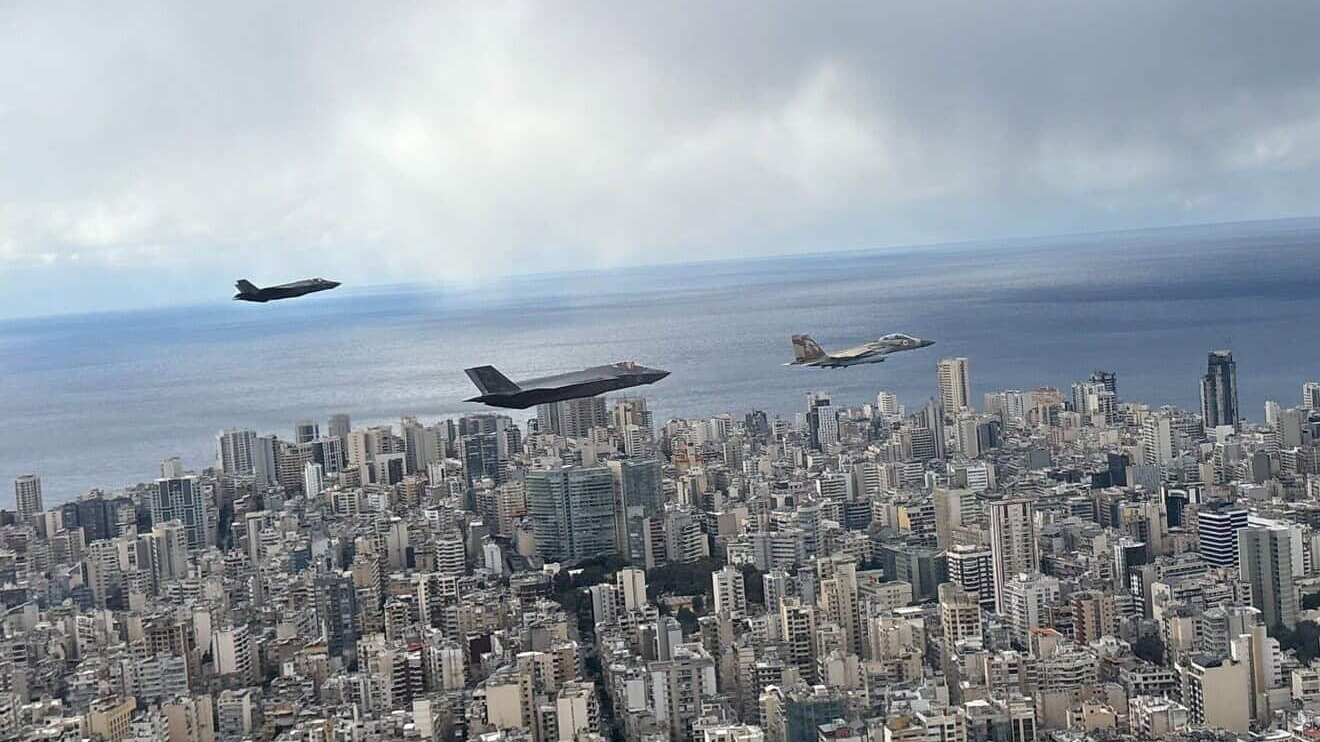
Hamas is actively rebuilding its regime of terror, refusing disarmament, and testing the IDF’s forward positions along the Yellow Line, which demarcates the areas of Gaza currently under Israeli control, leading to targeted Israeli airstrikes to enforce the terms of the truce.
The dissonance between the diplomatic vision in Washington and the security reality in Gaza was exposed in recent multiple incidents where terrorists breached the Yellow Line. One recent case was on Dec. 20, when Israel Defense Forces troops identified two terrorists crossing the line and approaching forces, posing an immediate threat.
The Israeli Air Force eliminated them. The following day, three separate incidents occurred where suspects crossed the line, causing the IAF to strike again to remove the threats.
According to an IDF official, Hamas is now focused on aggressively reasserting its sovereignty. The official, speaking to JNS, detailed how Hamas is exploiting the current pause to cement its control over the population, even as Hamas’s military-terrorist chain of command remains fractured.
“Most of what we are seeing regarding [Hamas] strengthening, improving, and preserving capabilities is mainly in the political,” the IDF official stated. “That is to say, they are trying very hard to strengthen and maintain their status vis-à-vis the Palestinian population, to show that they are still the sovereign and that they can still provide them with food and make donations to the needy and collect taxes.”
The military official explained that this effort is a calculated message to both the local population and the international community. “They are trying to tell the Palestinians, ‘You will not have anything better than us,’ even though the truth is clear to all of us,” he said. “And probably also to the international community, they are trying to signal, ‘We don’t need an international force; we can do it alone.’”
This effort by Hamas includes seizing control of aid distribution, creating headquarters for its men and appointing members to political roles, while the terror group’s military recovery is still in early stages.
“There is no one really holding the organization together right now militarily, but in the political world, they are trying hard,” the official assessed.
The IDF official stressed that Israel retains and acts upon the right to disrupt Hamas’s military reconstruction efforts and truce violations. “According to the ceasefire agreement, we are permitted to attack any attempt at military rehabilitation that we see,” the official said. “Incidentally, that is the reason that [Hamas’s head of weapons production, Raad] Saad was eliminated. They are living in a problematic state where they try to connect these two worlds—the political and the military—but we have the right to neutralize that and thwart that, and that is what we are doing.”
The official confirmed reports that Hamas is actively levying taxes on the population, adding that it is fair to assume that Hamas is trying to restore arms production. However, it cannot freely smuggle anymore from Sinai due to Israel’s control of the Philadelphi Corridor and Egyptian counter-trafficking measures.
‘Everything is stuck’
The IDF is engaged in complex preparations to clear the territory it controls—53% of Gaza—of dangers. “We need to ensure that all the unexploded ordnance … needs to return to us and that it does not remain as enemy loot,” the official explained.
Additionally, the IDF is clearing infrastructure to pave the way for what is termed the “Alternative Security Community.”
“These are basically the alternative cities that we are ultimately supposed to provide to the international community … in the area of the Khan Yunis/Rafah Mawasi,” the official said. “We are preparing the ground there … removing all the half-ruined houses, all the infrastructure … so that someone can come and rebuild.”
Simultaneously, he confirmed, the IDF is preparing for the scenario of the truce collapsing and for multiple enemy courses of action.
“At the moment, everything is stuck because Hamas is stalling it,” the official added. “That is to say, Hamas is the one not willing to disarm, and therefore the international force is not entering, and therefore the solution for Gaza does not yet exist because there is no state willing to risk its soldiers for the Israeli-Palestinian conflict.”
Meir Ben Shabbat, head of the Misgav Institute for National Security and Zionist Strategy and Israel’s former National Security Advisor (2017-21), told JNS in recent days that proceeding to Phase 2 under these conditions would be a strategic calamity. He warns that Hamas has regained its confidence and has no intention of fading away.
“First, it must be said that Hamas today no longer conducts itself out of a sense of danger to its existence,” Ben Shabbat stated. “It is fighting for the conditions that will ensure its status and the continuation of its influence as a significant power factor in the Palestinian arena and the regional system.”
Ben Shabbat dismissed the notion that Hamas would voluntarily disarm. “One should listen well to what its senior officials say regarding the matter of disarmament and the demilitarization of the Strip. From their perspective, this is not going to happen,” he said. “At most, they speak of a ‘hudna’ [temporary truce] within the framework of which there will be a holding of fire and preservation of weapons without disarming… or all kinds of other delusional and deceptive ideas.”
Ben Shabbat argued that Hamas is eager to transition to Phase 2 (also called Phase B) precisely because it entails an IDF retreat. “Currently in Hamas, they are very interested in moving to Stage B and are acting to convince the mediating countries and through them, the United States, to pressure Israel to do this,” he noted.
“This is the stage that is supposed to provide them with one of the most important achievements from their perspective, after the war: A significant Israeli withdrawal from Gaza territories, including the southern, northern, and eastern areas under current IDF control, except for a narrow security strip [the security perimeter]. This stage is supposed to pave the path to a full withdrawal in stage C.”
For Israel, Ben Shabbat contended, the primary goal remains disarmament of Hamas and demilitarization of Gaza, not a ceasefire. “The transition to the second stage, without a practical plan for demilitarization, is not an Israeli interest. The opposite is true!” he asserted. “IDF control in the areas from which it is supposed to evacuate not only improves security preparedness for multiple scenarios, it also leaves in Israel’s hands a significant pressure lever on Hamas and on the mediating countries.”
Ben Shabbat suggested that a lack of reconstruction is preferable to a flawed and doomed ‘solution,’ adding, “From Israel’s perspective, it is preferable to leave the Gaza Strip in its ruins, without a future, without hope, and without rehabilitation, than to compromise on solutions for the sake of appearances regarding the issue of weapons and demilitarization.”
Ben Shabbat outlined a rigorous six-point plan for Israel, which includes maintaining strict firepower control over terrorist movements, preventing smuggling, and continuing targeted assassinations.
“It is inconceivable that they [Hamas commanders] will enjoy a feeling of immunity because of the ceasefire, at an hour when their trend is to rehabilitate their military capabilities,” he warned.
At the same time, the former national security advisor noted that the top current US priority is to stabilize the truce, adding that the joint military headquarters in Kiryat Gat fulfills an unclear goal.
Ben Shabbat urged the Israeli government to harness the support of US President Donald Trump. “We are not on an adversarial path with him; everything said here are things that he himself is interested in achieving,” he said.
Want more news from Israel?
Click Here to sign up for our FREE daily email updates