A convergence of security crackdowns, economic vulnerability and political uncertainty raises questions about the regime’s long-term stability.
Middle East
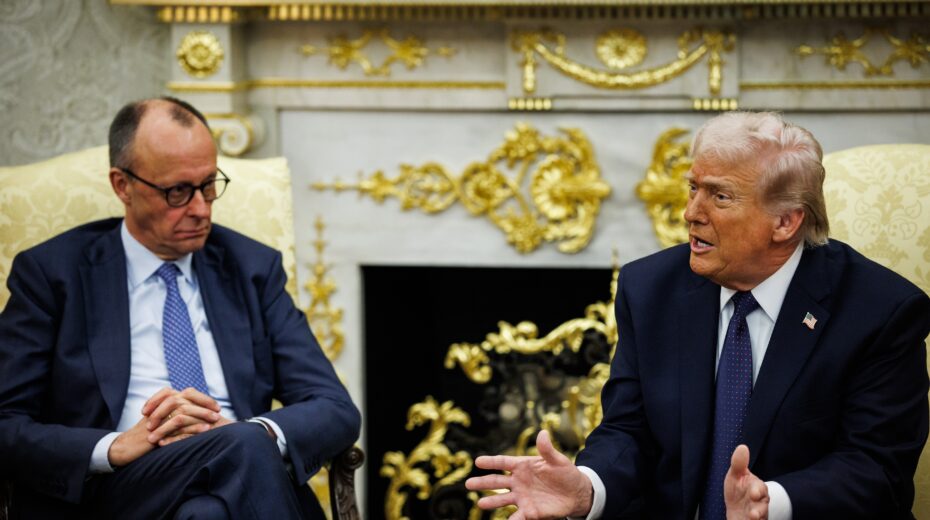
After critical remarks from Berlin, Washington responds with unusual force. The conflict shows how sharply strategic assessments on Iran now differ.
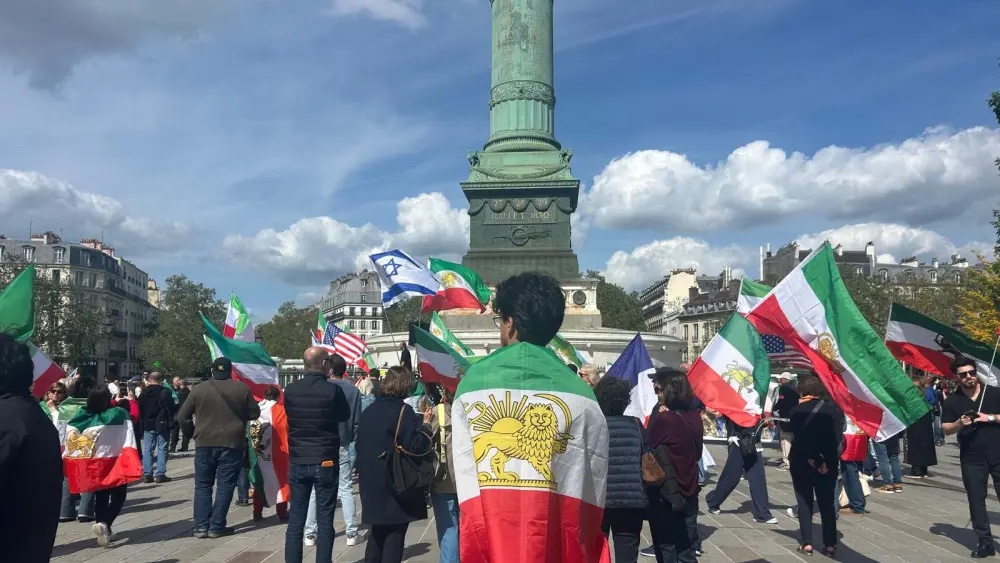
Protesters praise “unity between the Iranian and Israeli peoples.”
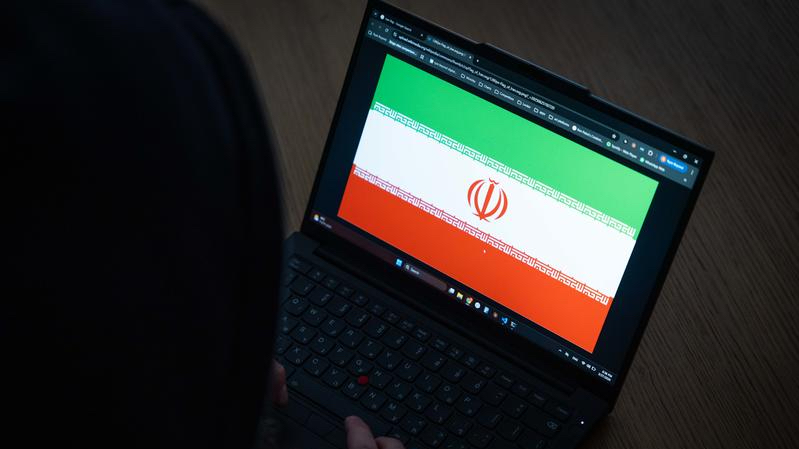
A state with public backing does not flood its cities with checkpoints, expand executions and shut down the internet.
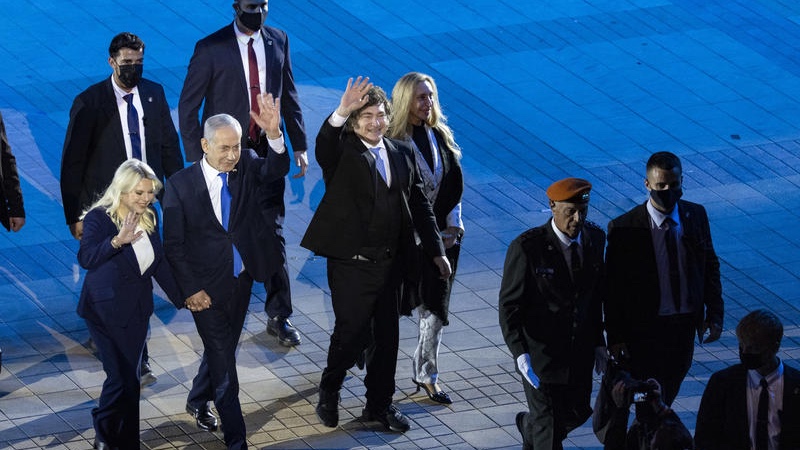
Israeli and Argentine leaders, meeting in Jerusalem, sign “Isaac Accords” to promote ties between the Jewish state and Latin America and announce direct flights to Buenos Aires.
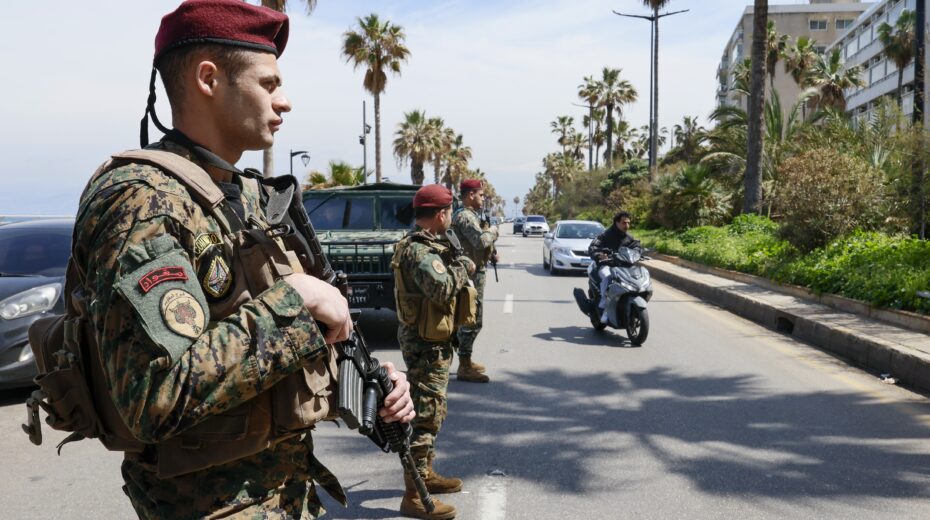
Can it now disarm Hezbollah, or will it risk national fragmentation?
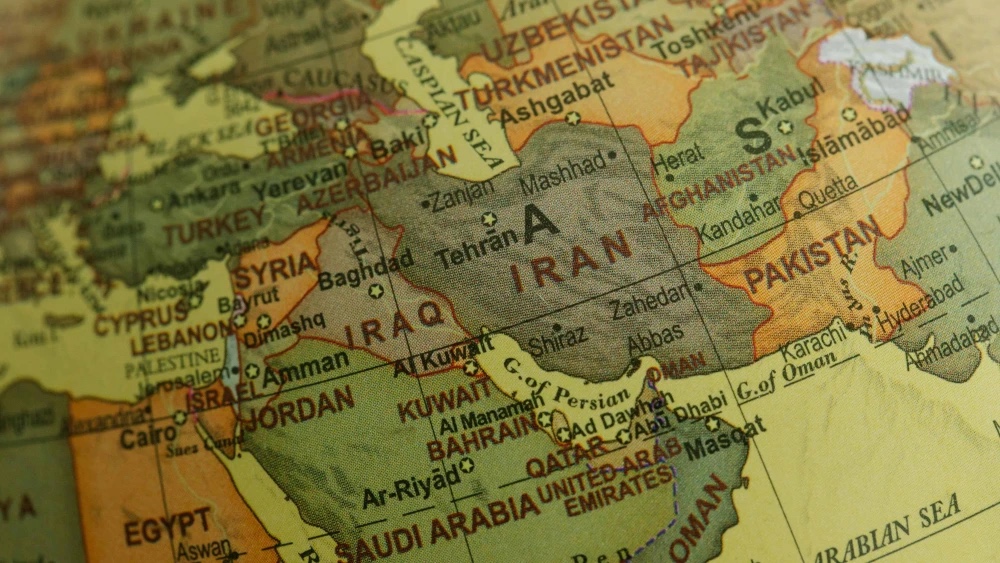
Westerners rarely apply the terms “colonialism” and “imperialism” to Arabs or Muslims, though the land they control is far larger than Europe or the United States.
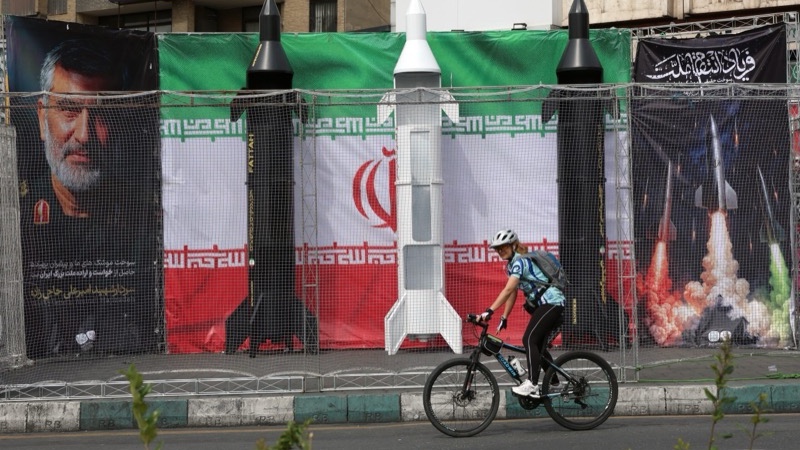
It does not operate solely according to traditional cost-benefit analysis. Concepts such as endurance, resistance, martyrdom and Islamic legitimacy play a central role in decision-making.
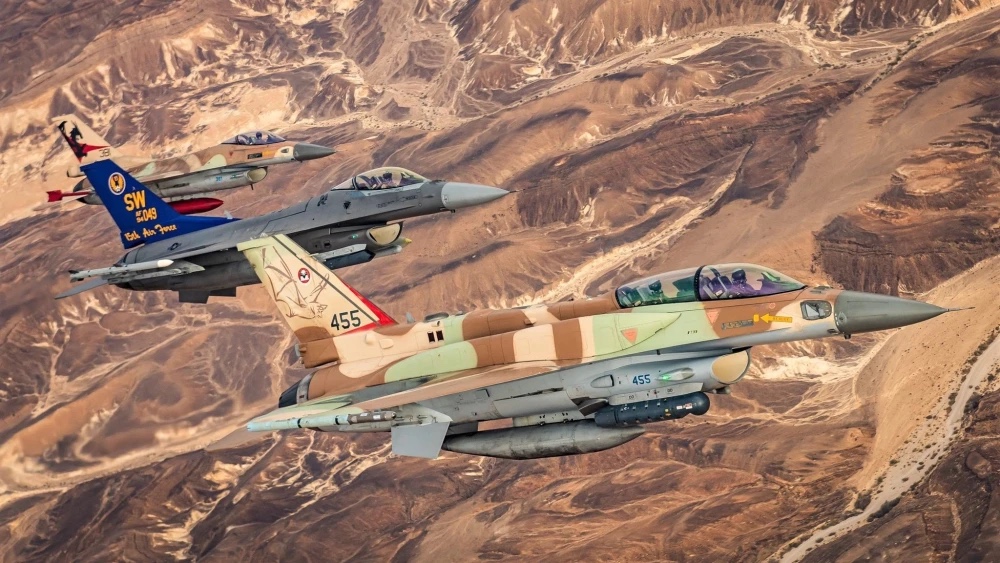
Pundits can claim that Iran and its terror proxies have won a war, even if it has no grounding in reality. If this is what Hamas, Hezbollah and Tehran consider a victory, then they should continue winning this way for the next 100 years.