“The damage is incredibly painful to the regime. … You can’t continue to fight if you can’t pay your officers. If you can’t financially sustain the war, that’s a fatal problem,” says an Israeli expert.
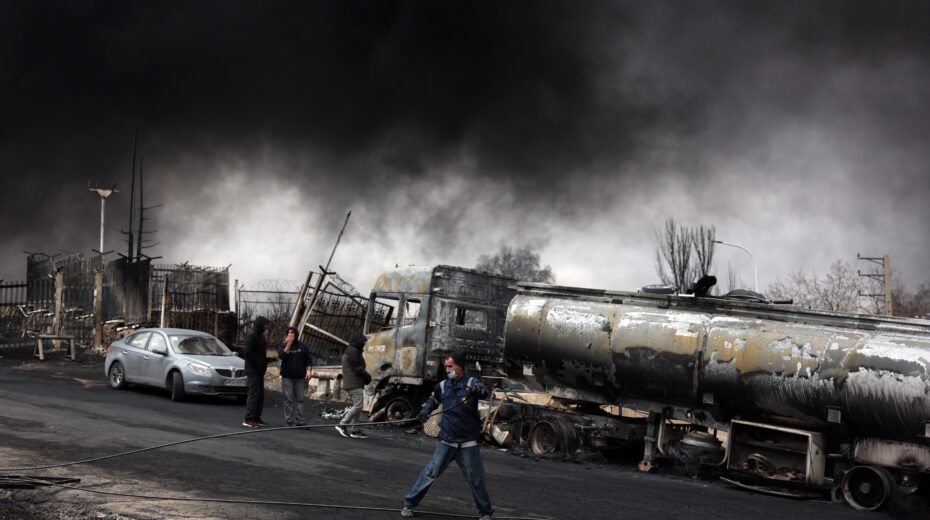
“The damage is incredibly painful to the regime. … You can’t continue to fight if you can’t pay your officers. If you can’t financially sustain the war, that’s a fatal problem,” says an Israeli expert.
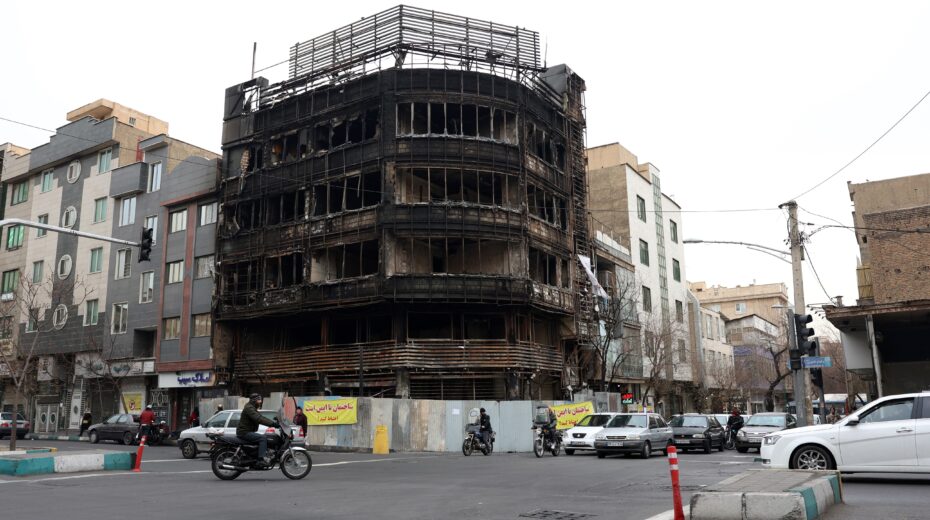
Of course Iranians want to topple the Islamists, “they don’t have anything to eat,” says INSS expert. But the obstacles remain formidable.

The significance of the ballistic threat is exacerbated by the capability gaps within Europe’s missile defense architecture.
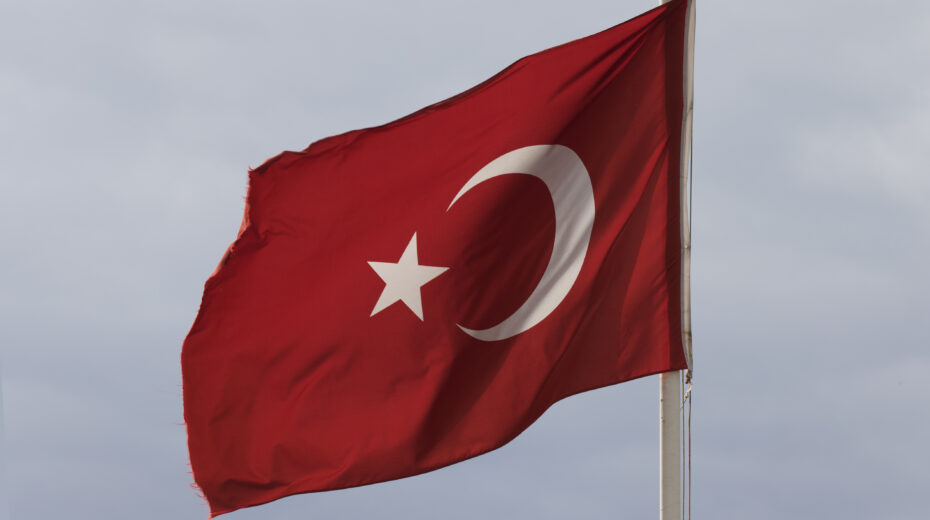
Ankara’s balancing act grows more difficult as economic pressure, border instability and strategic tensions reshape its position in the Middle East.
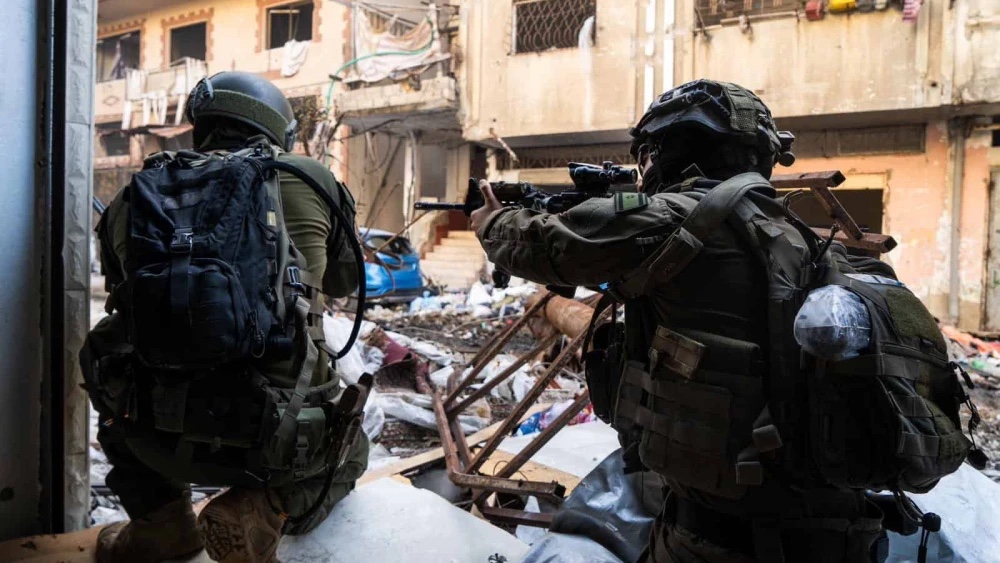
The initiation of the joint US-Israel military campaign against Iran has precipitated a fundamental refocusing of regional priorities. This unprecedented military undertaking has forcefully shifted the geopolitical center of gravity toward the Persian Gulf, rapidly relegating the Gaza Strip to a secondary theater of operations.
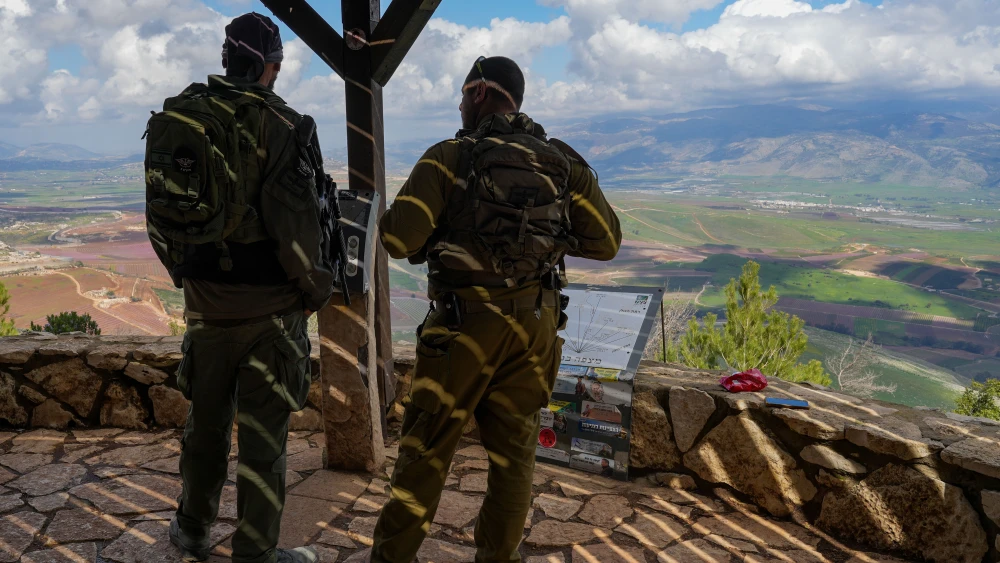
Israel ramps up ground maneuvers and mass evacuations in Southern Lebanon as it moves to dismantle Hezbollah’s presence south of the Litani River and impose a new “Yellow Line” security reality.
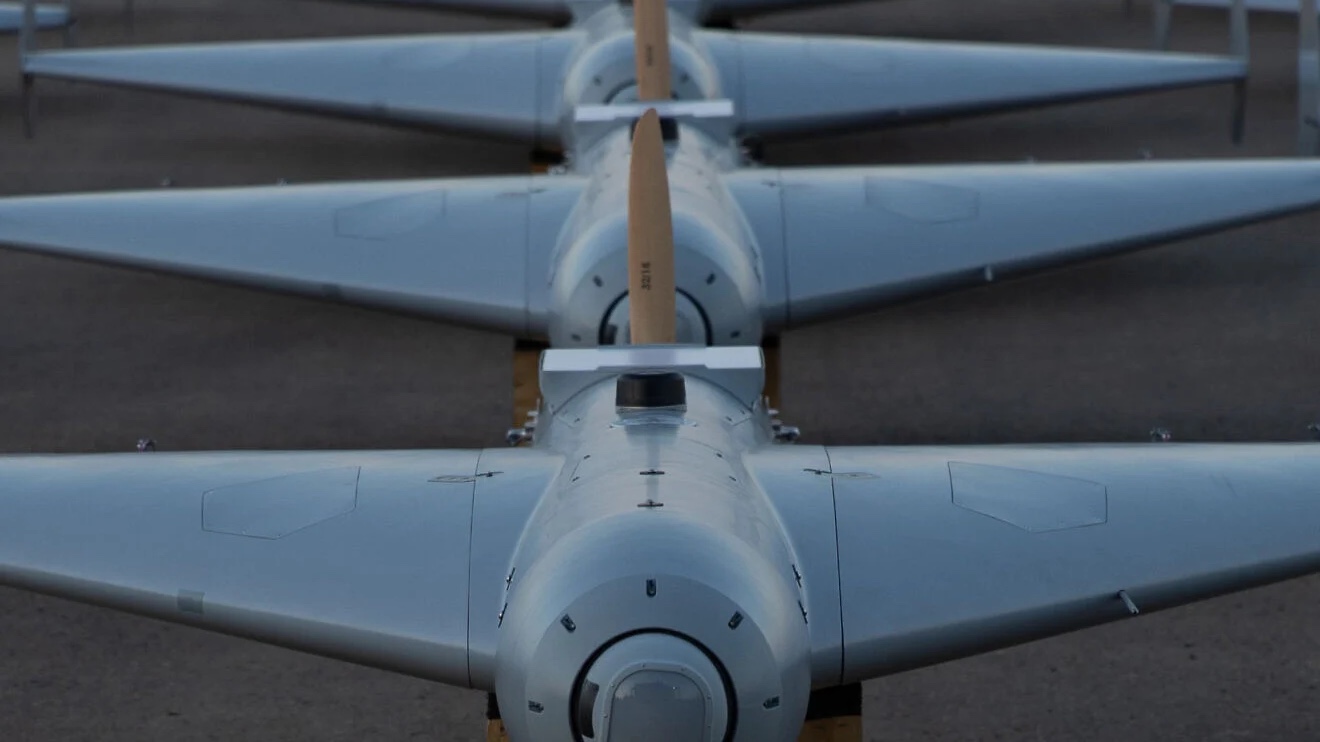
The war between Israel, the US and Iran is not only reshaping the Middle East battlefield; it is accelerating a revolution in how modern wars are fought.
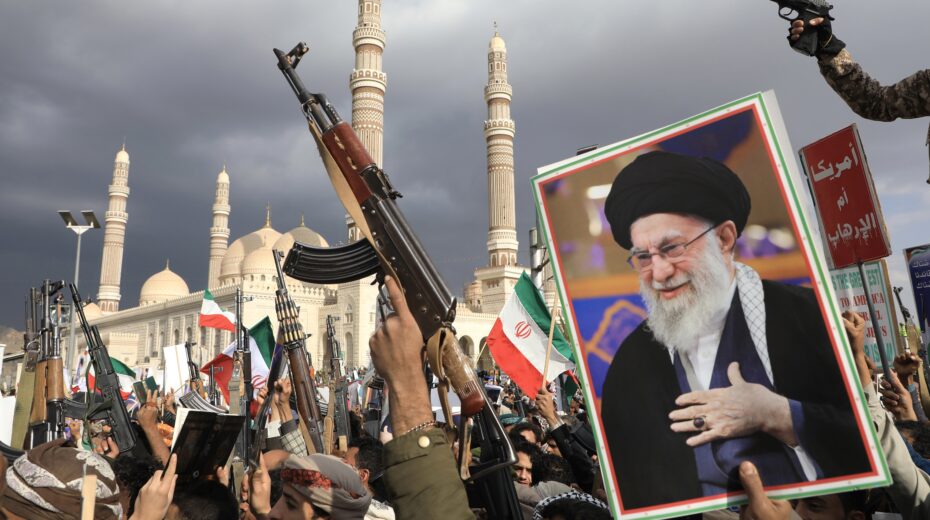
The ideological reluctance of the movement to enter the current regional conflict is heavily reinforced by the recent degradation of its military capabilities and the high vulnerability of its supply lines.
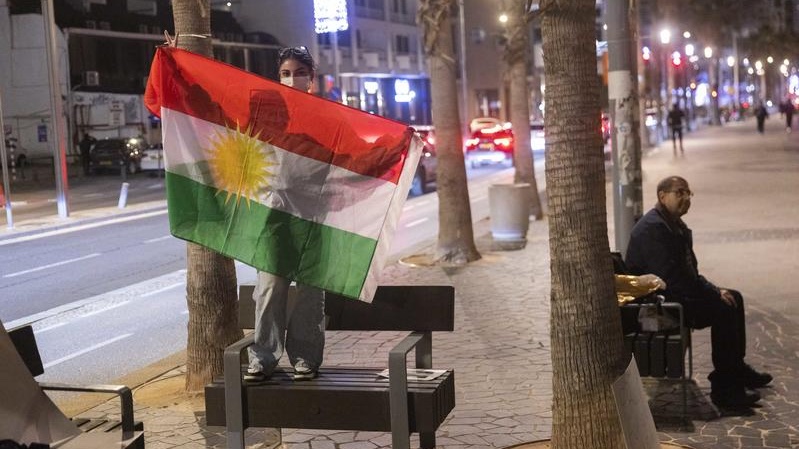
“We believe we have a big chance now,” a senior Iranian Kurdish official said.
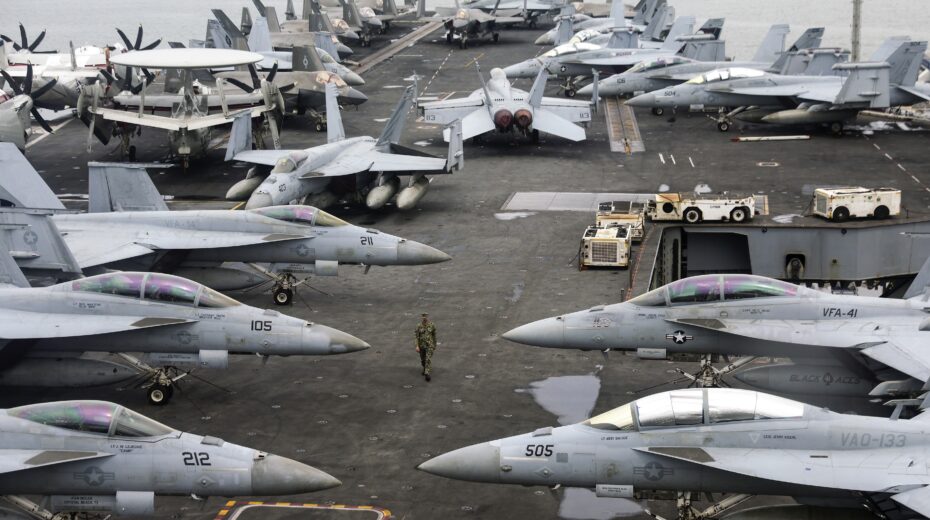
Trump is weighing airstrikes to neutralize the Islamic Republic’s nuclear and ballistic missile programs, and a sustained campaign to topple the regime.