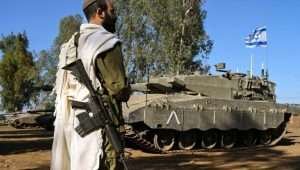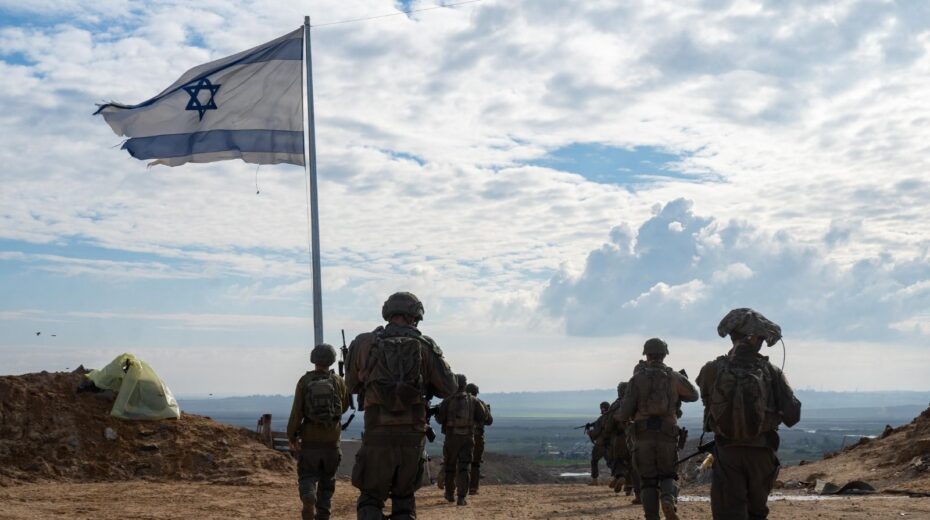

Soldiers from the 2nd Reserve Infantry Brigade “Carmeli” of the Israel Defense Forces (IDF) have for the past several months held positions along the Yellow Line — the ceasefire line to where Israeli forces pulled back as part of US President Donald Trump’s truce proposal. According to the military, during these operations Israeli troops killed dozens of terrorists and destroyed extensive Hamas infrastructure.
The reservists uncovered and neutralized a wide arsenal of weapons: explosive devices, mortars, grenades, mines, and rocket launchers — weapons intended for attacks on Israel. They also demolished hundreds of terrorist facilities, including multiple tunnel shafts that served Hamas fighters both as hiding spots and as staging grounds for attacks on IDF forces.
With the conclusion of this mission, the Carmeli Brigade is now being replaced by troops from the 16th Reserve Infantry Brigade “Jerusalem”. The IDF stressed that units of the Southern Command remain active — fully aligned with the current ceasefire agreement and with a clear mandate to eliminate any immediate threat.
Even in recent days, incidents have occurred along the ceasefire line. On Monday, Israeli soldiers discovered weapons and Hamas surveillance equipment near eastern Rafah; the Golani Brigade secured Kalashnikovs, anti‑tank weapons, and cameras used by Hamas to monitor IDF movements further south. At the same time, additional terrorist infrastructure was dismantled, and dozens of fighters killed while posing a clear threat.
In a separate incident, IDF soldiers in southern Gaza shot and killed a terrorist who had crossed the Yellow Line and approached the troops with what was described as a “suspicious object.” According to the army, he posed an immediate danger.
The military reality on the ground has increasingly taken on political significance. Trump recently stated at the White House that his planned international stabilization mission for Gaza is effectively already underway, and that additional countries will join and send troops — despite Jerusalem’s insistence that a second phase of the ceasefire should not proceed until the remains of the last Israeli hostage are returned.
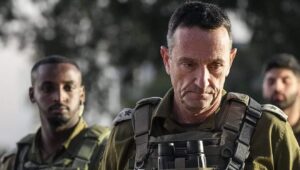
A central element of the current security architecture is the Yellow Line itself. On December 7, IDF Chief of Staff Eyal Zamir declared that this line is “a new border line.” Israel retains operational control over large parts of the Gaza Strip and will remain on these defensive lines. The Yellow Line now serves as both an advanced protective boundary for Israeli communities and as a zone for military operations.
After the first phase of the US‑proposed ceasefire plan, Israel controls roughly 53 percent of the Gaza Strip. For the soldiers on the ground, that means one thing above all: vigilance. The ceasefire remains fragile — and the Yellow Line is not just a political marker, but a real, dangerous front.
Want more news from Israel?
Click Here to sign up for our FREE daily email updates