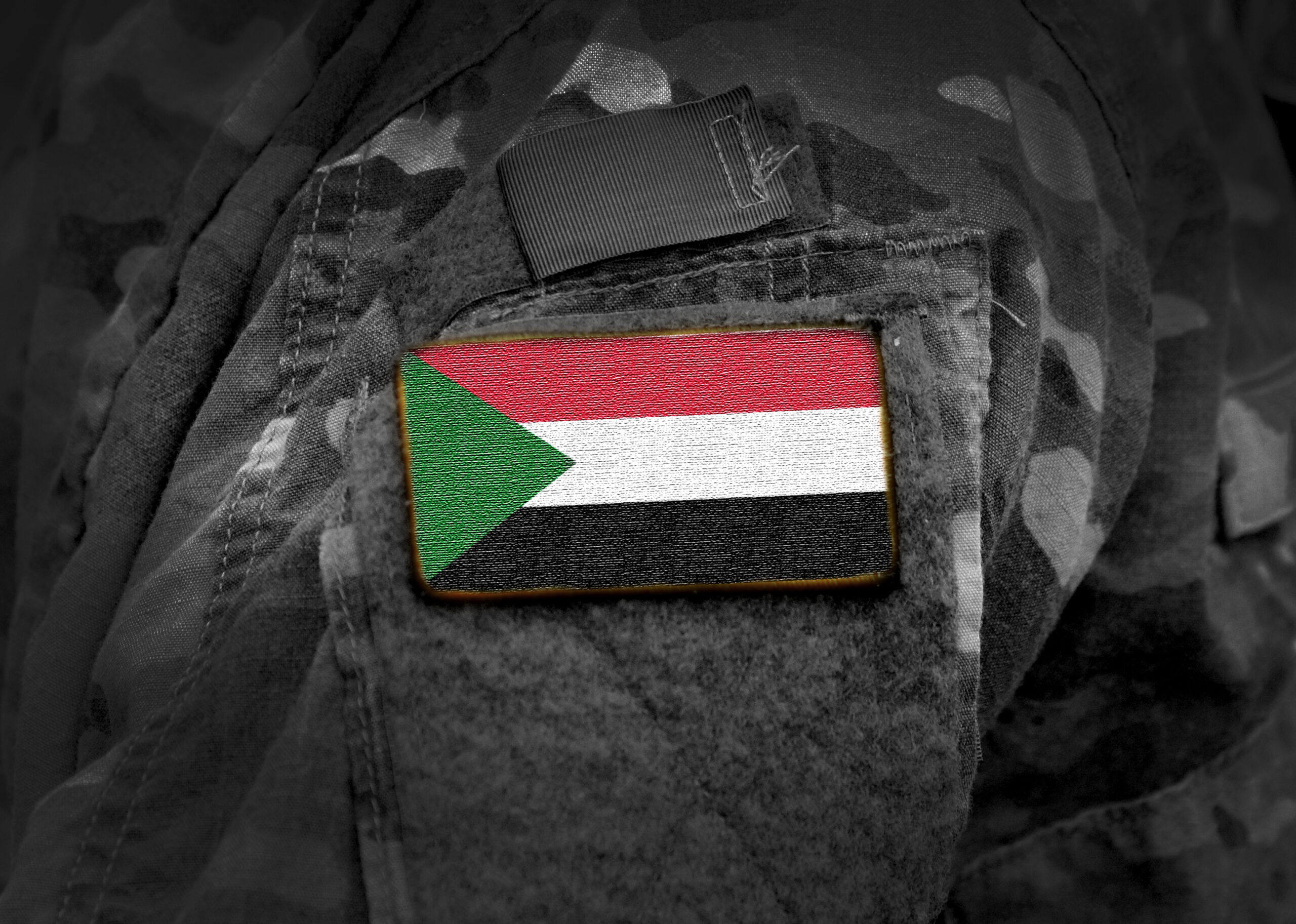

(JNS) Sudan, one of the original signatories of the Abraham Accords alongside the United Arab Emirates, Bahrain and Morocco, is no longer active in the agreement. The trajectory of its civil war will determine whether the country can restore normalization with Israel, regress into Islamist authoritarian rule or even become an Iranian-aligned proxy on the Red Sea.
Sudan’s relationship with Israel shifted after the collapse of Islamist authoritarian rule. A brief moment of hope emerged under a transitional government led by a civilian leader supportive of the Abraham Accords, but normalization quickly stalled amid civil war. The future of Sudan’s normalization with Israel now depends on whether the country can resist an Islamist resurgence and avoid becoming part of Iran’s expanding regional axis.
For decades, Sudan positioned itself as a frontline rejectionist state against Israel and aligned itself with Iran’s regional agenda. The 1967 Khartoum “Three No’s”—no peace, no recognition, no negotiations—defined Arab policy for a generation. In the 1990s, authoritarian Islamist rule turned Sudan into a...
Become a Member
-
Read all member content
Get exclusive in-depth reports from Israel.
-
Get exclusive in-depth reports from Israel
Connect with Israel, right from your home.
-
Lift up the voice of truth and hope
Support Jerusalem-based Zionist journalism.

Already a member? Login here.