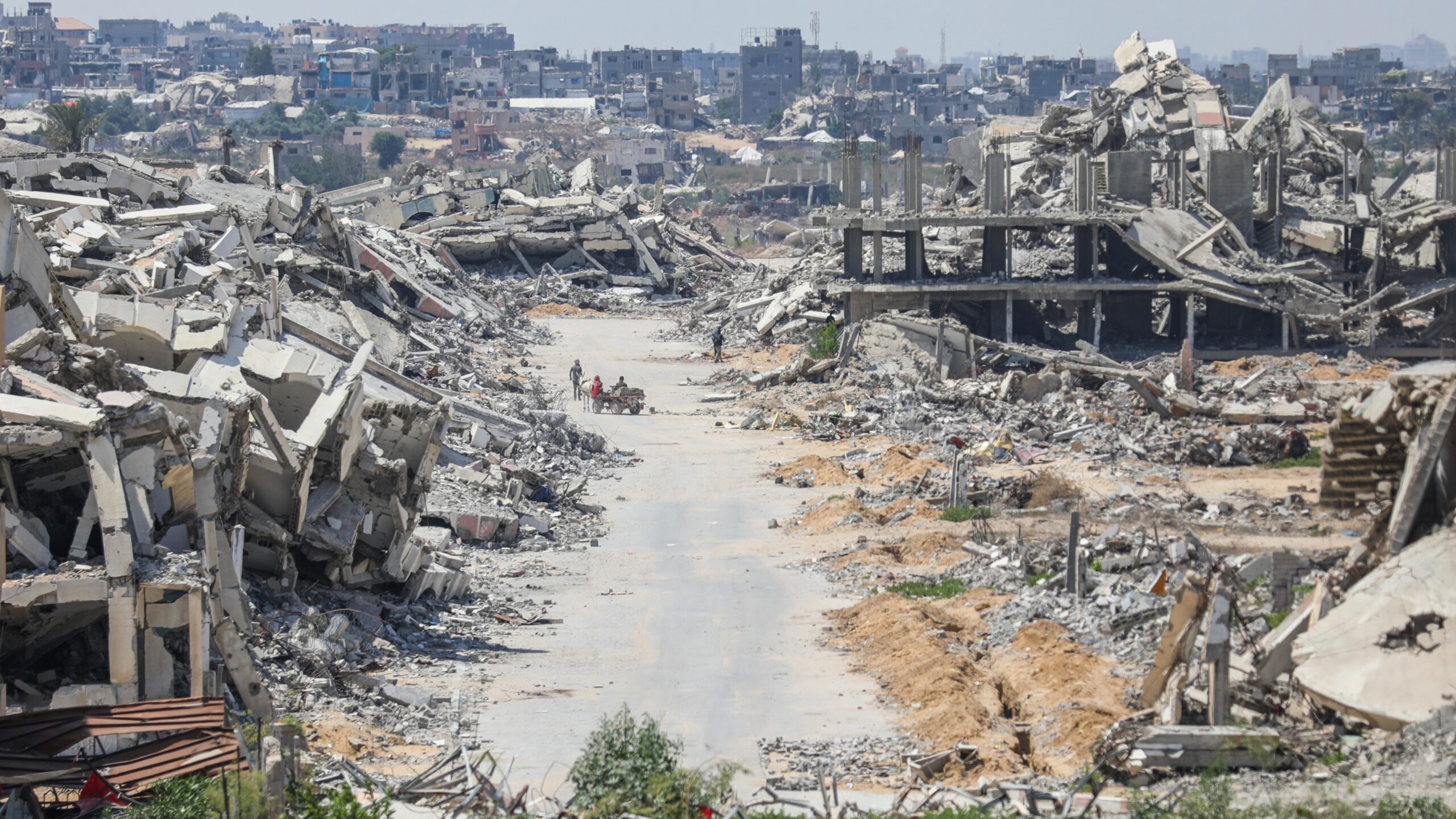

The war against Iran and the clashes with Hezbollah in Lebanon have recently pushed the Gaza Strip somewhat out of the spotlight. Yet behind the headlines, the central political question of this conflict continues to develop there—and it remains unresolved.
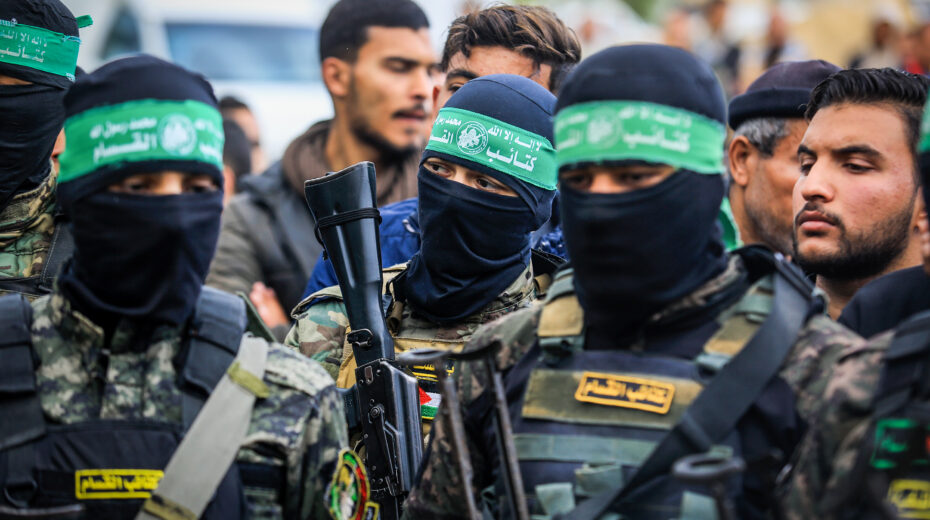
Hamas has made clear that it is not willing to accept any genuine demilitarization. In talks with international mediators, the terrorist organization has tied any discussion of possible disarmament to one central condition: Israel must first withdraw completely from the Gaza Strip.
According to media reports, this position was presented in recent talks in Cairo to Egyptian and Qatari mediators. In doing so, Hamas is responding officially for the first time to an international proposal that envisions gradual disarmament in exchange for political and economic prospects for the Gaza Strip.
But that is precisely the approach the organization rejects. From its perspective, surrendering weapons can only be discussed once Israel ends all military activity, withdraws completely, and fully implements all terms of a possible ceasefire.
In doing so, Hamas is setting conditions that contradict the core of the international approach. From Israel’s point of view, the sequence is clear: first the terrorist organization’s disarmament, then any possible withdrawal. A pullout without prior demilitarization would mean creating the conditions for renewed rearmament and future attacks.
The positions could hardly be farther apart. While international actors are trying to launch a gradual political process, Hamas insists on a scenario that would effectively allow it to preserve its military structures—at least until a full Israeli withdrawal.
This once again makes clear why so many initiatives have failed so far: for Hamas, its weapons are not a negotiable detail, but part of its very existence.
Leading Hamas figures such as Khaled Mashal and Musa Abu Marzuk have in recent months rejected key elements of a plan proposed by US President Donald Trump, especially the demand for disarmament—even though the organization had initially agreed to the proposal in October.
Mashal also stated Hamas’s position publicly. At an anti-Israel conference in Istanbul in early December, he declared: “The resistance and its weapons are the honor and pride of the nation.”
Without military strength, Hamas would risk not only its power in the Gaza Strip, but also its claim to be the leading force in the “resistance.”
For Israel, however, that is precisely the central issue. After the experience of recent years, Hamas’s disarmament is regarded as a prerequisite for any long-term stability. From Jerusalem’s perspective, a scenario in which the organization remains armed while Israeli forces withdraw is out of the question.
Against this backdrop, a diplomatic breakthrough currently appears highly unrealistic. Talks are continuing, but the fundamental question remains unresolved: who moves first—and at what price?
Want more news from Israel?
Click Here to sign up for our FREE daily email updates