
There are voices interpreting the temporary ceasefire with Lebanon imposed on Israel as a capitulation—as yet another spectacular failure by Prime Minister Benjamin Netanyahu and proof that, in the end, the United States is the one calling the shots.
But beneath the surface, a far more complex picture emerges, and not everything is black and white. There are tactical successes here that, if handled correctly, could become strategic successes.
At first glance, the State of Israel enters this ceasefire under significantly better conditions than it did a month and a half ago—before the fighting began on March 2, triggered by Hezbollah, which sought to avenge the death of Ali Khamenei and dragged Lebanon into a bloody war.
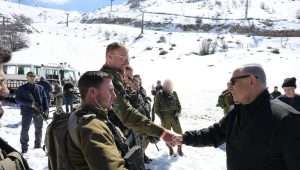
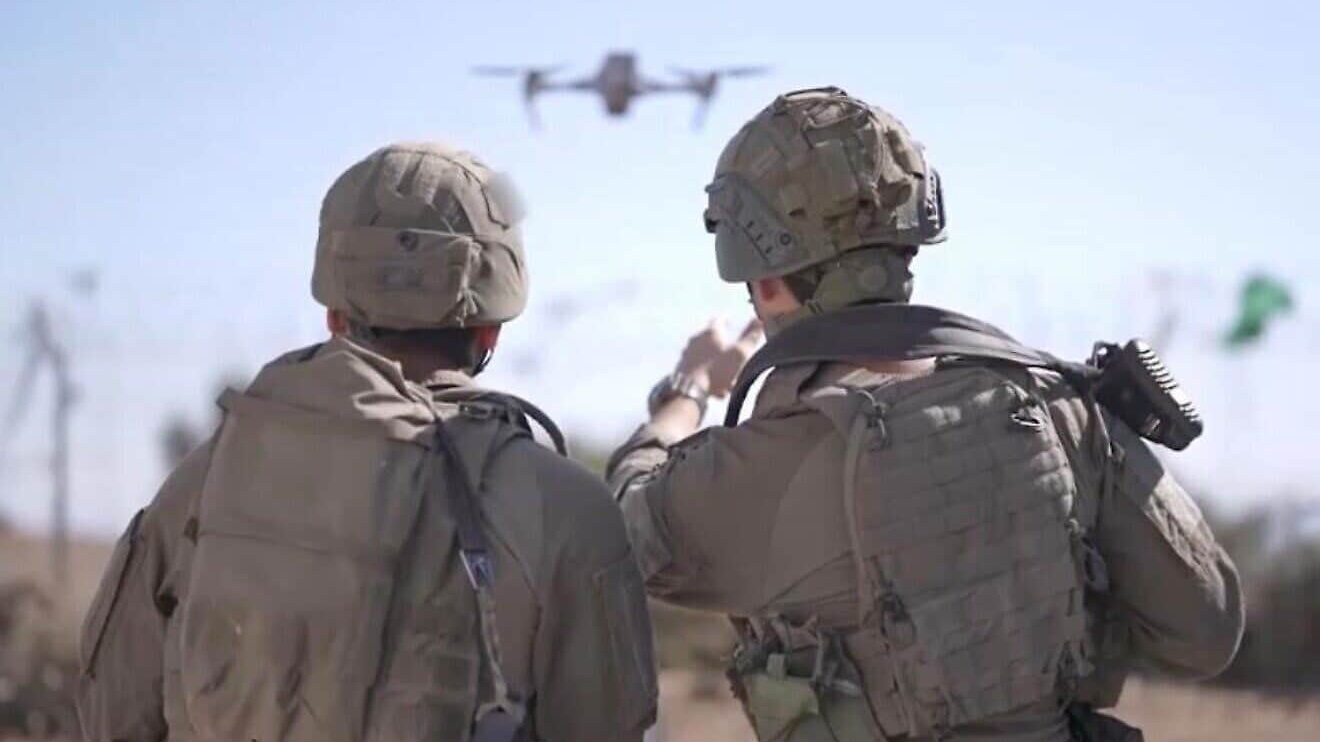
Since then, Israel has achieved two important tactical successes. First, it has taken control of the anti-tank line and now sits about ten kilometers deep inside Lebanese territory. Southern Lebanon is, with the exception of Christian villages, largely free of civilians. Hezbollah demanded as a condition for a ceasefire that Israel withdraw to the five points it held...
Become a Member
-
Read all member content
Get exclusive in-depth reports from Israel.
-
Get exclusive in-depth reports from Israel
Connect with Israel, right from your home.
-
Lift up the voice of truth and hope
Support Jerusalem-based Zionist journalism.

Already a member? Login here.