Hezbollah must now weigh Israel’s response and Tehran’s interests before every move.

Hezbollah must now weigh Israel’s response and Tehran’s interests before every move.

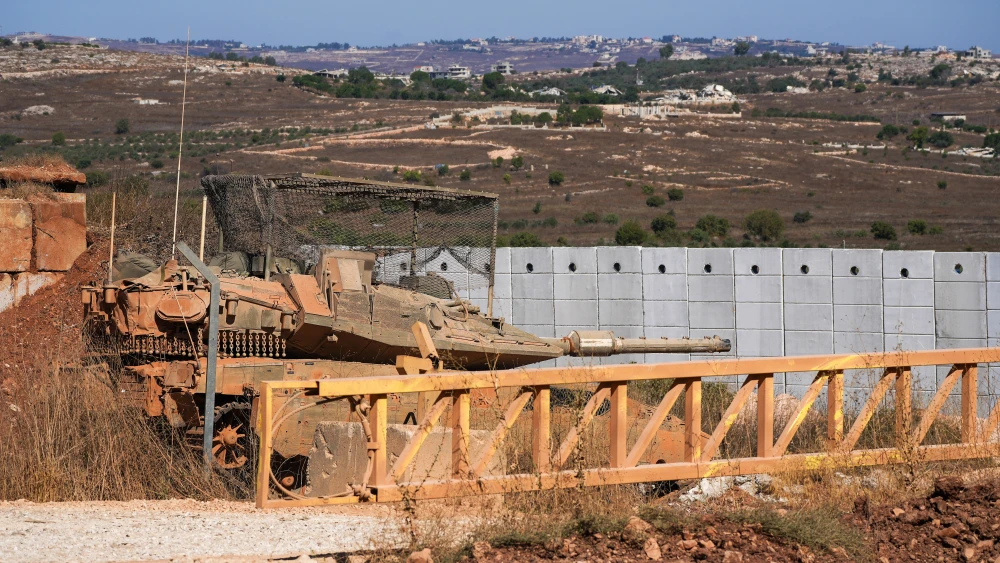
The IDF struck a Hezbollah weapons depot in southern Lebanon, where weapons intended for attacks on Israeli soldiers in the security zone were stored – just days after an explosive device injured two IDF soldiers.
The “Pager Operation” proved that Israel is a regional power to be reckoned with.
It’s possible that cooperation against Hezbollah will not have to wait for peace.
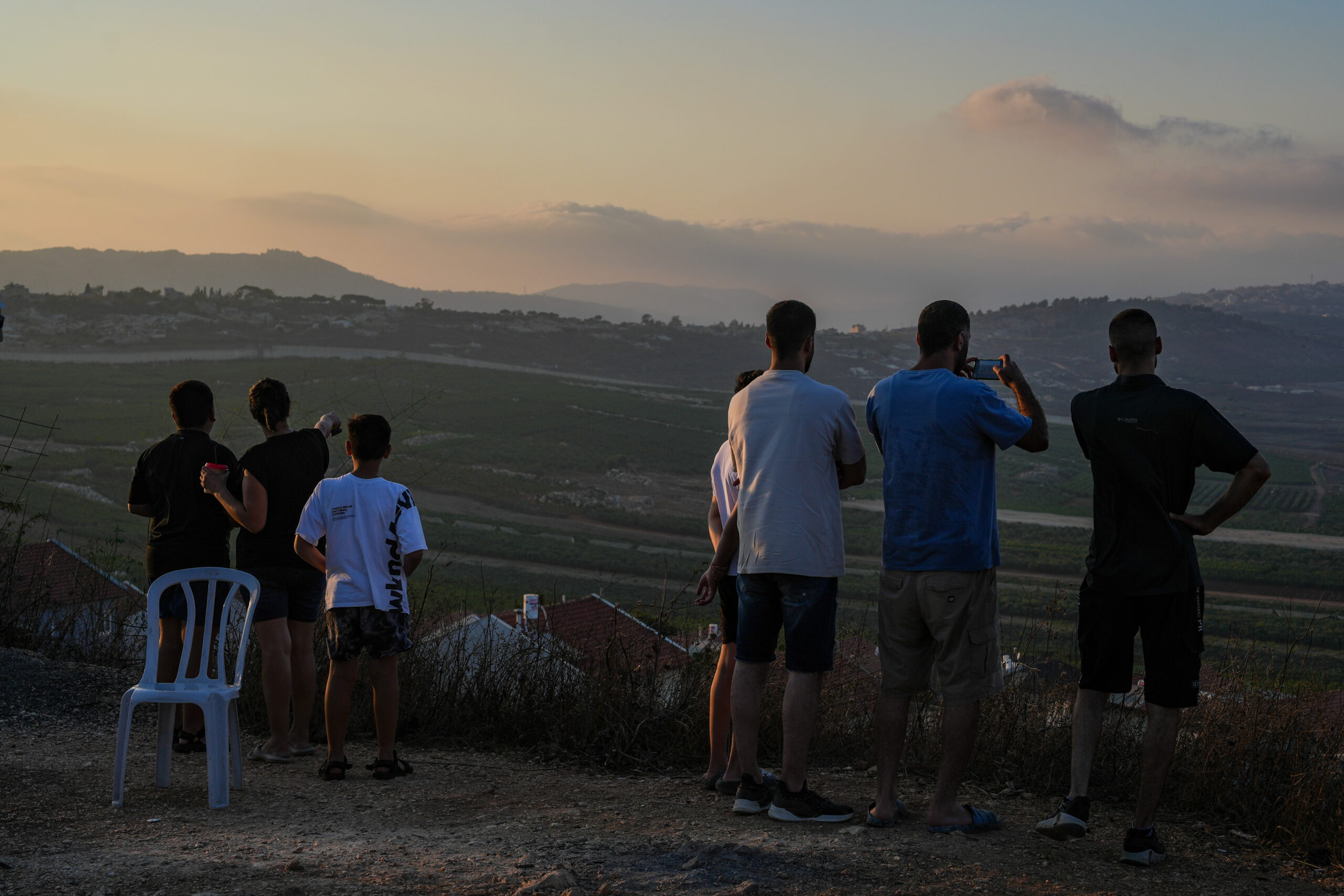
Twenty years in the making, financed by Iran, described by Hezbollah as impregnable – the Ali Taher Ridge in southern Lebanon is now history. The IDF demolished the 5.4-kilometer tunnel system with 1,100 tons of explosives.
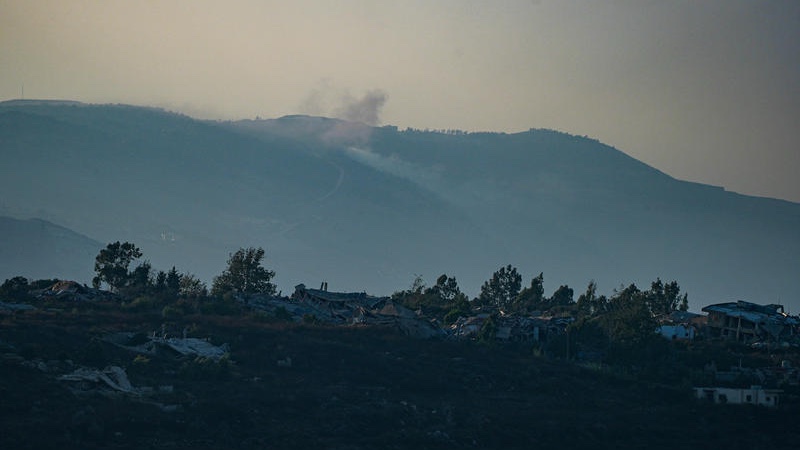
Destruction of the Badr Unit’s underground command network gives Israel a “physical, not just diplomatic” card to hold in any negotiation, former IDF officer tells JNS.
The army says it cleared two Hezbollah tunnel routes beneath the Ali al-Taher Ridge, an Iranian-planned complex that had supported attacks on Israel and IDF forces.
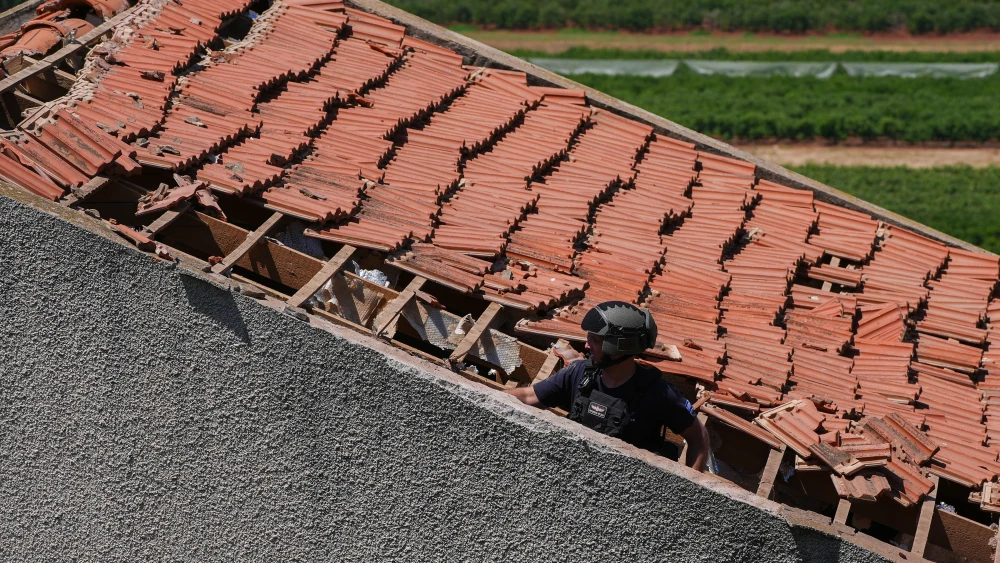
Diplomatic restraint is narrowing Israel’s freedom of action before its enemies have been disarmed.
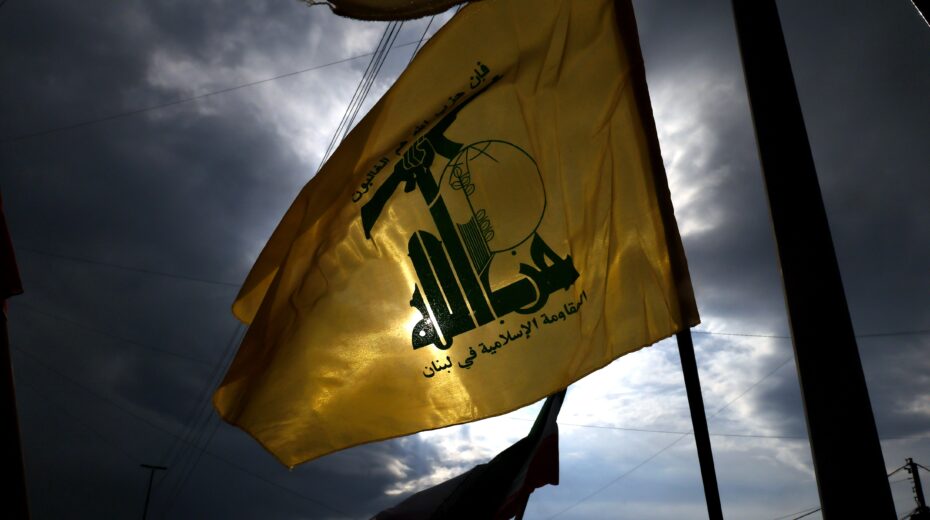
Iran’s supreme leader says there will be no deal with Washington unless Tehran’s proxy in Lebanon is protected from Israel.

The US president pledged to support Lebanon’s efforts to restore stability and expressed hope that the country will eventually join the Abraham Accords.