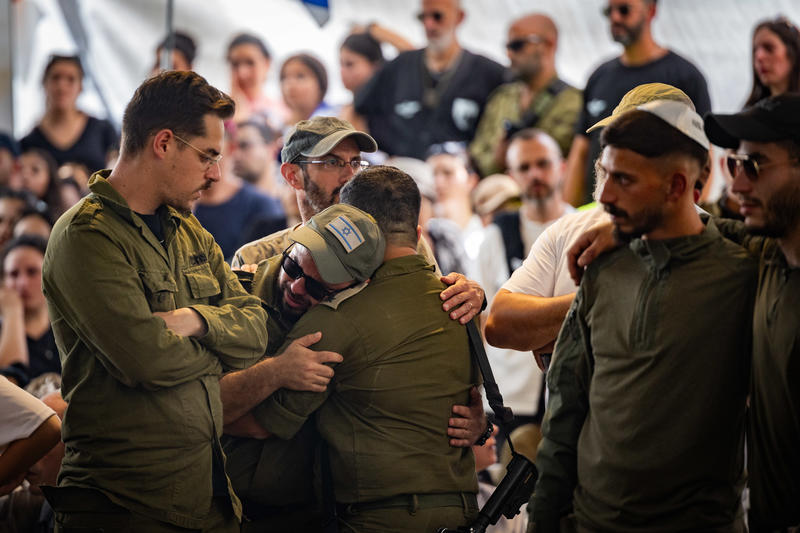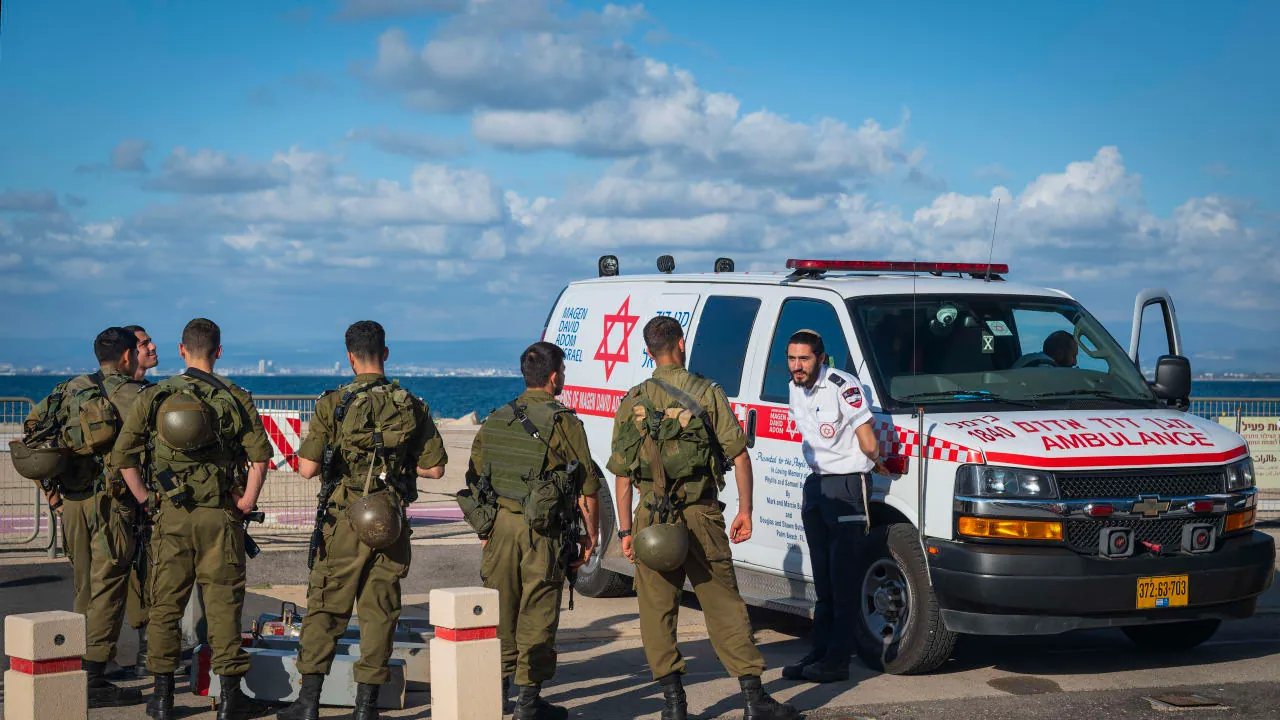

Around seven in ten Israeli soldiers who were wounded during the past three years of war have since returned to military service. This emerges from new figures released by the Israeli military (IDF) on the occasion of a nationwide week honoring wounded soldiers and terror victims.
The return does not necessarily mean that all those affected are participating in combat missions again. The military does not distinguish in its statistics between soldiers who return to the front and those who take on other duties following their recovery.
According to the Ministry of Defense, approximately 31,000 wounded individuals are currently registered with its rehabilitation department. The figure includes people with physical and psychological injuries. It illustrates the long-term consequences the war has had for the Israeli armed forces and the families affected.
Thousands of soldiers require psychological support
In addition to physical injuries, the military is increasingly dealing with the psychological consequences of combat.
Since the beginning of the war, around 5,800 requests have been received by specialized support units from soldiers who needed help due to traumatic combat experiences. The facilities offer psychological counseling, assessments, and treatment.
Common complaints include anxiety, sleep disorders, distressing memories, and symptoms of post-traumatic stress disorder (PTSD).
Treatment is also available to former soldiers and reservists who have not yet been officially recognized as war-disabled veterans. It is free of charge.
Furthermore, according to the military, more than 9,800 group discussion sessions have taken place, in which soldiers were able to process their experiences together with their commanders and psychological professionals.
Support is not intended to end when military service concludes. Reservists in particular, who return to civilian life after lengthy deployments, are set to receive additional support in the future.
To this end, a dedicated center for reservists has been established at the Kfar Maccabiah complex in Ramat Gan. Among other things, the center will offer counseling services, group discussion sessions, and events.
New support services for the wounded
The military has also established several programs to make it easier for injured soldiers to access government support.
In this year alone, twelve special advisory days took place, at which representatives of the military and various ministries jointly provided information on financial entitlements, tax benefits, transportation options, driver’s licenses, and medical services.
Such offerings are intended to prevent wounded soldiers from being passed between different authorities after their discharge from military service.
Another project bears the name “A Hug from Home.” As part of this initiative, military commanders and representatives of local authorities visit wounded soldiers in their home communities.
Group discussion sessions, public events, and personal meetings are planned. The soldiers are not only to be recognized for their service, but also to receive information about the support available to them.
The initiative is carried out jointly by the military’s personnel department, the Defense Ministry’s rehabilitation department, and the organization of Israeli disabled war veterans.
Criticism of the care provided to psychologically affected soldiers
Despite the new programs, there is also criticism of the military’s approach to caring for wounded soldiers.
Experts and those affected doubt whether the military environment always provides sufficient space for a complete psychological recovery. Particularly in the case of soldiers with post-traumatic stress disorders, the question is being raised as to whether some are returning to service too soon.
Critics also point out that many support services are primarily aimed at soldiers from combat units. However, members of other military units can also experience severely distressing events during their service.
The military stated that it would continue to expand its support services and accompany wounded soldiers throughout the entire rehabilitation process.
Israel honors its wounded veterans
The release of the figures coincides with a special week of remembrance and recognition. The Knesset had previously decided to designate the 17th of Kislev in the Jewish calendar as a national day for honoring war-disabled veterans and terror victims. This year, the day falls on November 27.
Official ceremonies, a special debate in the Knesset, and events organized by the Ministry of Defense and the National Insurance Institute Bituach Leumi are planned. Schools are also expected to engage with the experiences of wounded soldiers and terror victims.
Former Knesset member Michael Biton, who had played a key role in advancing the bill, described the recognition of the wounded as a fundamental obligation of the state.
“This is Zionism. It is the least we can do for the more than 100,000 wounded members of the Israeli military,” Biton stated when the law was passed.
The military’s statement explicitly honored both physically and psychologically wounded soldiers.
“We have a duty to honor those who have made sacrifices for the most important mission of all – the defense of the state,” the statement read.
At the same time, the military assured that it would continue its cooperation with the Ministry of Defense and the organizations of disabled war veterans in order to ensure the long-term care of those affected.
Want more news from Israel?
Click Here to sign up for our FREE daily email updates