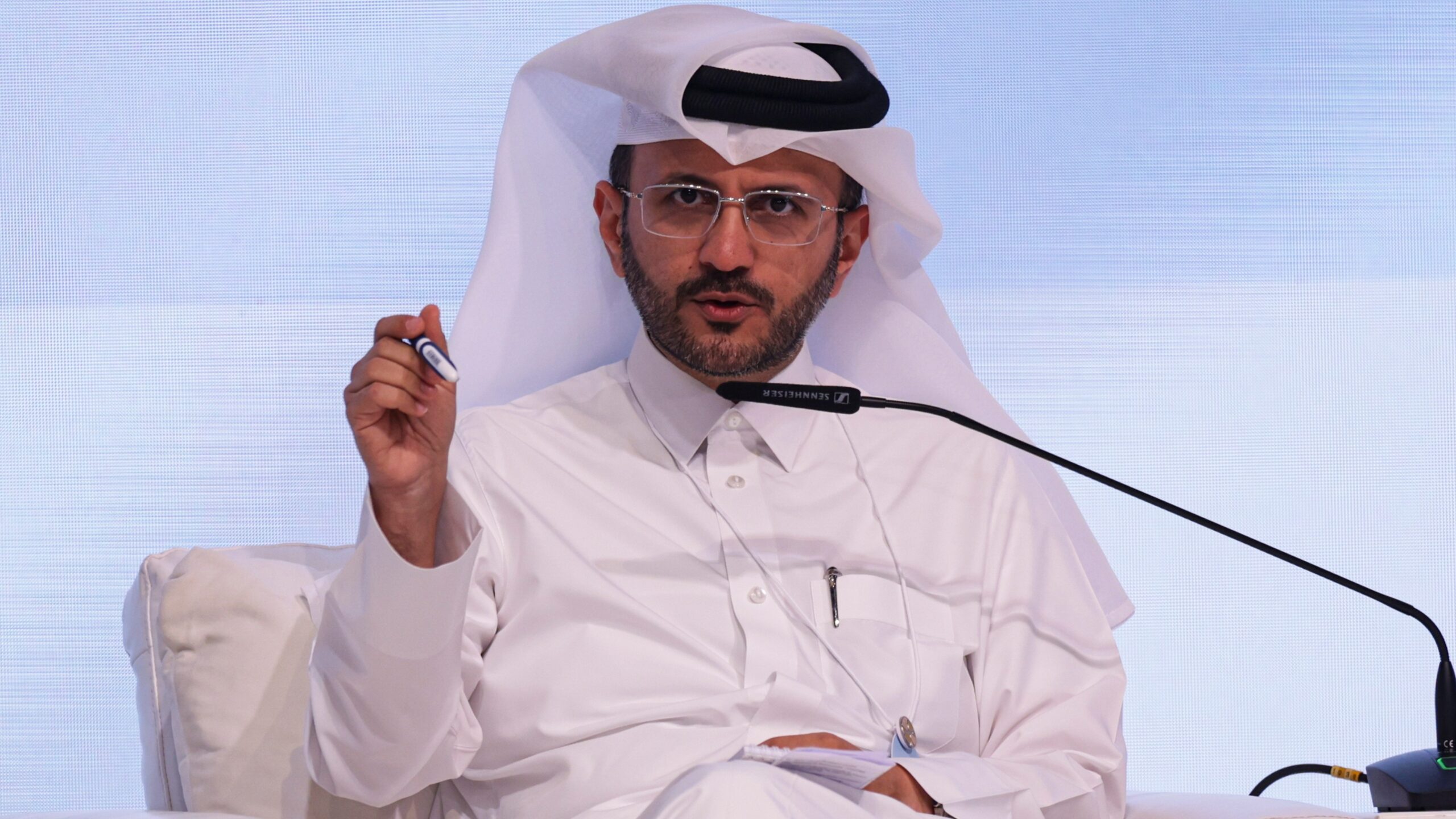

Qatar has rejected allegations of interfering in Tuesday’s Israeli parliamentary election and financing activities aimed at influencing the election outcome. The spokesman for the Qatari Foreign Ministry, Majed Al Ansari, described the accusations on Thursday as “ridiculous and dangerous” and accused Israeli politicians of dragging the emirate into domestic political disputes.
In a statement on the platform X, Al Ansari declared that Qatar had neither interfered in the Israeli elections nor financed activities intended to influence their outcome. Certain Israeli politicians and their media contacts had launched yet another disinformation campaign against Doha.
Al Ansari referred to previous accusations against the emirate. Qatar has been accused of buying off Prime Minister Benjamin Netanyahu, the Israeli left, and now Arab voters as well. If one were to believe all these claims, Qatar would apparently own all of Israel, the spokesman stated.
The emirate must not be made a scapegoat for the political failures of Israeli politicians. At the same time, Al Ansari called on the future Israeli government to respect international law and relevant UN resolutions, and to recognize the right of Palestinians to an independent state based on the 1967 borders with East Jerusalem as its capital. Qatar will continue its role as a mediator and its diplomatic efforts in the region.
We categorically deny allegations that Qatar has interfered in Israeli elections or funded any activities intended to influence their outcome. We reject the accusations made by certain Israeli politicians and their contacts in the media, who have launched yet another disinformation campaign aiming to drag Qatar into Israeli political disputes following this week’s elections. They accuse Qatar of buying off Benjamin Netanyahu, the Israeli political left and now, in this latest campaign, the Arab vote. If these claims were to be believed, Qatar would apparently own all of Israel.
These accusations are ridiculous and dangerous in equal measure. The repeated invocation of Qatar in Israeli electoral rhetoric reveals an excessive obsession with our country among certain Israeli political and media figures. Qatar should not be used as a scapegoat for the political failures of certain Israeli politicians. Rather than trying to shift attention onto Qatar, they would be better off focusing on their own voters, improving people’s everyday lives, and undoing the damage they’ve created in the region.
We reiterate that we have no involvement in Israel’s political or electoral competition. These are internal Israeli matters in which we do not interfere, and we will not accept any attempt to draw Qatar into its domestic political disputes. Any government emerging from these elections must uphold international law and relevant United Nations resolutions, engage seriously and honestly on the Palestinian issue, and respect the inalienable rights of the Palestinian people, foremost among them their right to self-determination and an independent state on the 1967 borders, with East Jerusalem as its capital. This requires responsibility and accountability.
None of this will distract us from our important role as a mediator, our diplomatic and humanitarian efforts, our support for the Palestinian people, or our commitment to a just and comprehensive peace and regional stability. We will continue working closely with our regional and international partners to resolve ongoing conflicts through diplomacy. We will not remain silent while Qatar’s name is exploited to serve electoral agendas or narrow political interests.
— د. ماجد محمد الأنصاري Dr. Majed Al Ansari (@majedalansari) October 29, 2026
Shin Bet investigates suspicion of foreign interference
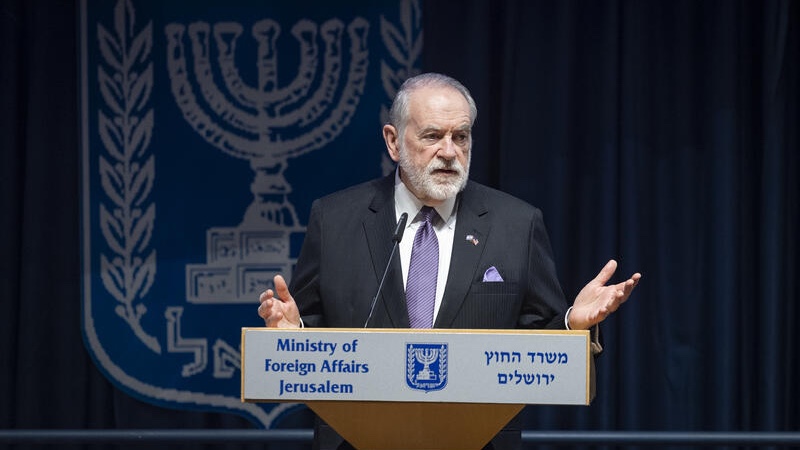
The backdrop to the statement is an investigation into possible foreign interference in the elections for the 26th Knesset. The chairman of the Central Elections Committee, Deputy President of the Supreme Court Noam Sohlberg, had asked the head of the domestic intelligence agency Shin Bet, David Zini, to investigate corresponding suspicions.
In his letter dated Wednesday, Sohlberg referred to serious indications that foreign actors may have attempted to unlawfully influence the electoral process through financial means. He stressed, however, that he was unable to assess the validity of the allegations himself.
As Israel Today previously reported, Sohlberg asked the intelligence service to find evidence either confirming or refuting the suspicion. Initial findings are expected to be presented within one week.
No foreign state was explicitly named in the letter.
Reports of possible cash payments from Qatar
According to information from Israeli television channel Channel 12 and the news platform Ynet, suspicion is directed in particular at Qatar. Several million shekels may have flowed from the emirate into Israel in order to increase voter turnout in the Arab sector.
The reports speak of possible money transfers to organizations intended to mobilize Arab voters to cast their ballots. Whether Israeli electoral law was violated in the process is the subject of the investigations.
According to Israeli media, Shin Bet had already received indications of possible irregularities before election day. The investigations are therefore based on the intelligence service’s own findings and not exclusively on complaints from political parties.
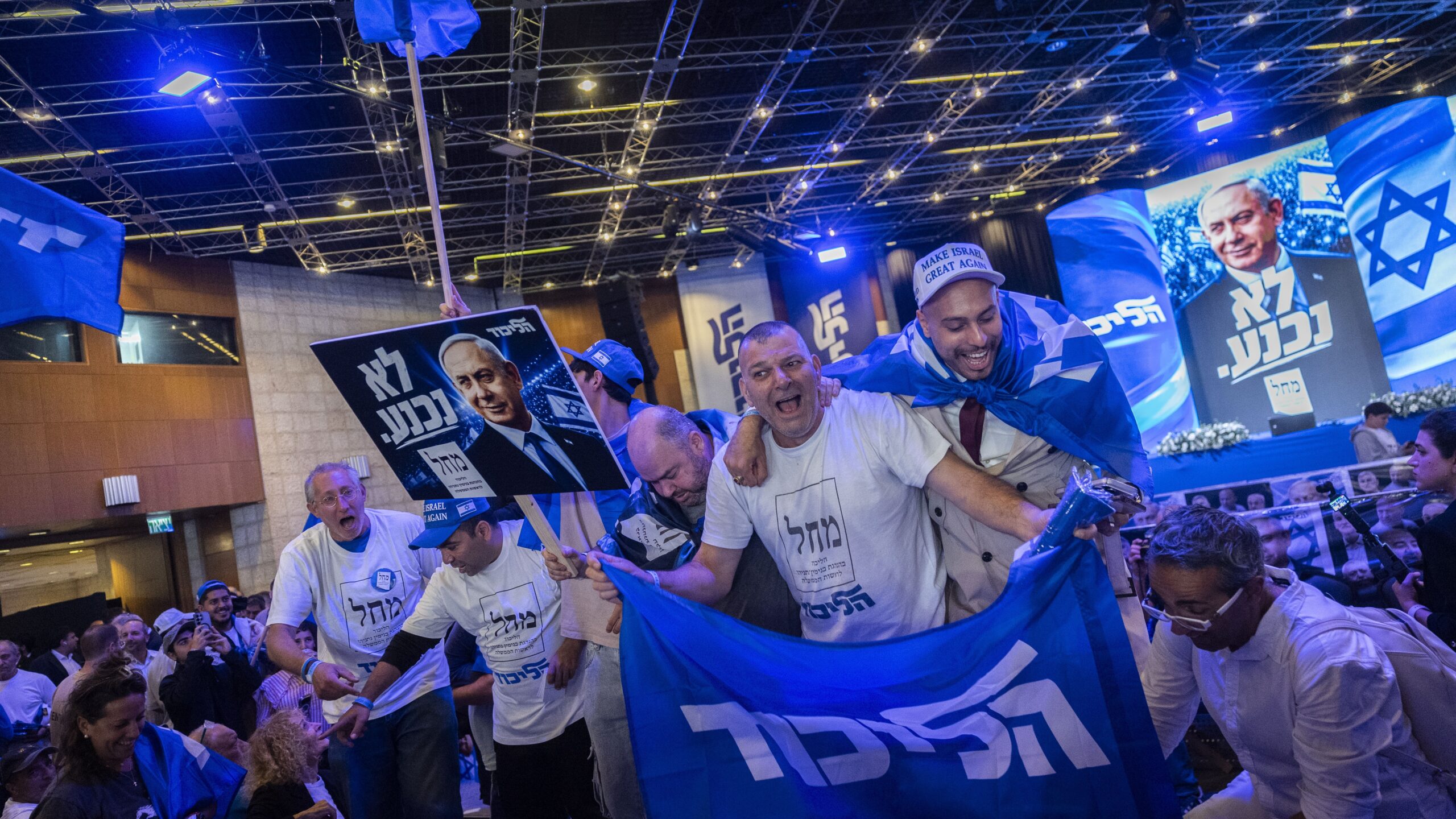
Netanyahu’s Likud party had leveled massive allegations of electoral fraud after the election, claiming that Arab parties had influenced the election result through improper practices. However, no publicly verifiable evidence of systematic electoral fraud has been presented so far.
Arab parties could play a decisive role
The allegations come during a politically tense period following the Knesset election of October 27. According to results reported on Friday, the Netanyahu bloc holds 53 seats, while the opposition camp led by Gadi Eisenkot reaches 48 seats. The Arab parties together win 19 seats. Voter turnout stands at 77.9 percent.
This means that neither of the two major political blocs has the 61 seats required for a governing majority. The high voter turnout in the Arab sector and the success of the Arab parties have significantly influenced the balance of political power. The final confirmation of the election results is scheduled for November 4.
Whether foreign funds were actually used to unlawfully influence the election will need to be clarified by further Shin Bet investigations. The Central Elections Committee has since explicitly stated that the investigation will have no impact on the final election results. Furthermore, the investigations are not directed against any specific population group. The official election results are to be presented to President Isaac Herzog as planned on November 4.
Want more news from Israel?
Click Here to sign up for our FREE daily email updates