This week is Pentecost/Shavuot/The Feast of Weeks.
Author - Anat Schneider
“I was born in Jerusalem in 1966 and grew up in a traditional Jewish home. I first met my husband Aviel, Editor-in-Chief of Israel Today, when we were both 16-years-old on Jaffa Street in downtown Jerusalem. We have raised three boys and a girl.”
“We live on a Moshav, a collective farming community, located in the magical Judean Mountains. My love for and faith in the Bible is an integral part of who I am and how I live my life. And I live with great appreciation and joy for all that life has given me.”
Together with Aviel, Anat has been a part of Israel Today since 1990. In addition to her many other duties, she writes a regularly on the Bible, faith and the God of Israel.
More articles from Anat Schneider
Thoughts for Shabbat
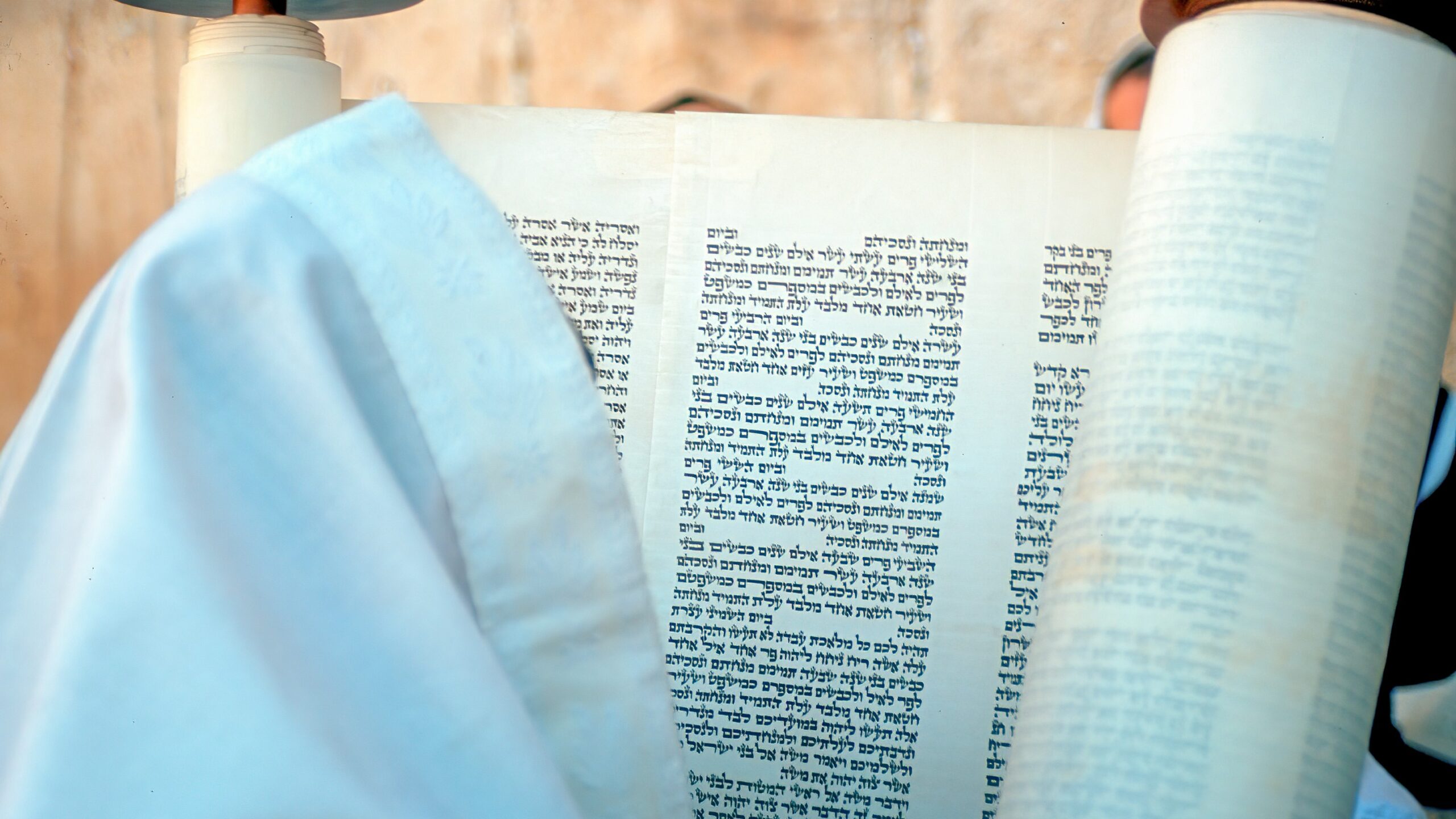
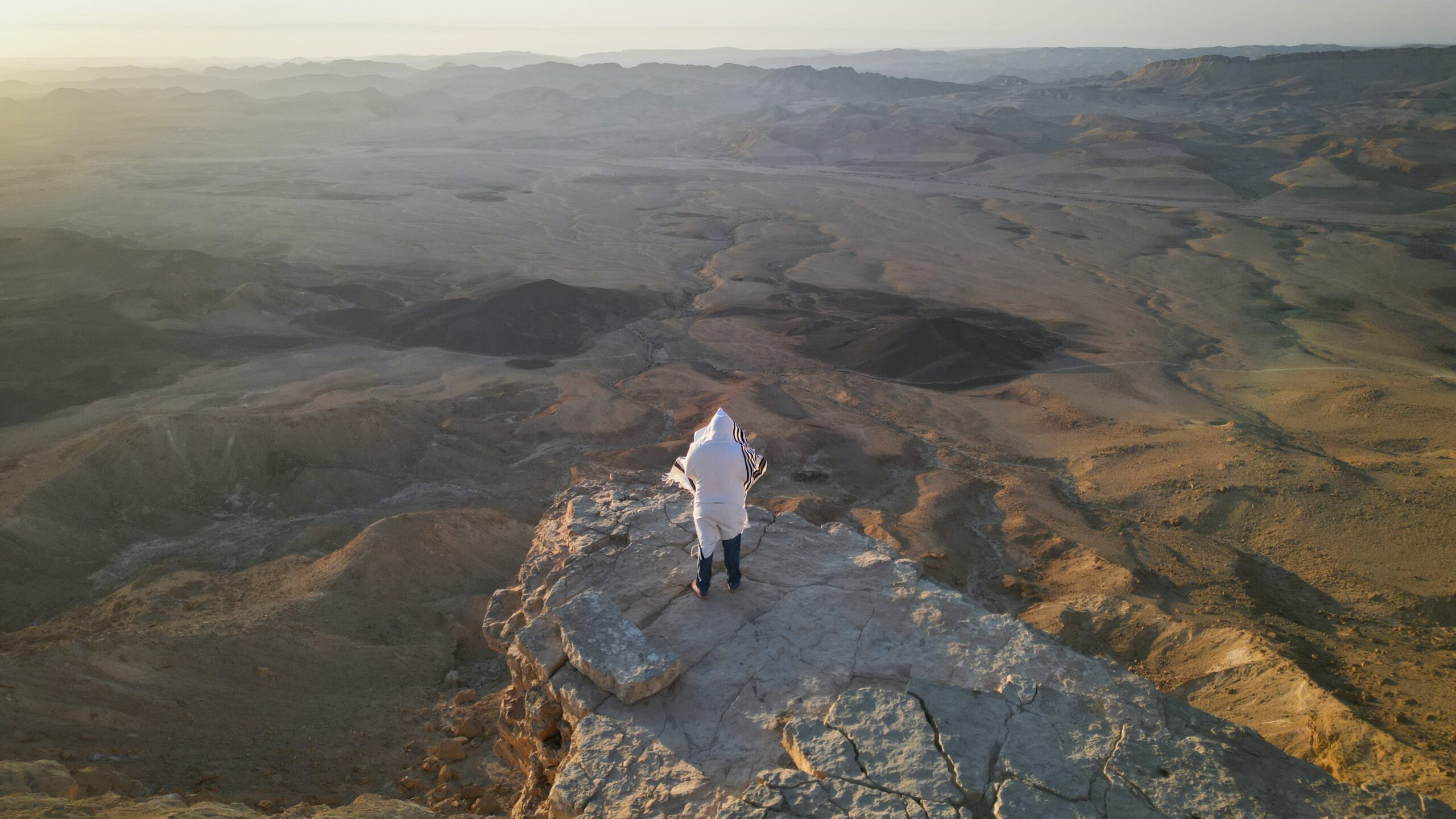
Bamidbar, which means “in the wilderness,” is a portion that is always read in the days before the festival of Shavuot, before the giving of the Torah.
Thoughts for Shabbat
Who does this land really belong to? Is ownership a matter of power, history and defense — or only a temporary trust?
There are stories I heard as a child that touched my heart and remained there for a lifetime. The story of the hero Samson is one of them — a story of strength and love, of loneliness and mission.
Thoughts for Shabbat
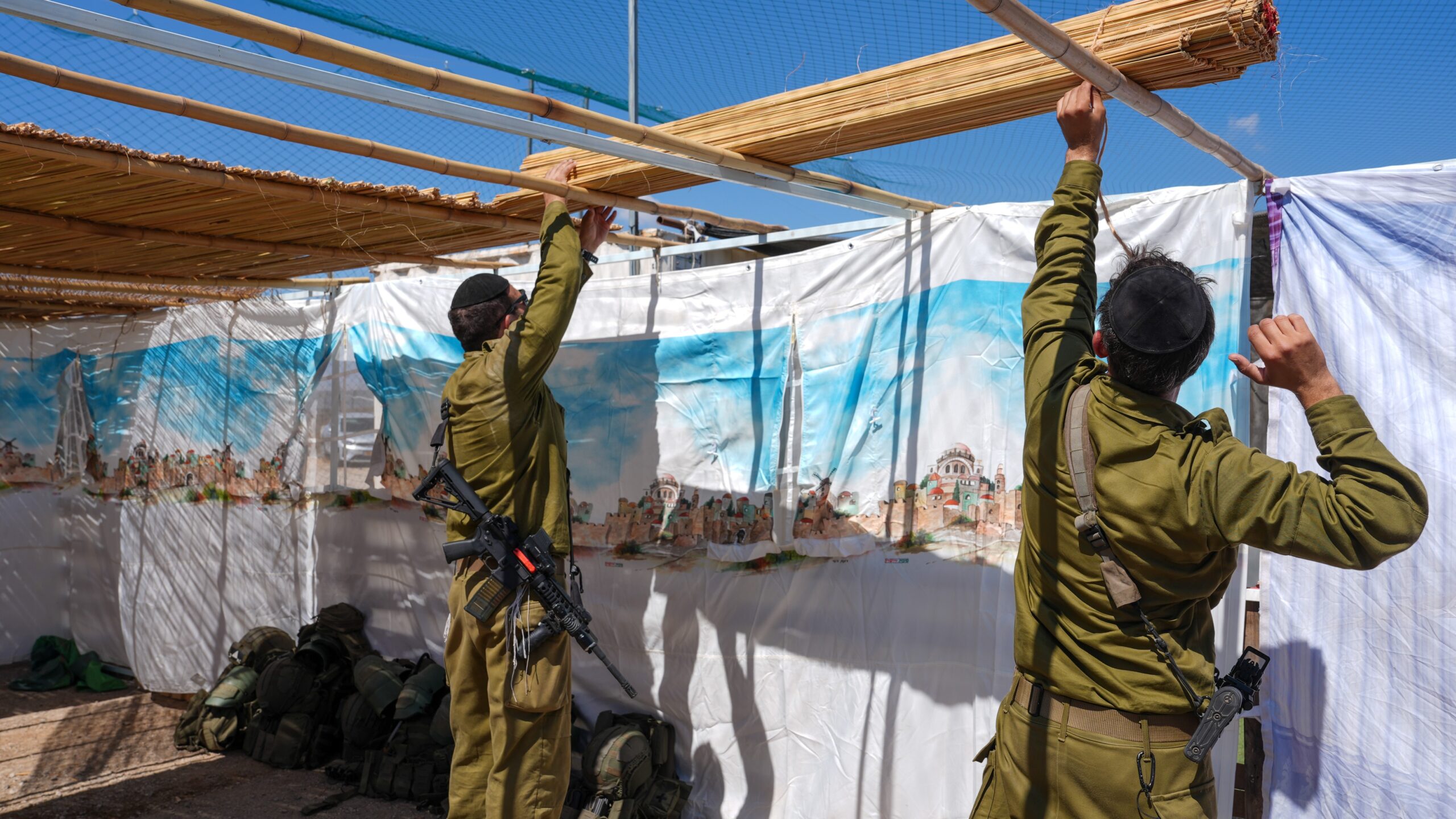
At first glance, the Torah portion deals with laws: the laws of the priests, the laws of the offerings, and ultimately also the listing of Israel’s appointed festivals.
There are moments in history when it seems as if the world has reached its limits. Society is shaken. The old structures no longer function.
Thoughts for Shabbat
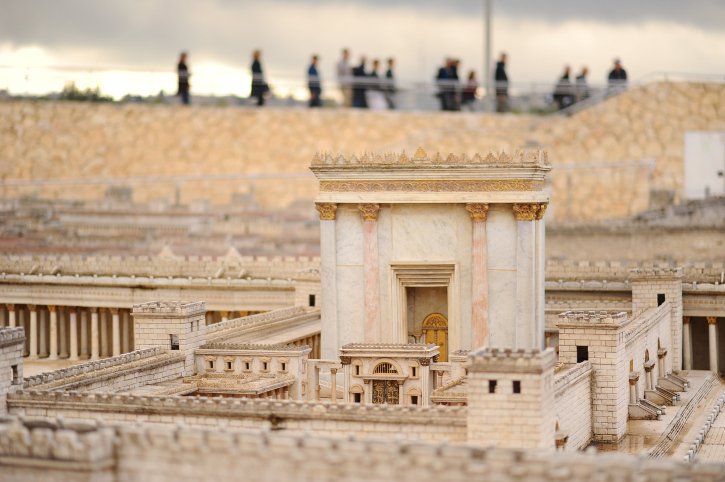
The word holiness often sounds far removed from life, because it is associated with the Temple and with rituals, with special moments or extraordinary people.
What is Independence?
It sounds obvious. It isn’t always.
Between memory and independence
The soul’s ability to hold pain and life together.
Thoughts for Shabbat
What do we do when life suddenly forces us to come to a standstill? Why do we so often experience pausing as a punishment rather than as a protected space?