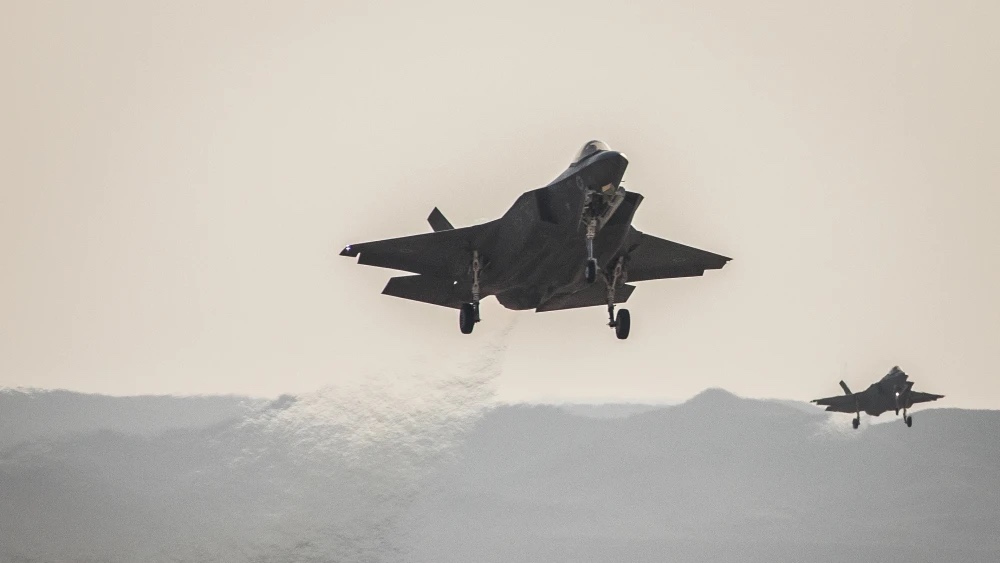

Israel has struck Iran’s largest petrochemical facility in Asaluyeh, according to Defense Minister Israel Katz on Monday, marking the latest in a series of attacks targeting infrastructure tied to Tehran’s military industry.
Katz said the operation followed an earlier strike last week on another major petrochemical site, leaving Iran’s two principal facilities offline. Together, he said, the two plants account for roughly 85% of the country’s petrochemical exports.
In a public statement, Katz described the attack on Asaluyeh as a direct hit on a strategic economic asset, saying the facility is responsible for about half of Iran’s petrochemical production. He said the combined effect of the two strikes amounts to economic damage worth tens of billions of dollars.
🎯🧪STRUCK: A key petrochemical compound in Shiraz.
The facility was one of the last remaining compounds producing critical chemical components for explosives and materials for developing ballistic missiles in Iran.
Simultaneously, the IDF struck a large ballistic missile array… pic.twitter.com/bU61LNOTqd
— Israel Defense Forces (@IDF) April 7, 2026
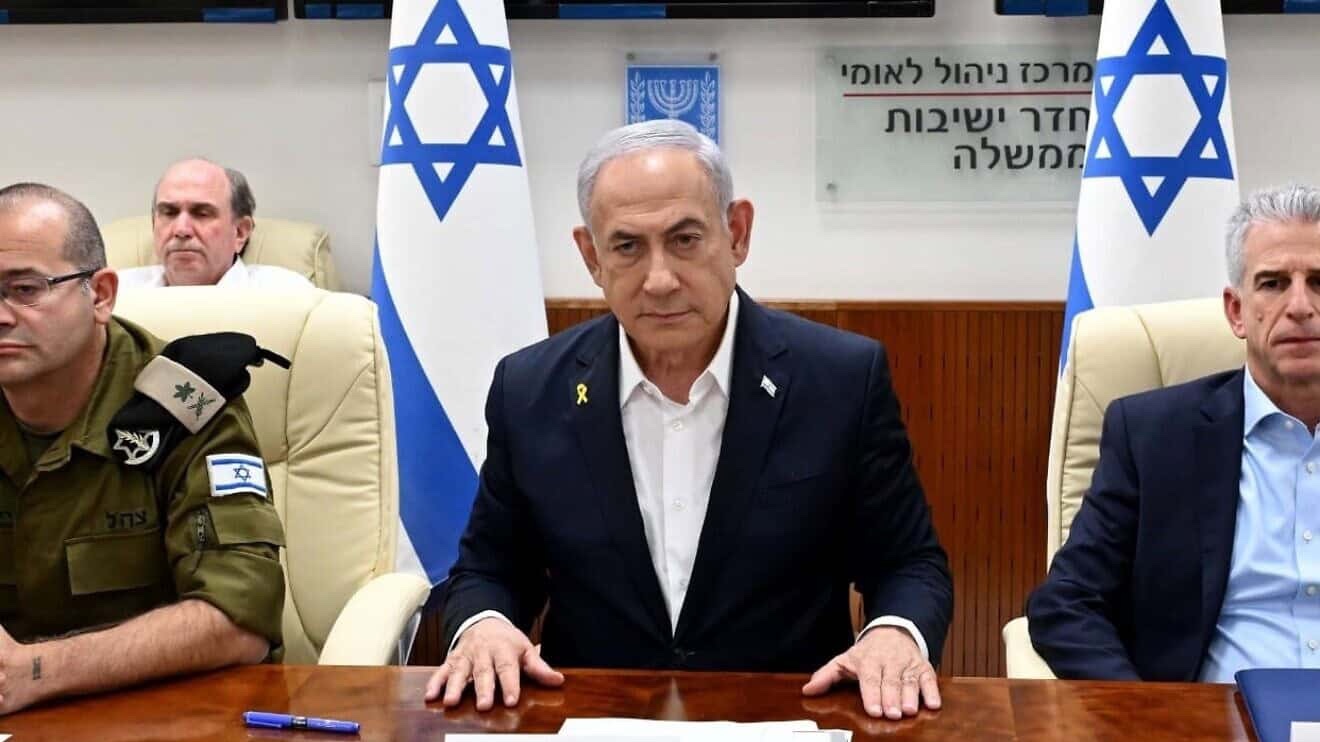
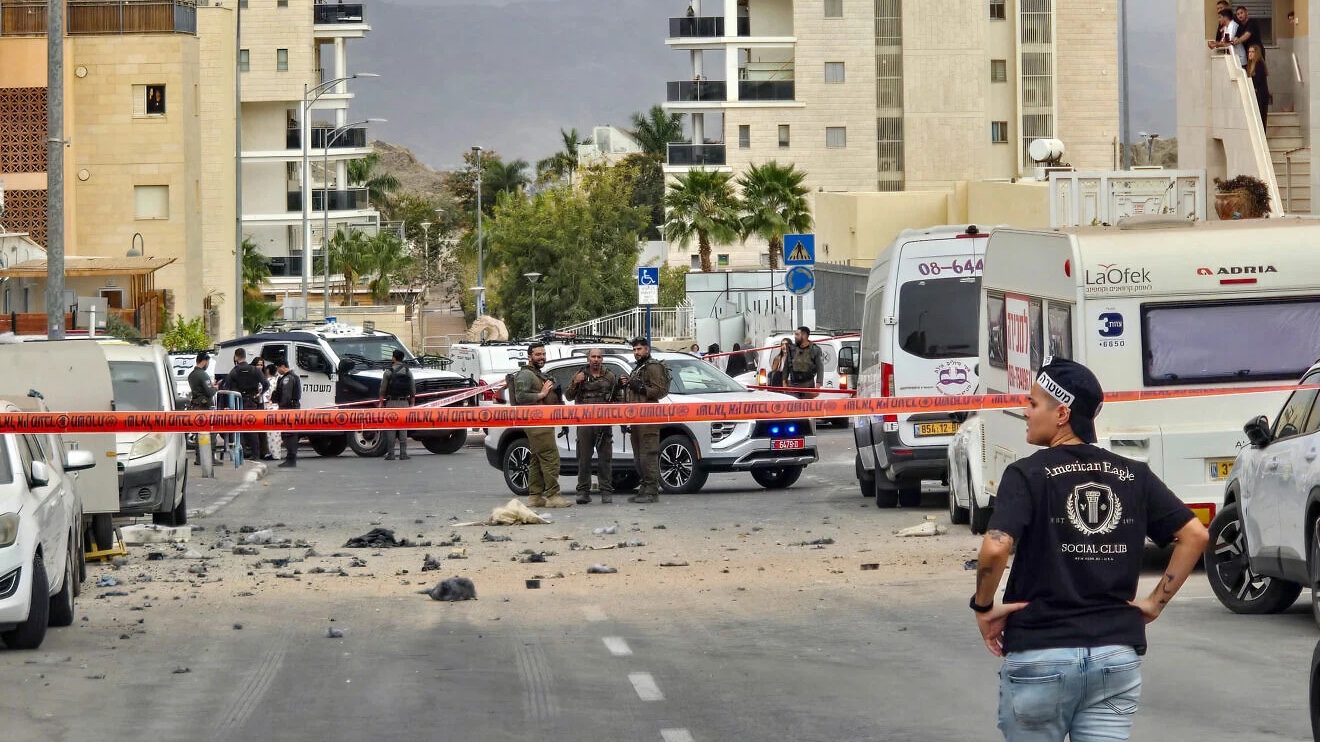
The Israeli defense minister added that he and Prime Minister Benjamin Netanyahu had instructed the military to continue targeting what he called the national infrastructure of the Iranian regime, warning that continued attacks on Israeli civilians would bring further economic and strategic costs.
The latest strike comes after Israeli warplanes reportedly hit a petrochemical complex on Saturday in Mahshahr, in Iran’s Khuzestan Province. Israeli military officials said that site played a key role in producing and exporting chemical materials used by Iran’s armed forces, including components linked to ballistic missile manufacturing.
According to the military, one of the targets in Mahshahr housed one of Iran’s two main facilities for producing materials used in explosives, missiles, and other weapons systems.
Katz said after a security assessment on Sunday that Iran’s petrochemical sector had generated about $18 billion over the past two years for the Islamic Revolutionary Guard Corps, money he said was directly connected to the regime’s ballistic missile program.
He also warned that as long as missile fire on Israeli population centers continues, Israel will intensify pressure on Iranian infrastructure.
Want more news from Israel?
Click Here to sign up for our FREE daily email updates