
An Israeli government decision is currently drawing international attention: In the future, foreign NGOs will be allowed to continue operating in Israel and the Palestinian territories only if they meet stricter security and transparency requirements. Organizations that fail to comply with these requirements or are found to employ staff with problematic backgrounds will lose their operating licenses.
Israeli authorities stress that the move is not intended to restrict humanitarian aid, but to prevent its misuse.
Security Screenings and New Requirements
The decision was triggered by comprehensive security reviews of international NGOs operating in Israel, the Gaza Strip, and the so-called West Bank. According to Israeli authorities, these reviews identified cases in which local employees had connections to groups designated as terrorist organizations.
As early as last spring, Israel introduced new guidelines for the registration of international NGOs. These require organizations to provide detailed information about their funding, internal structures, and all employees. This includes personal identification data for local staff, who are subject to security vetting.
Organizations that fail to submit this information in full or on time will not receive a new license. In such cases, existing permits will expire and will not be renewed. According to Israeli sources, this affects several dozen NGOs whose licenses are set to expire in early 2026.
The government emphasizes that the measure is security-related. “Humanitarian aid must not serve as a cover for terror financing or terrorist infrastructure,” government officials said. Israel has a duty to ensure that international organizations do not—knowingly or unknowingly—support terrorist groups.
International Criticism and Israel’s Response
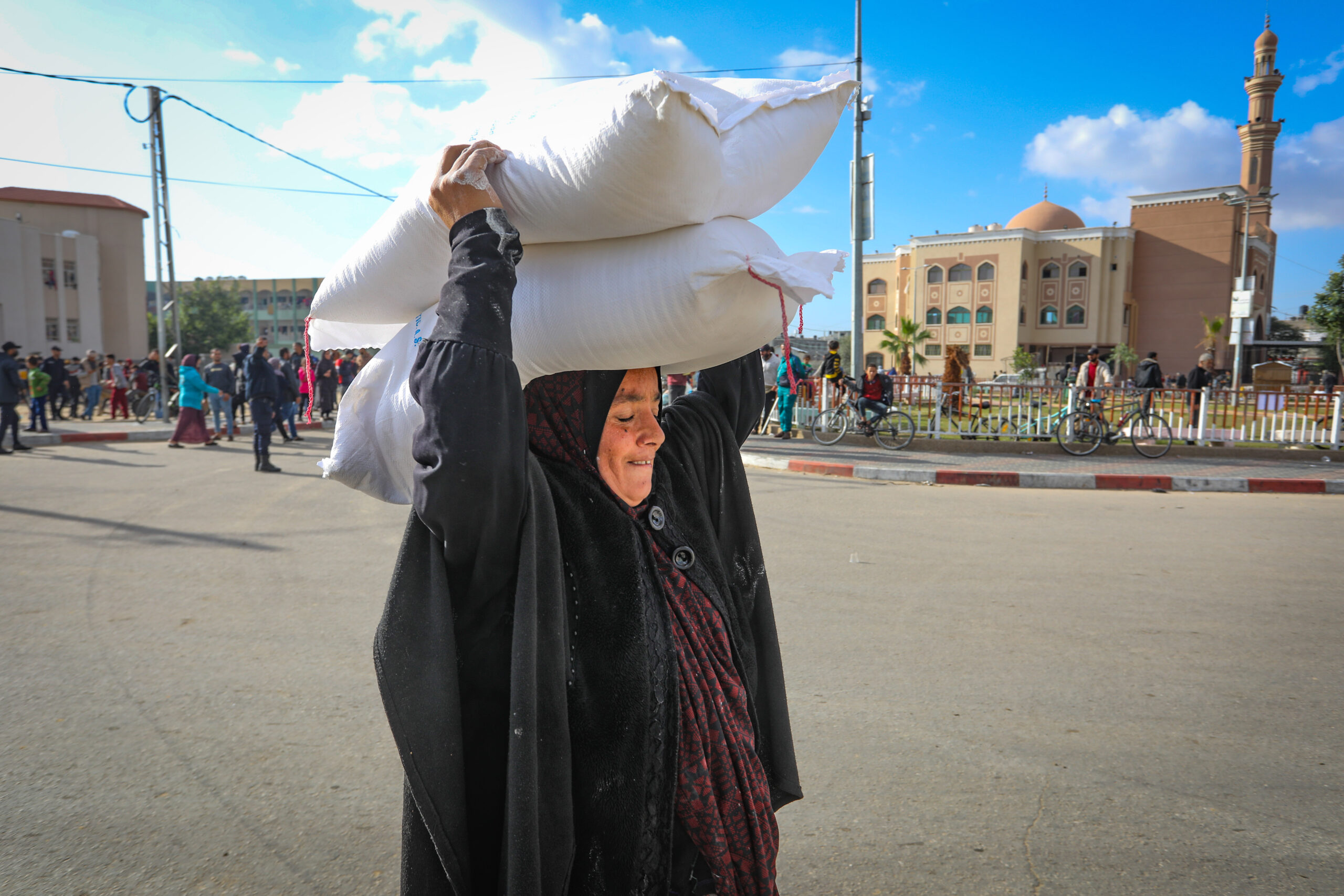
Several affected organizations have rejected the allegations. They say they were unaware of any alleged terrorist ties among individual employees or deny such claims outright. At the same time, they warn of severe consequences for humanitarian assistance, particularly in the Gaza Strip.
Criticism has also come from Western countries. Diplomats expressed concern that the new requirements could significantly hamper the work of international aid organizations. In particular, the demand for extensive disclosure of employees’ personal data is seen as problematic and could endanger local staff.
Israel rejects these accusations. Government representatives stress that legitimate humanitarian aid will continue to be possible. Organizations that operate transparently and pose no security concerns have nothing to fear. Moreover, aid is not limited to individual NGOs. Israel works with numerous international partners to ensure the supply of assistance to the civilian population.
The move is part of a series of measures Israel has taken since the Hamas massacre of October 7 to intensify efforts against terror financing and support networks. Increasingly, international organizations are also coming under scrutiny when security agencies identify indications of problematic personnel links.
How many NGOs will ultimately be forced to halt their activities and what the long-term impact will be remains to be seen. What is clear, however, is that Israel is drawing a firm line: humanitarian work is welcome—any form of proximity to terror is not.