The IDF also will speed up the destruction of southern Lebanese homes exploited by the terror group.
The IDF also will speed up the destruction of southern Lebanese homes exploited by the terror group.
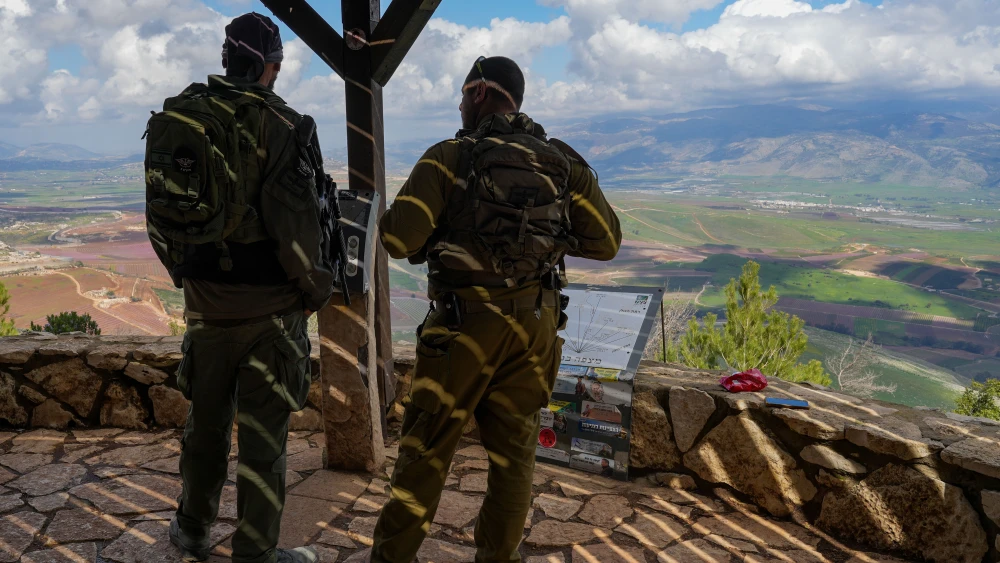
Israel ramps up ground maneuvers and mass evacuations in Southern Lebanon as it moves to dismantle Hezbollah’s presence south of the Litani River and impose a new “Yellow Line” security reality.
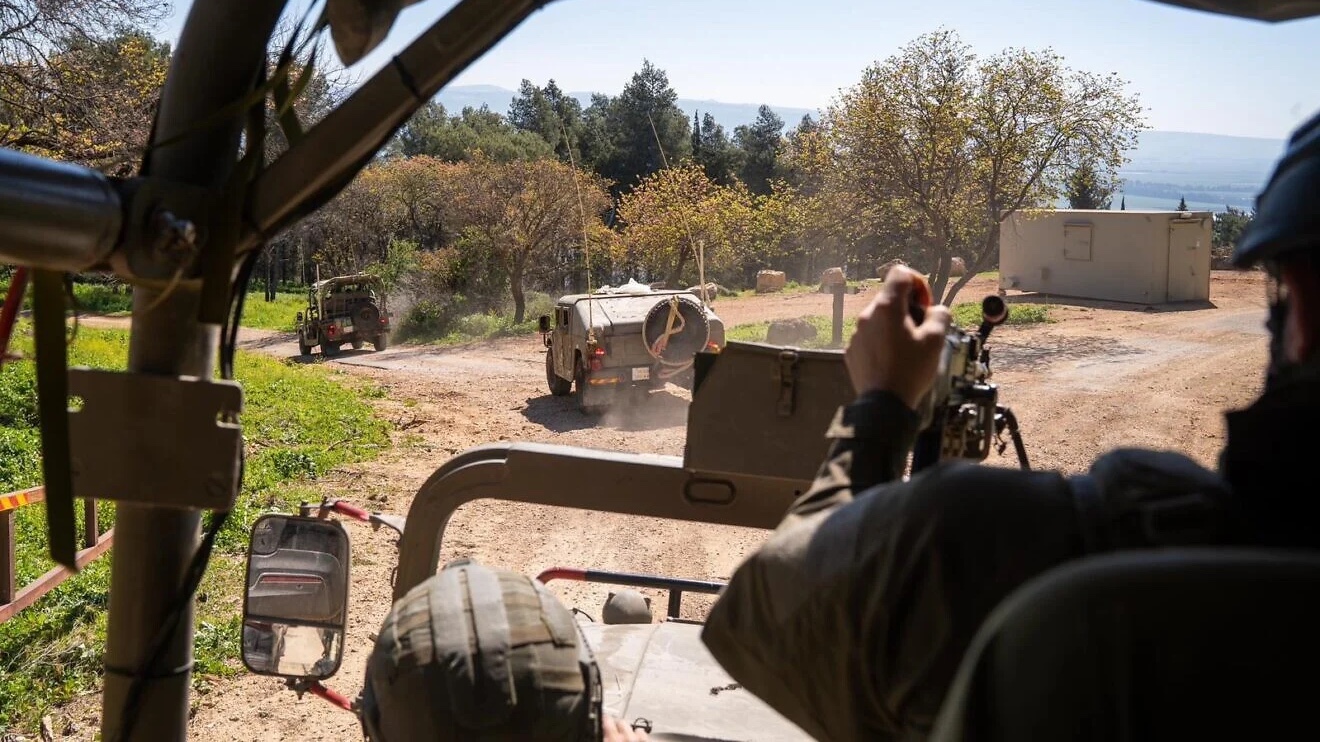
The Israeli military is operating “with determination against the Hezbollah terrorist organization,” it said.
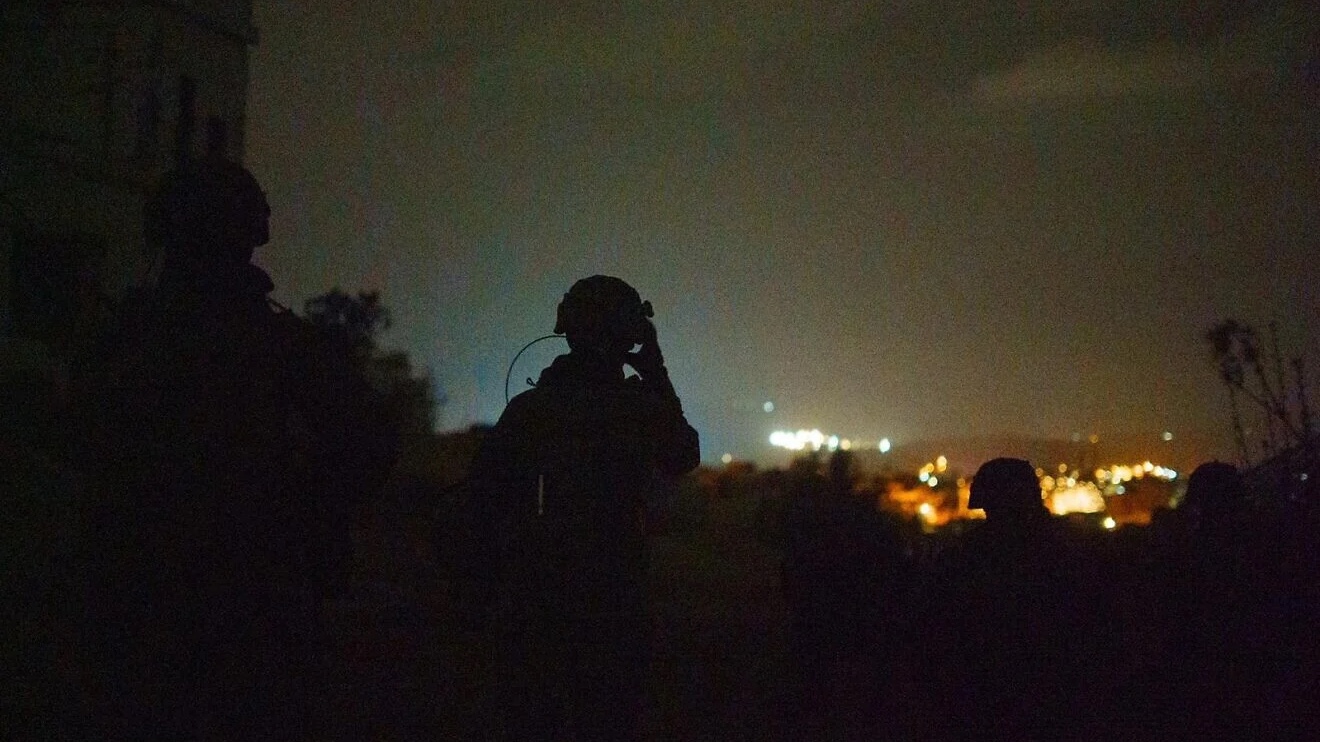
The goal of the IDF ground push into Lebanon is to stop Hezbollah from firing anti-tank missiles, RPGs and rockets at the Jewish state.
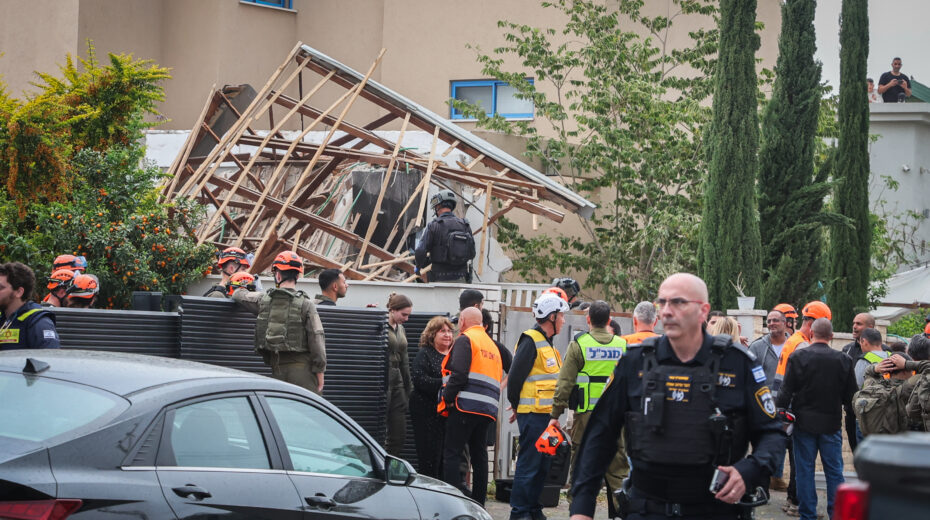
Multiple missile salvos from Iran as well as Hezbollah trigger sirens in Israel. Damage in central Israel, two people injured in the south.

After months of fighting in Gaza, Israeli forces shift north, targeting Hezbollah infrastructure as the IDF prepares for possible broader operations.
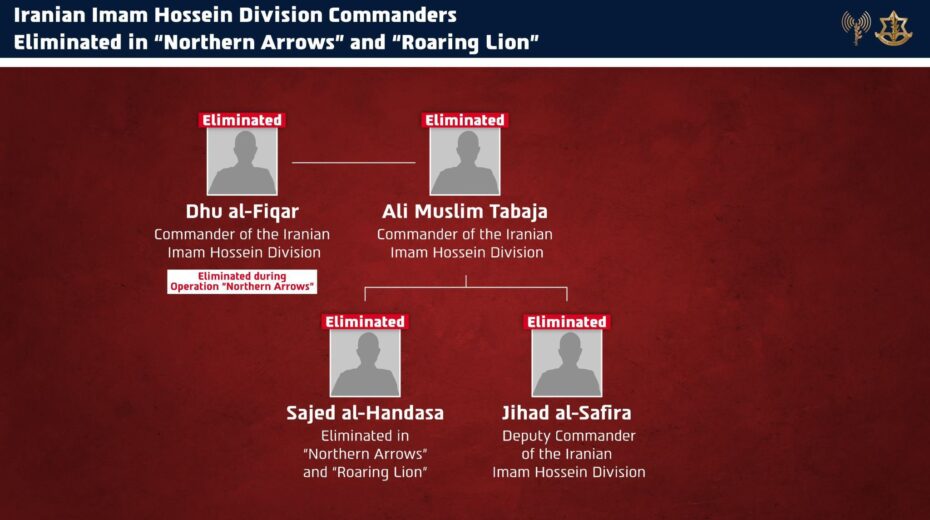
The Israeli Air Force kills a leading commander of an Iran-backed militia along with several high-ranking officials. The strike is part of a series of targeted operations against the Iranian network and its proxies in Lebanon.
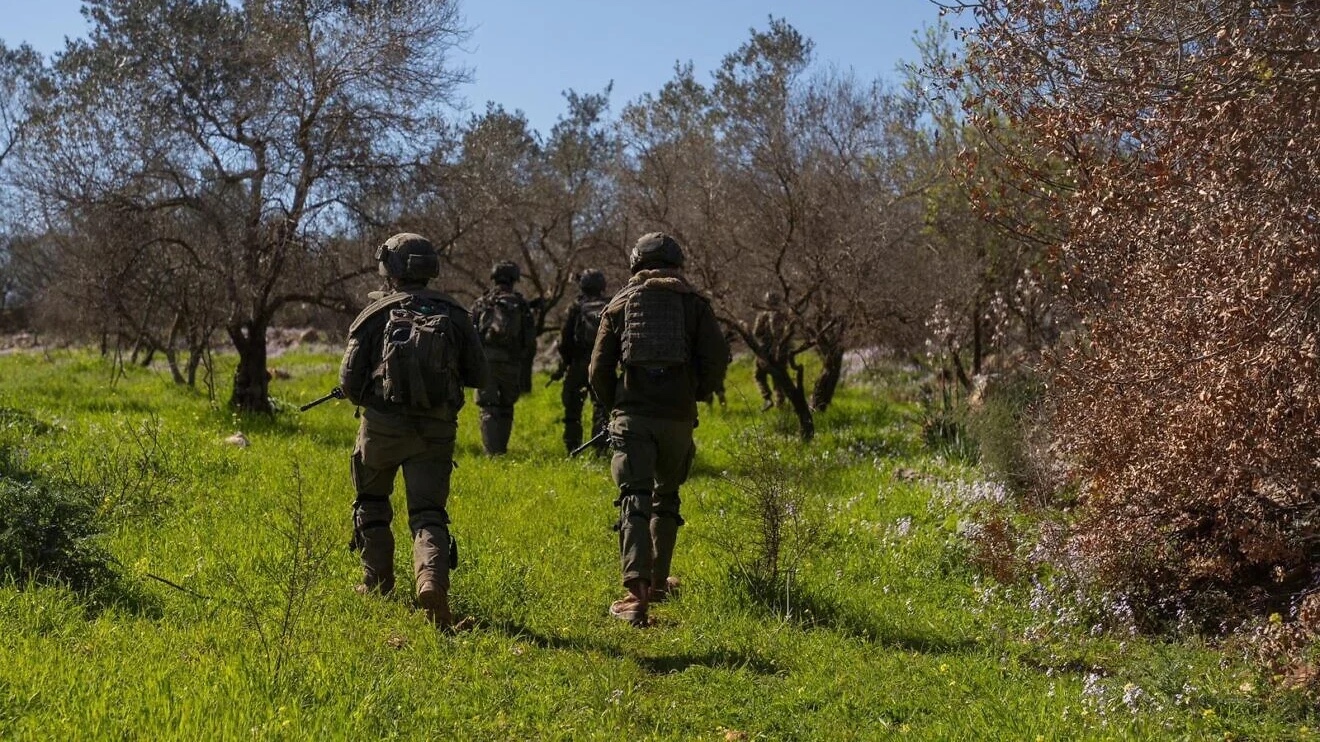
The proposed solution: a broad deployment across the area to prevent Hezbollah from controlling key points.
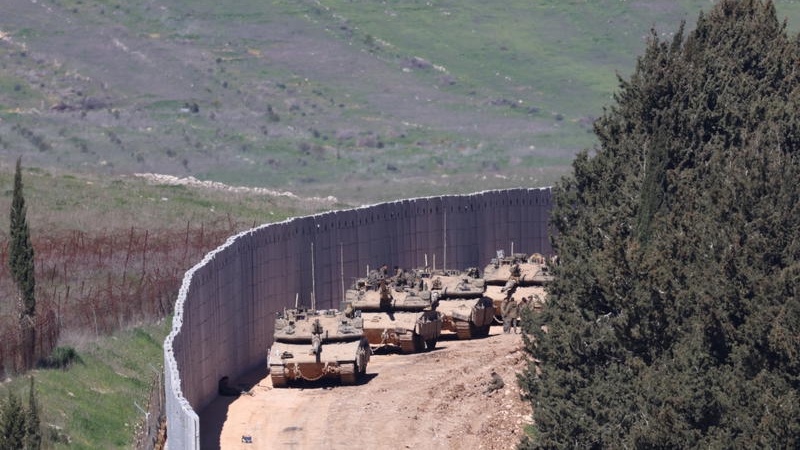
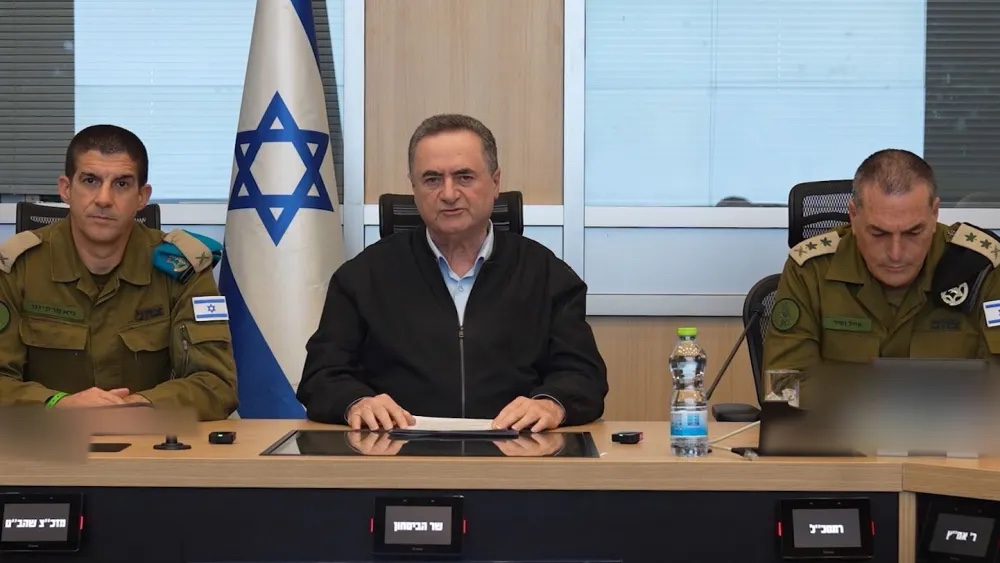
Israeli DM says the opportunity to finally destroy Hezbollah and the threat it poses must be seized.
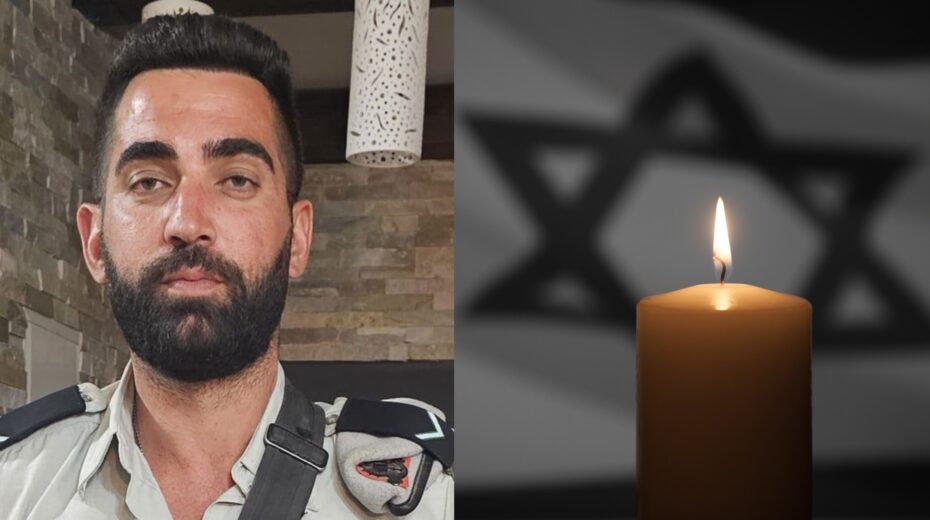
Fighting at the northern border continues – Defense Minister Israel Katz warns Beirut of the consequences of further attacks.