Following the foiled attack on FlyDubai flight FZ1073, investigators are searching for possible masterminds and connections of the Omani co-pilot.


Aviel born on a Kibbutz and grew up in Jerusalem in a family dedicated Zionism. After high school he served in the renown Givati Brigade and fought in the First Lebanon War. After his service he studied Music at the Jerusalem Academy of Music and Dance and later went on to study Telecommunication and Marketing.
Together with his wife Anat they raised four children and for the couple “family is above all!” They live on a Moshav in the hills around Jerusalem where Aviel served for years in a rescue team in the Judean desert and has a passion for the unique wilderness of Israel. He enjoys hiking, running, cooking, music, kitesurfing and travel. Family, work and faith help him keep balanced in mind, body and soul.
Aviel loves to uncover biblical truths that shine light on current political dramas in Israel and the region. “As is it written, ‘There is nothing new under the sun.’ But there is a lot of ancient wisdom and things that people forget, especially concerning Israel. Whether we like it or not, the Bible is the only mandate for Israel’s rebirth and existence today.”
Following the foiled attack on FlyDubai flight FZ1073, investigators are searching for possible masterminds and connections of the Omani co-pilot.
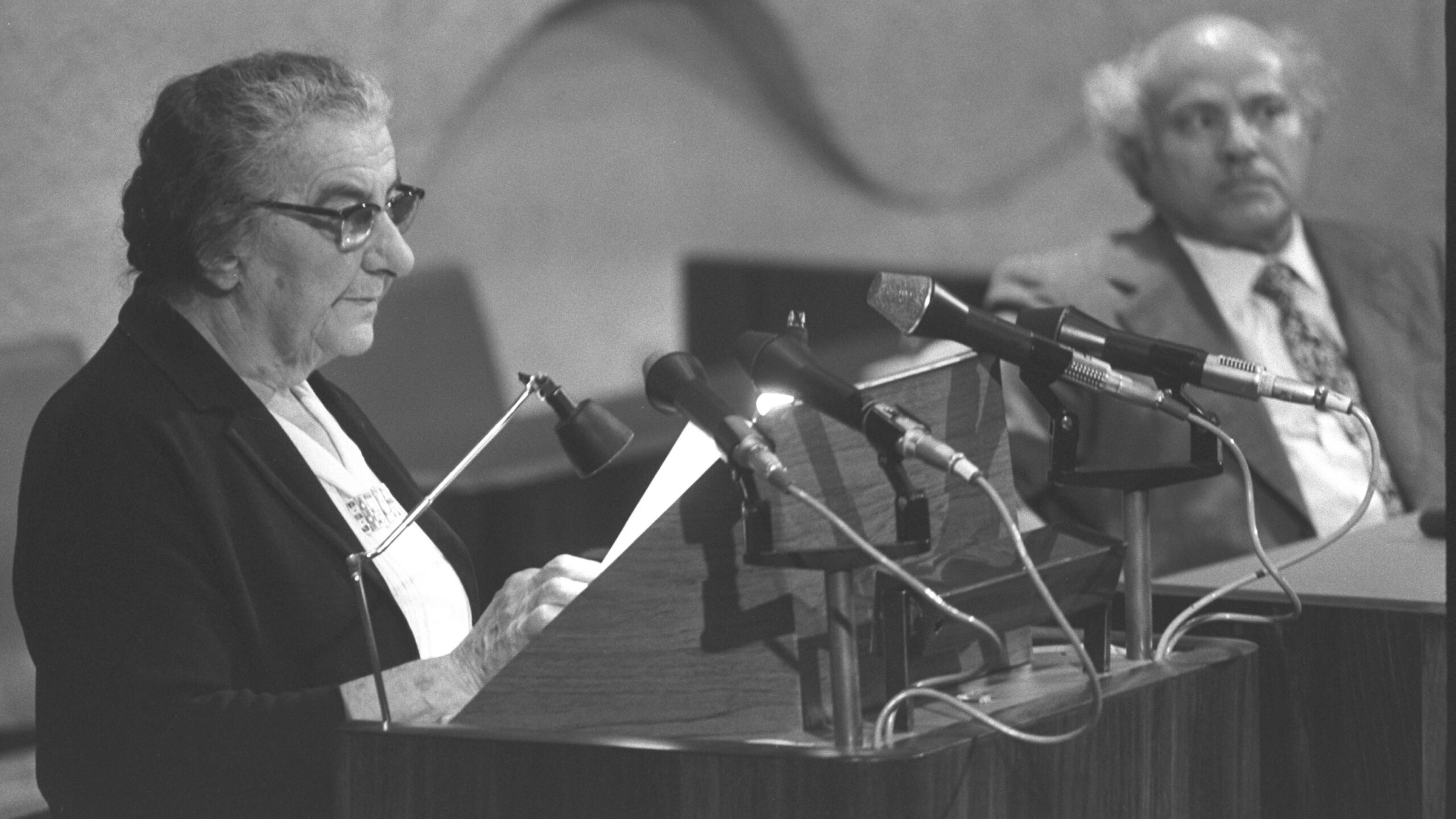
From Masada to the Warsaw Ghetto to the modern State of Israel, a bitter lesson runs through Jewish history: sympathy after a catastrophe can honor the dead – but only self-defense can save lives.
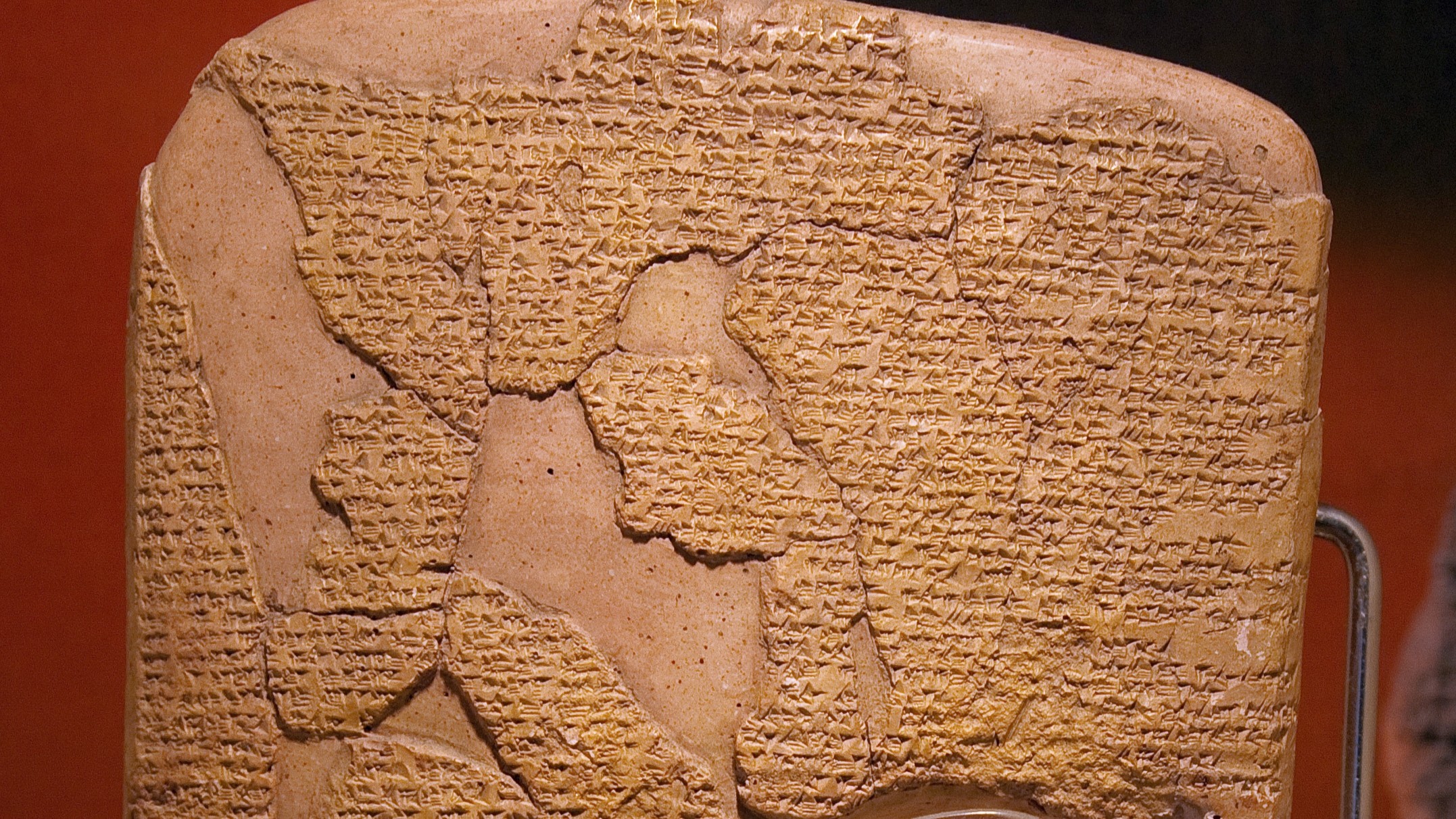
An ancient peace treaty shows how relevant the questions of war and peace have remained.

An Israeli astrologer identifies a nine-year cycle in Israel’s wars and predicts the next major confrontation. But what does the Bible say about stars, signs, and the future of Israel?
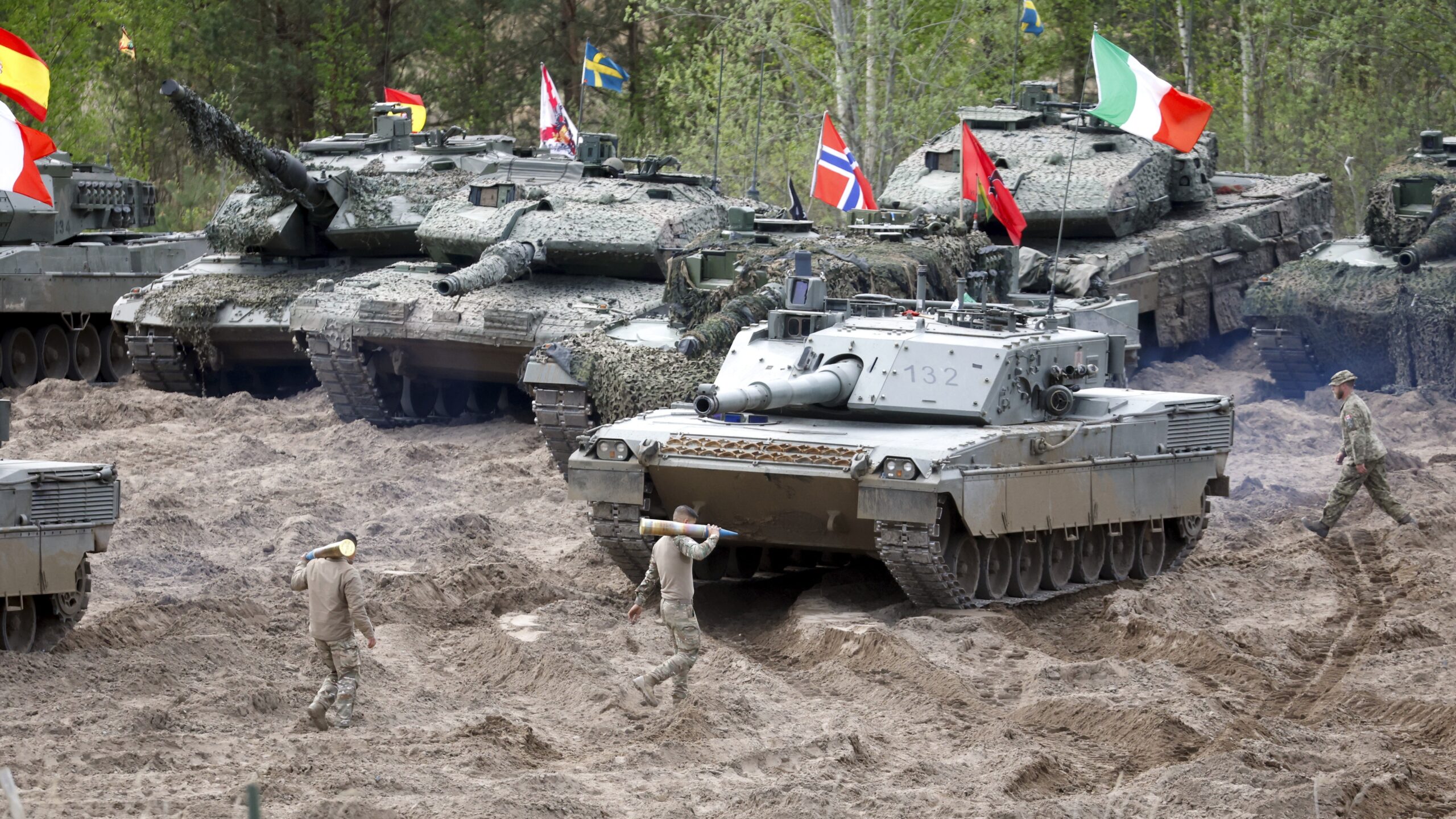
Europe wanted to show the world how to overcome war. Today, Europe is learning again how to prepare for war.
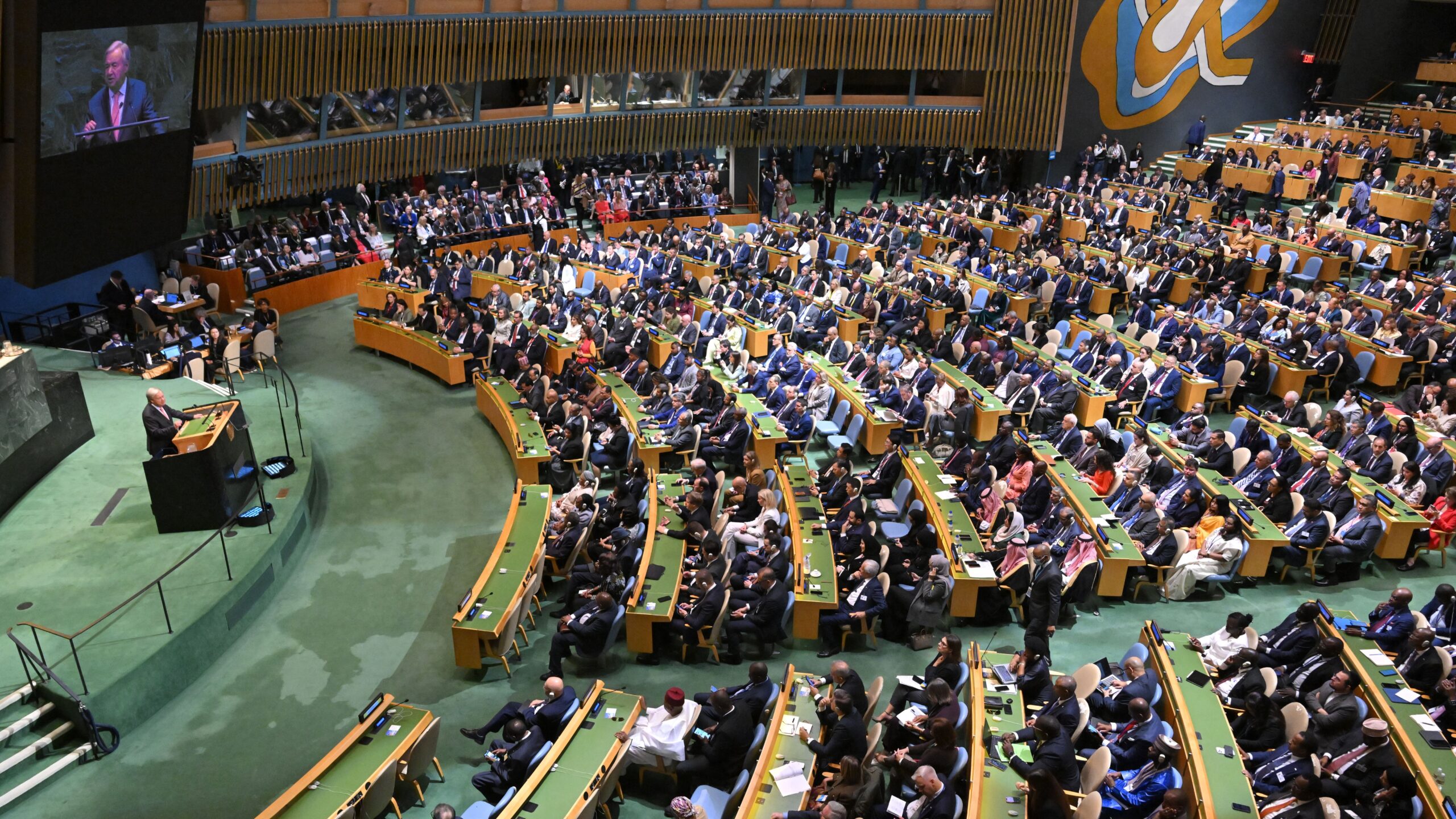
Israel annoys the world – not just since Gaza or October 7th. For thousands of years, this small people has preoccupied the nations and apparently cannot be ignored.
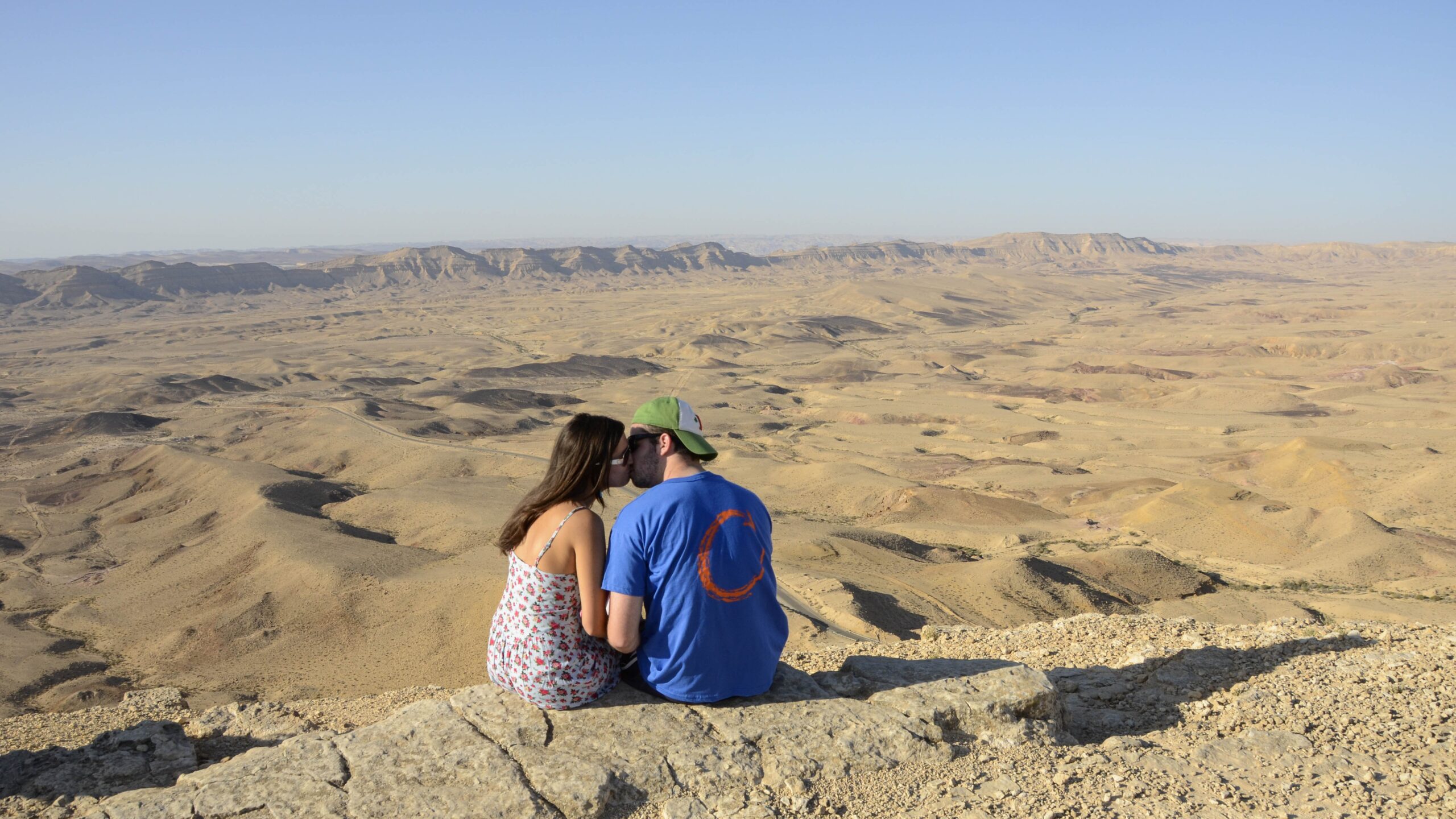
“Be fruitful and multiply” – almost everyone knows this phrase. But did God really only invent sexuality so that people could have children?
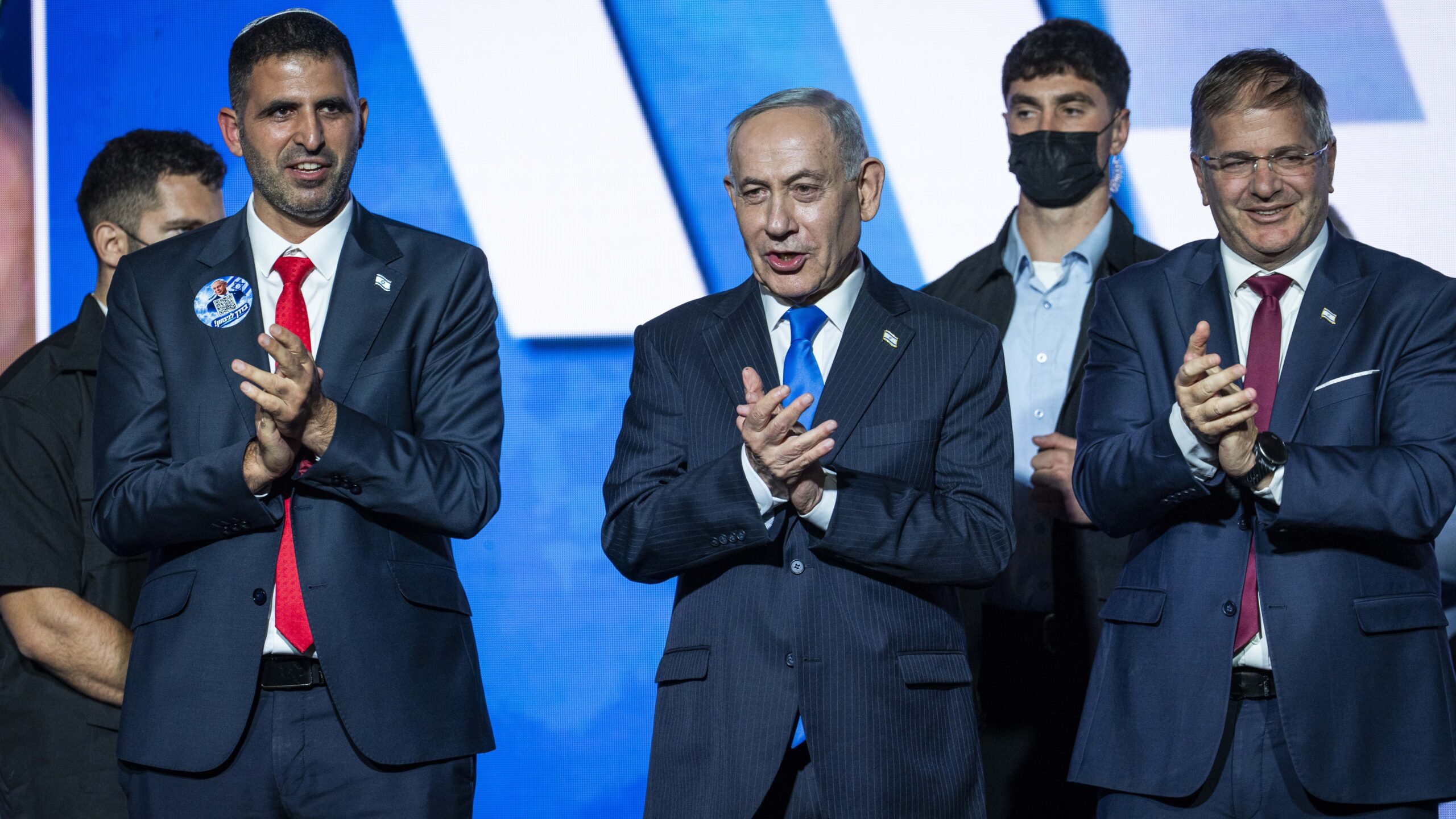
How strong is Benjamin Netanyahu really? Just a few weeks before the election, Israel’s pollsters are providing completely different answers to this question.
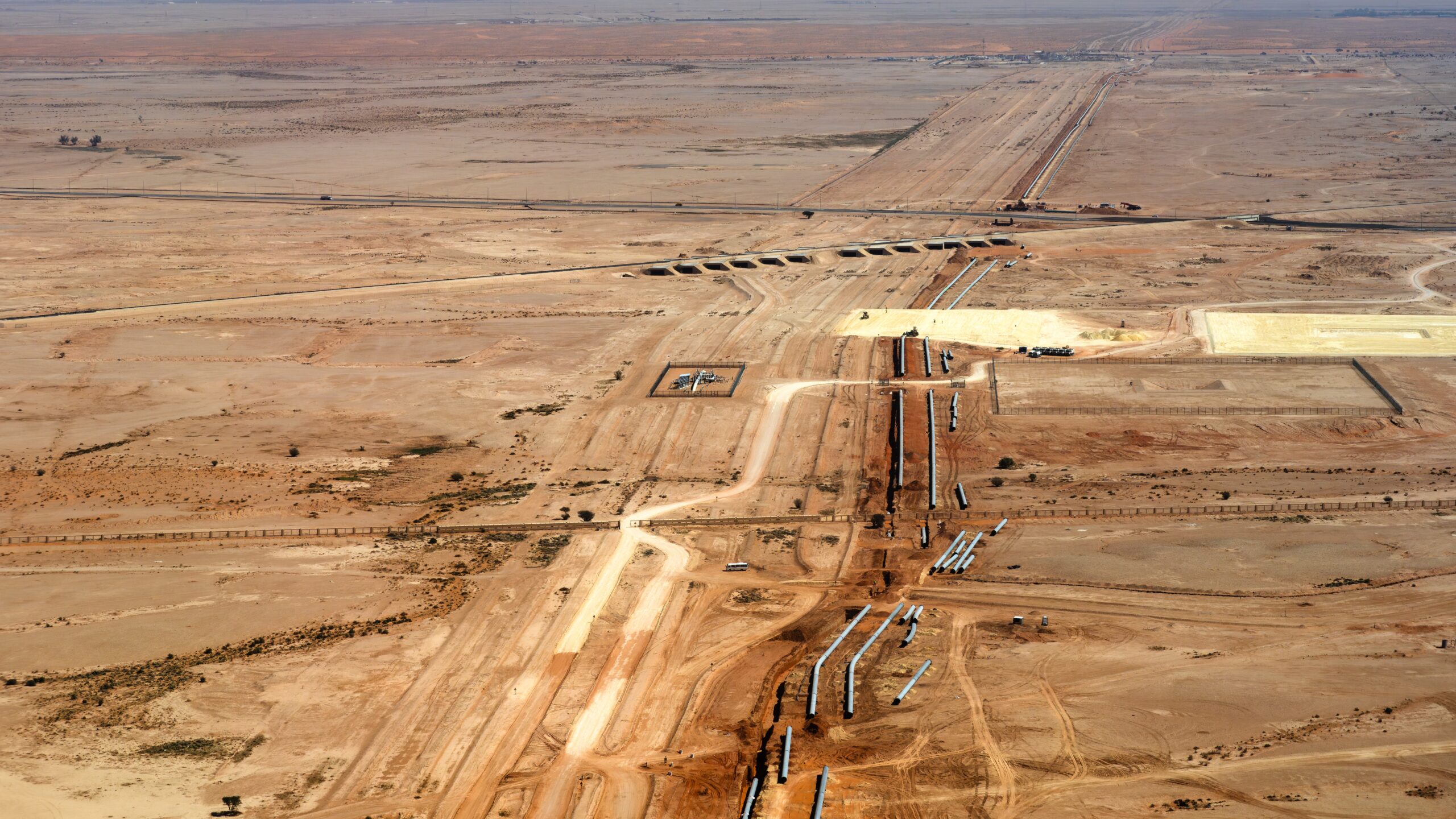
The attack on the Saudi East-West Pipeline is far more than just another strike against the kingdom’s energy infrastructure. What was hit was precisely that strategic lifeline that Saudi Arabia created to be able to bypass the Strait of Hormuz in an emergency.
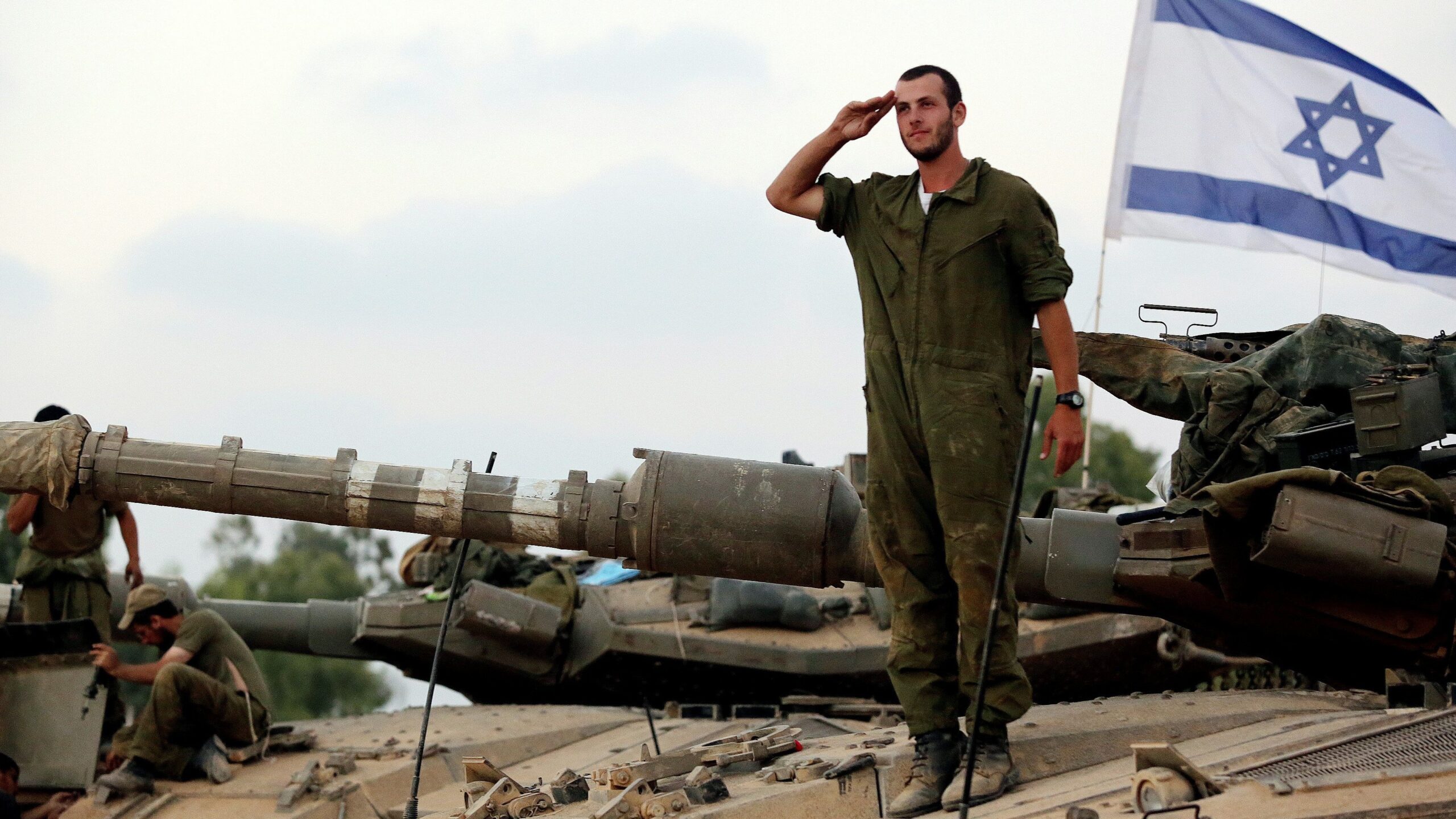
From the Gaza Strip to the Strait of Hormuz: Why Israel, despite its small size, is increasingly at the center of global crises and their consequences.