

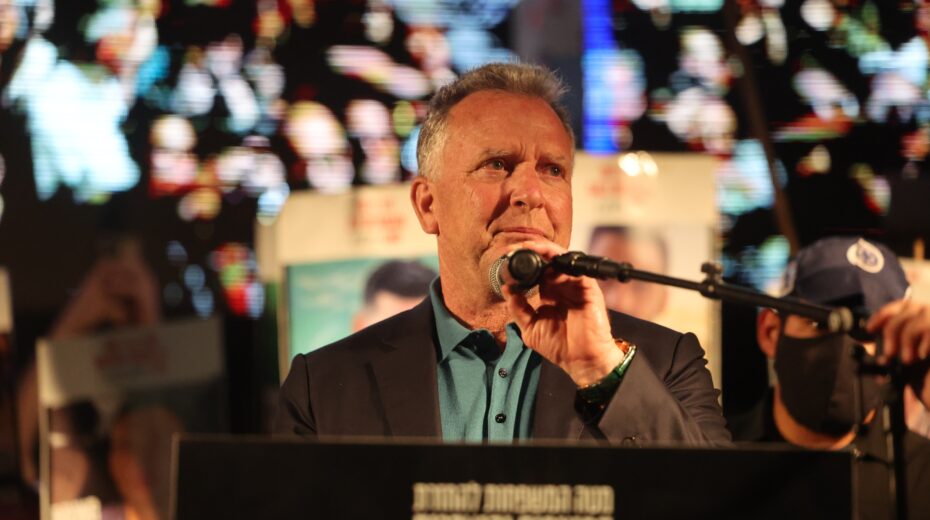

As the ceasefire in the Gaza Strip remains fragile, international mediators have discussed the next diplomatic steps in implementing the Gaza plan initiated by US President Donald Trump. Representatives from the United States, Egypt, Qatar, and Turkey met Friday in Miami to assess the progress of the first phase and prepare for what comes next. US Special Envoy to the Middle East, Steve Witkoff, confirmed the meeting on Saturday.
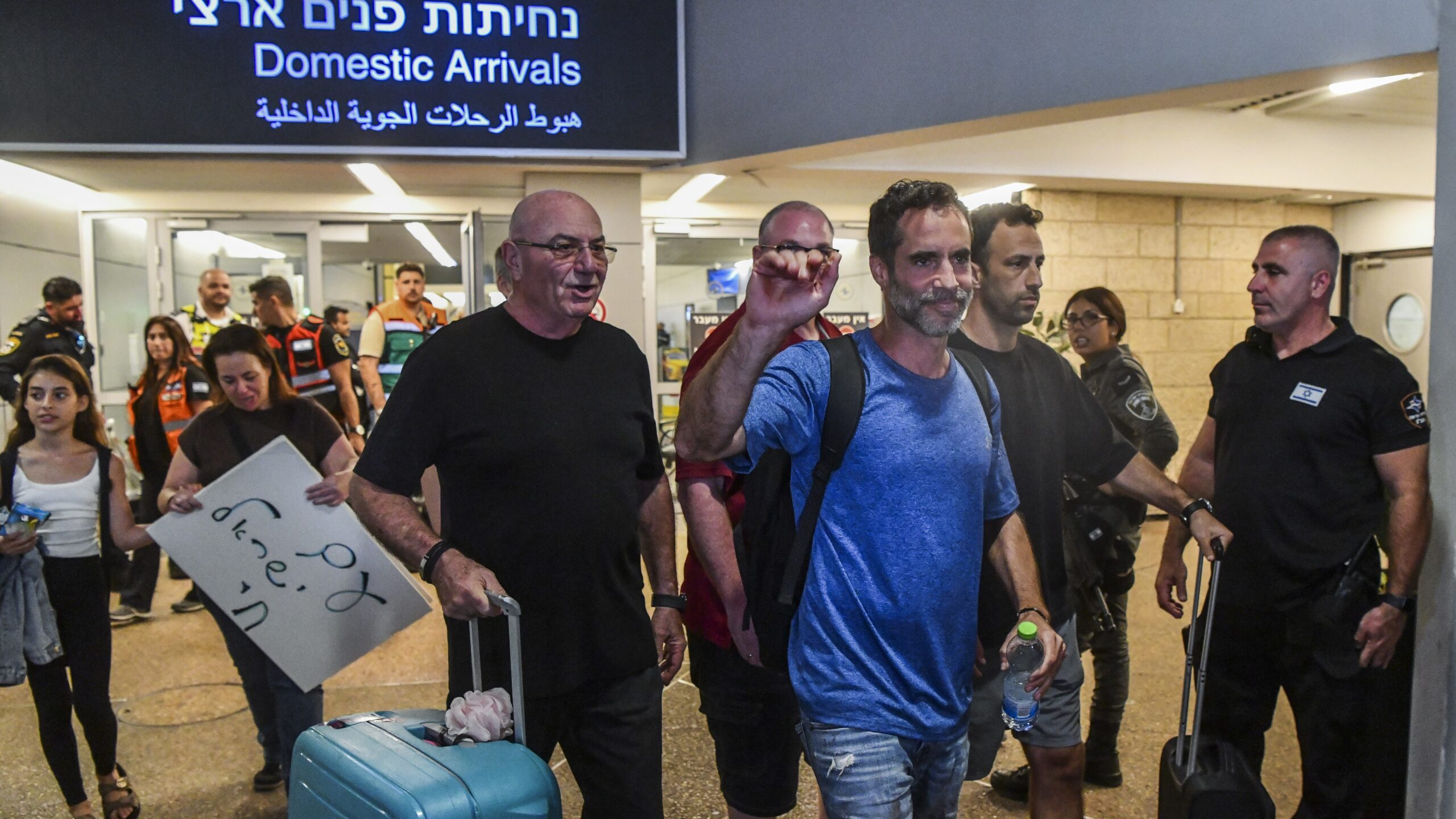
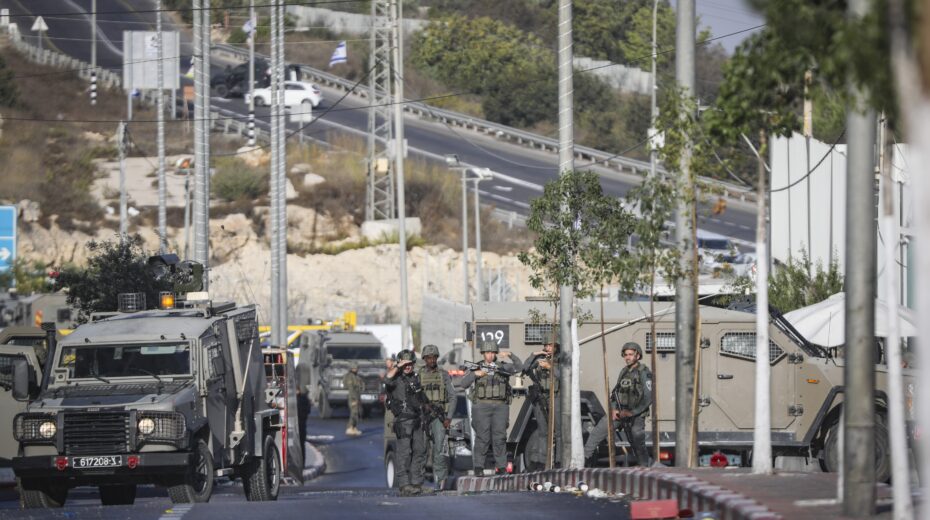
According to Witkoff, the first phase has produced tangible results: nearly all hostages have been released (though Israel still awaits the return of the body of hostage Ran Gvili), parts of the IDF have withdrawn from Gaza, combat operations have decreased, and humanitarian aid has expanded. However, he stressed that these gains are only the foundation for the next stage.
The core of the talks centered on how to structure the next phase—particularly, the civil administration of Gaza. Plans call for establishing a “Board of Peace,” a transitional authority to coordinate civilian governance, security, and reconstruction. The aim: ensure public order and civilian protection under Palestinian responsibility.
Mediators also discussed measures for Gaza’s regional integration—facilitating trade, rebuilding infrastructure, and launching joint energy and water initiatives. The US sees these as critical for providing long-term economic prospects for Gaza and stabilizing the region.
The participating states reaffirmed their support for Trump’s 20-point peace plan, which outlines a phased implementation under international supervision. This includes the creation of an international stabilization mission and a defined sequence of coordinated, monitored actions with local and international partners.
However, beneath the public unity, regional reservations persist. Egypt and Jordan formally support the plan but are wary of being made permanently responsible for Gaza’s security or politics. Egypt warns of Sinai destabilization; Jordan fears domestic backlash if Palestinian interests appear sidelined. Their endorsement remains cautious rather than committed.
A deeper fault line is the issue of demilitarization. While Washington claims Hamas agreed to the plan’s general outlines, Hamas leaders have publicly rejected key points. Senior figure Khaled Mashaal declared that armed resistance and retaining weapons are non-negotiable rights. He repeated calls for Israel’s destruction, saying, “Weapons are the honor and pride of the Islamic nation—more valuable than any political statement.”
This directly contradicts the plan’s core requirements. A UN Security Council resolution, unanimously passed on November 17, demands that Hamas and other terror groups play no role in Gaza’s future governance. All terrorist infrastructure—tunnels, weapons depots, production sites—must be dismantled and permanently destroyed. The international stabilization mission is tasked with overseeing this disarmament of all non-state armed actors.
Independent security assessments suggest Hamas retains operational leadership structures and sees its weapons not as bargaining chips, but as essential. In this view, the ceasefire is a tactical pause—not a step toward political compromise.
Israeli skepticism is growing. National Security Minister Itamar Ben-Gvir called for a tough response to recent Hamas ceasefire violations, saying the IDF must be free to respond forcefully. Many Israelis share this sentiment.
The Gaza plan now stands at a decisive juncture. There is unusually broad international consensus on the framework and needed steps. But whether this leads to a durable outcome hinges on a single question: Is Hamas truly willing to surrender its power and weapons—or will yet another peace initiative collapse under the weight of armed ideology?
Want more news from Israel?
Click Here to sign up for our FREE daily email updates







It was occupation of large areas of Gaza City that drove Hamas to agree to a ceasefire, is this area the Achilles heal of Hamas ?