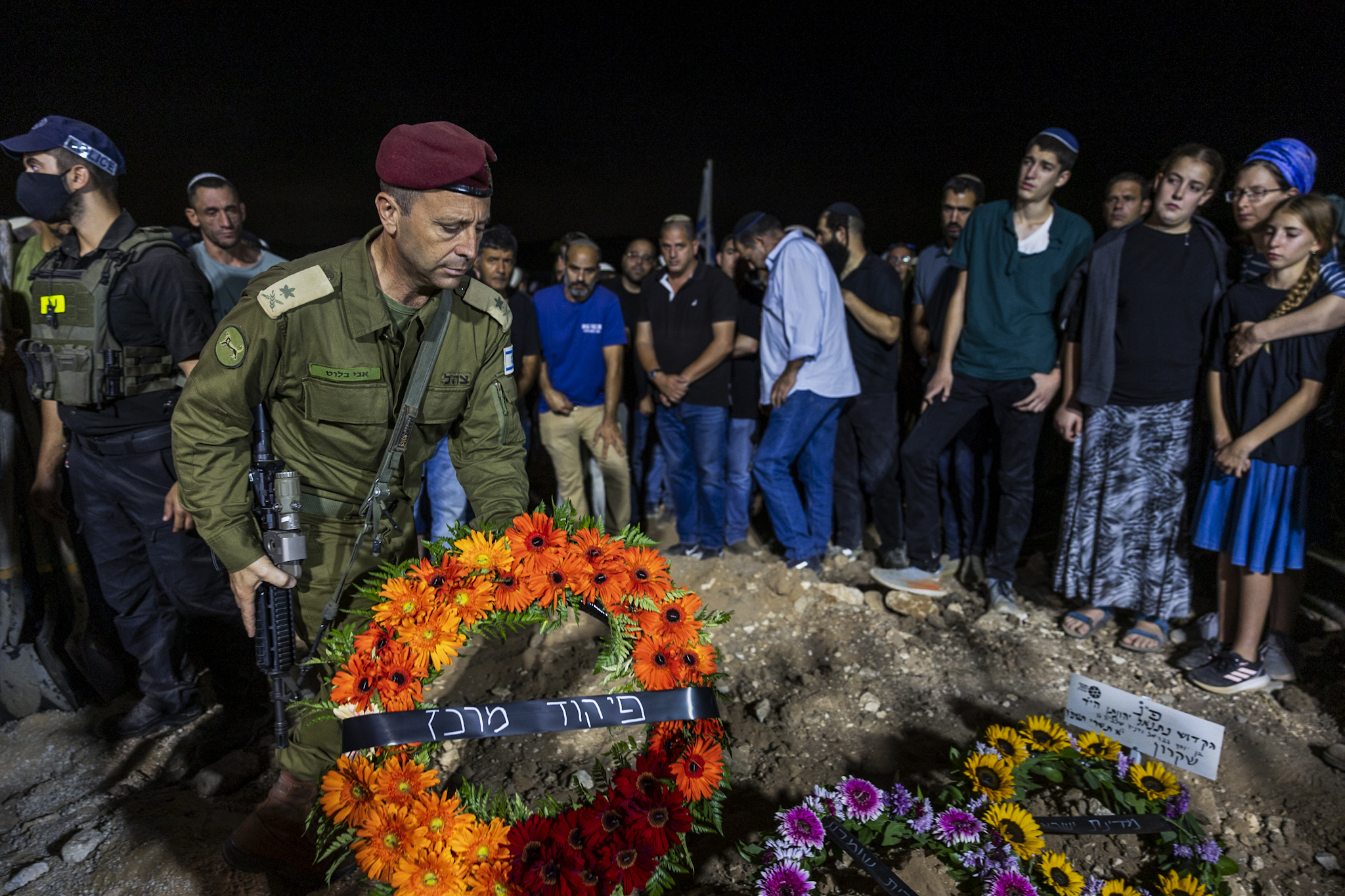
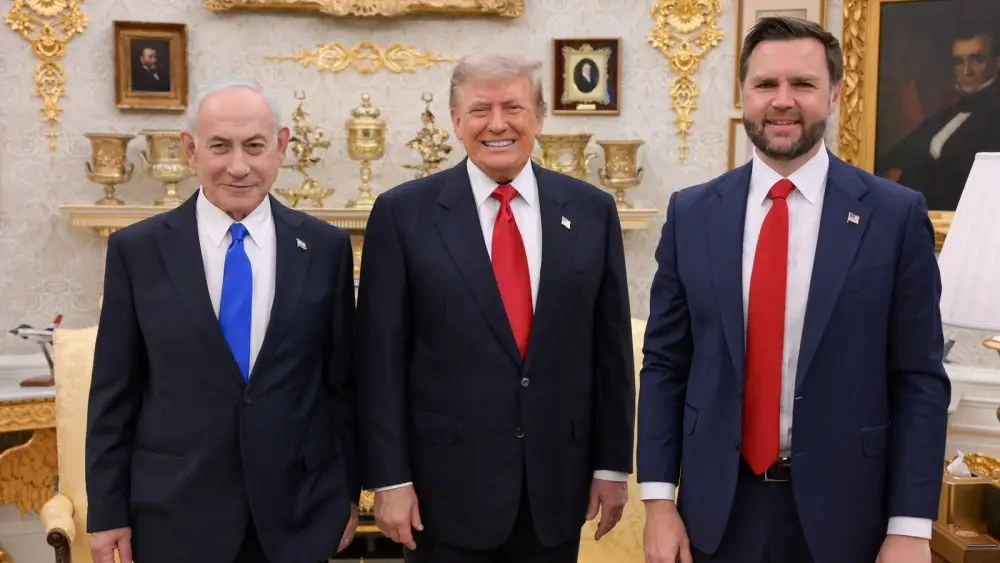
Orthodox Jews show increasing interest in the hope and future offered by Yeshua.

Orthodox Jews show increasing interest in the hope and future offered by Yeshua.
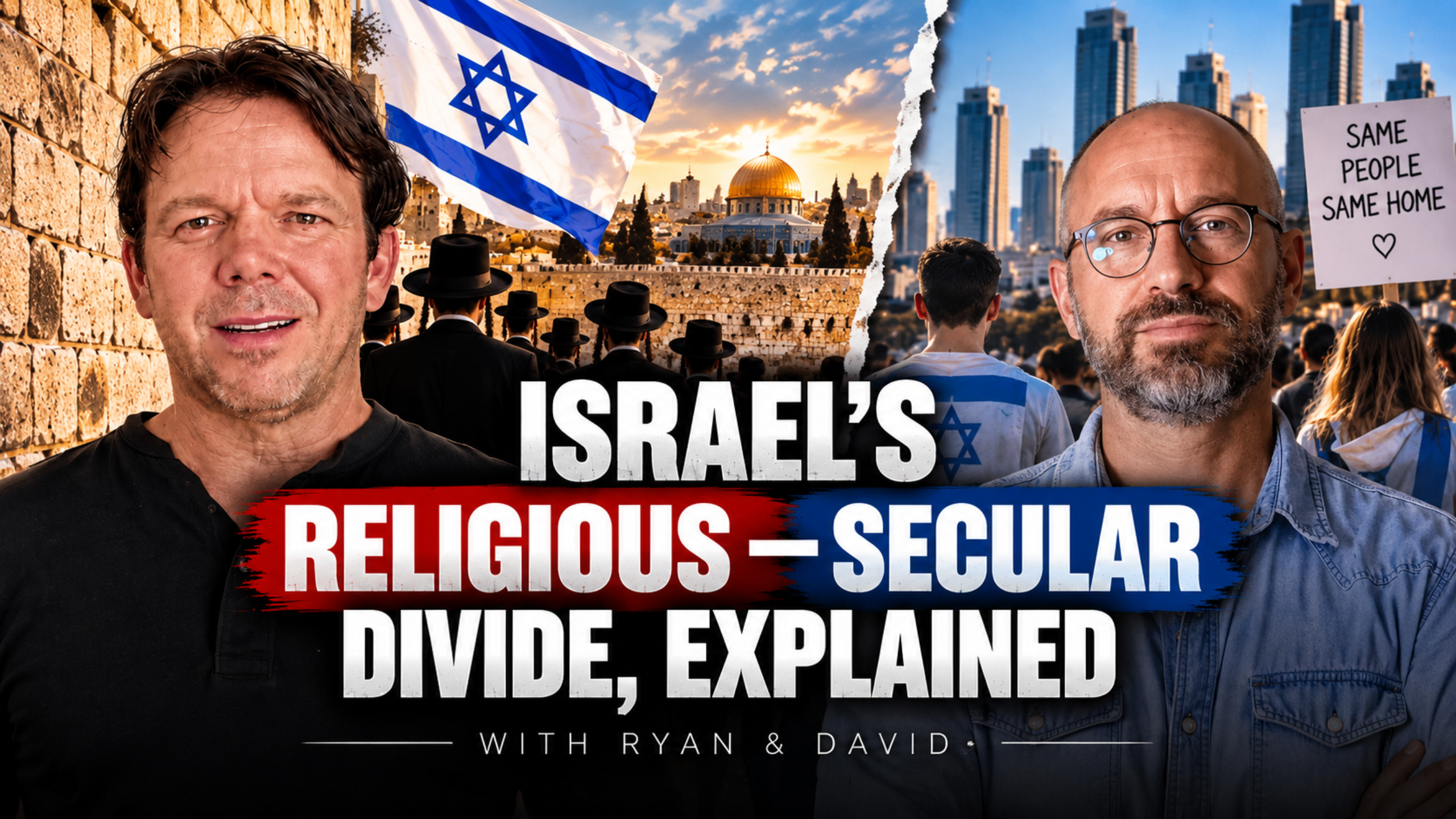
Ryan Jones and David Shishkoff on Shabbat, Haredim, and the quiet rift running through the Jewish state.
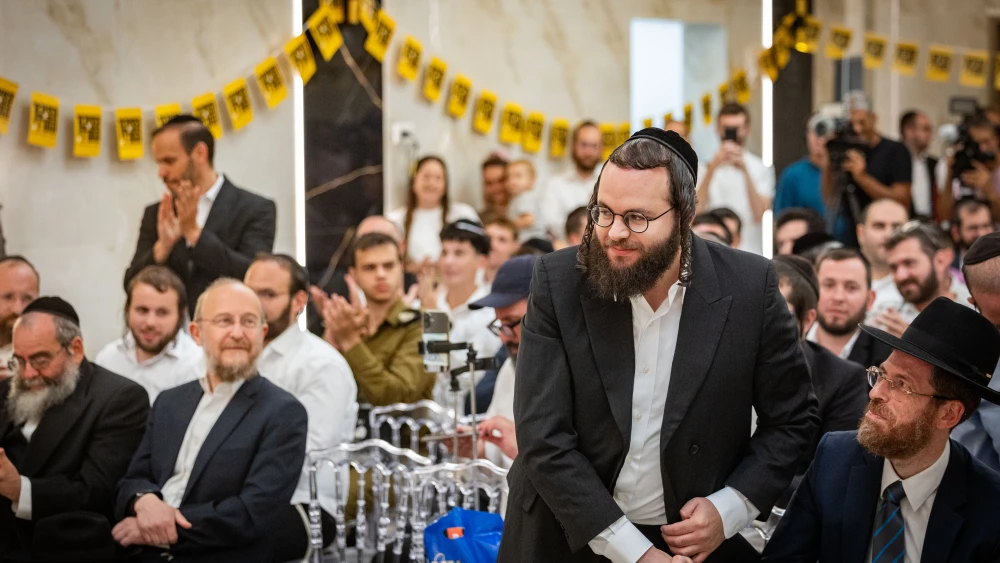
The Charedi Public Party says it will protect full-time Torah study while supporting military or national service for ultra-Orthodox men who are not studying in yeshivahs, address math and English instruction in haredi schools.
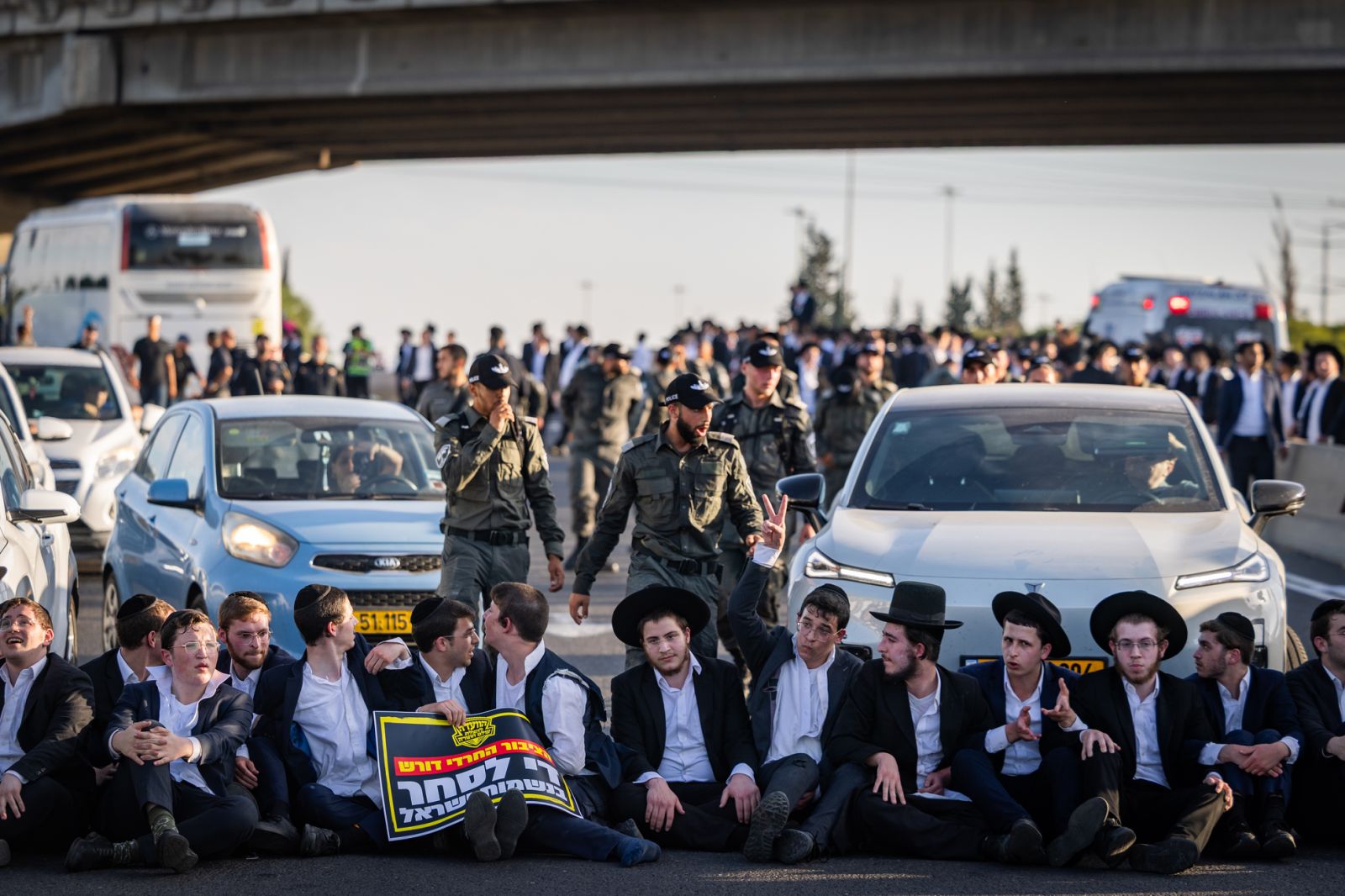
Since the beginning of the war in the Gaza Strip and the military strain on all fronts, more and more Israelis are demanding the fulfillment of military service obligations.

Why is the rest of Israeli society so upset over the fact ultra-Orthodox Jews don’t do military service, and how will that impact the vote and the election aftermath?
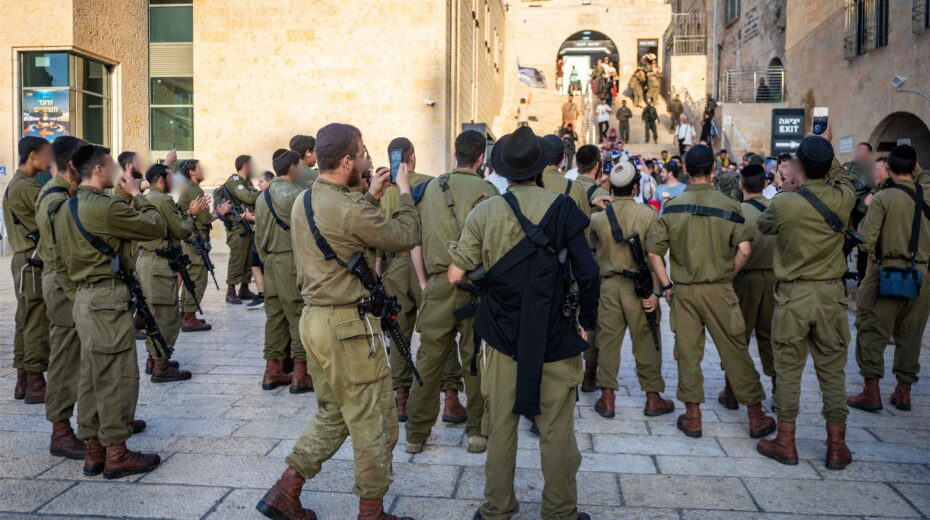
The war transformed a decades-old legal and political dispute into an urgent fight over military manpower, equality of service and the future of Haredi society.

During “Bein Hasmanim,” tens of thousands of ultra-Orthodox families flock to parks and nature areas across the country. A time of relaxation and community – but also a question of responsibility for public spaces.

Originally intended to accommodate a few hundred Torah scholars, the exemption of ultra-Orthodox yeshivah students from IDF service evolved into one of Israel’s most contentious public policy issues.
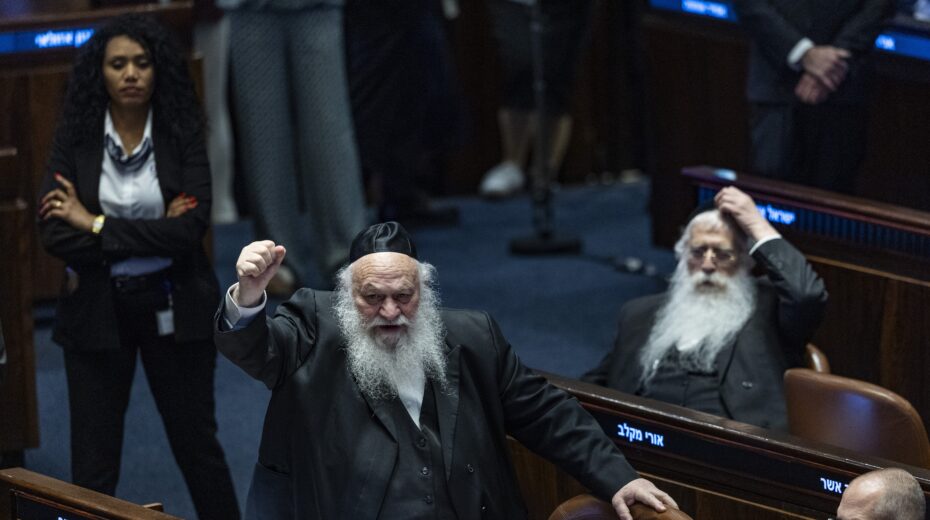
Despite holding a fraction of Knesset seats, Shas and United Torah Judaism have become indispensable coalition partners, reshaping Israeli politics.

Demographics, not missiles or terrorists, may pose the greatest threat to the Jewish state’s future.