
(JNS) For the residents of northern Israel, the reality is one of constant fear. Sirens echo throughout the day. The roar of drones and missiles punctuates daily life. Families rush to shelters, children cannot attend school and parents struggle to maintain any semblance of normal work.
Ensuring security requires pushing Hezbollah away from the border—at least as far north as the Litani River. According to the ceasefire reached on Nov. 27, 2024, Hezbollah was supposed to halt the rebuilding of bases and weapons depots in that area, stop transferring missiles and drones and cease its attacks against Israel.
But the reality has proven otherwise.
Two weeks ago, Hezbollah—an essential pillar of Iran’s Shi’ite power in the region—entered the confrontation with Israel more directly, escalating tensions and further destabilizing the border.
Diplomacy could still play a role. A serious intervention by the Lebanese government—both political and military—might help contain the situation.
For this reason, Ron Dermer, one of Israel’s most experienced diplomats, has been called upon to assist. His deep knowledge and the appreciation he commands in Washington, where he served as Israel’s ambassador, make him a crucial bridge for the difficult decisions ahead.
This is a clear signal to the Lebanese government: either it shows the courage to implement the commitments it accepted under the Nov. 27, 2024, ceasefire to disarm Hezbollah, or Israel will have no choice but to secure Southern Lebanon itself.
It was the Biden administration that halted the broader war after the Hamas-led attacks of Oct. 7, a conflict that might otherwise have significantly reduced Hezbollah’s power.
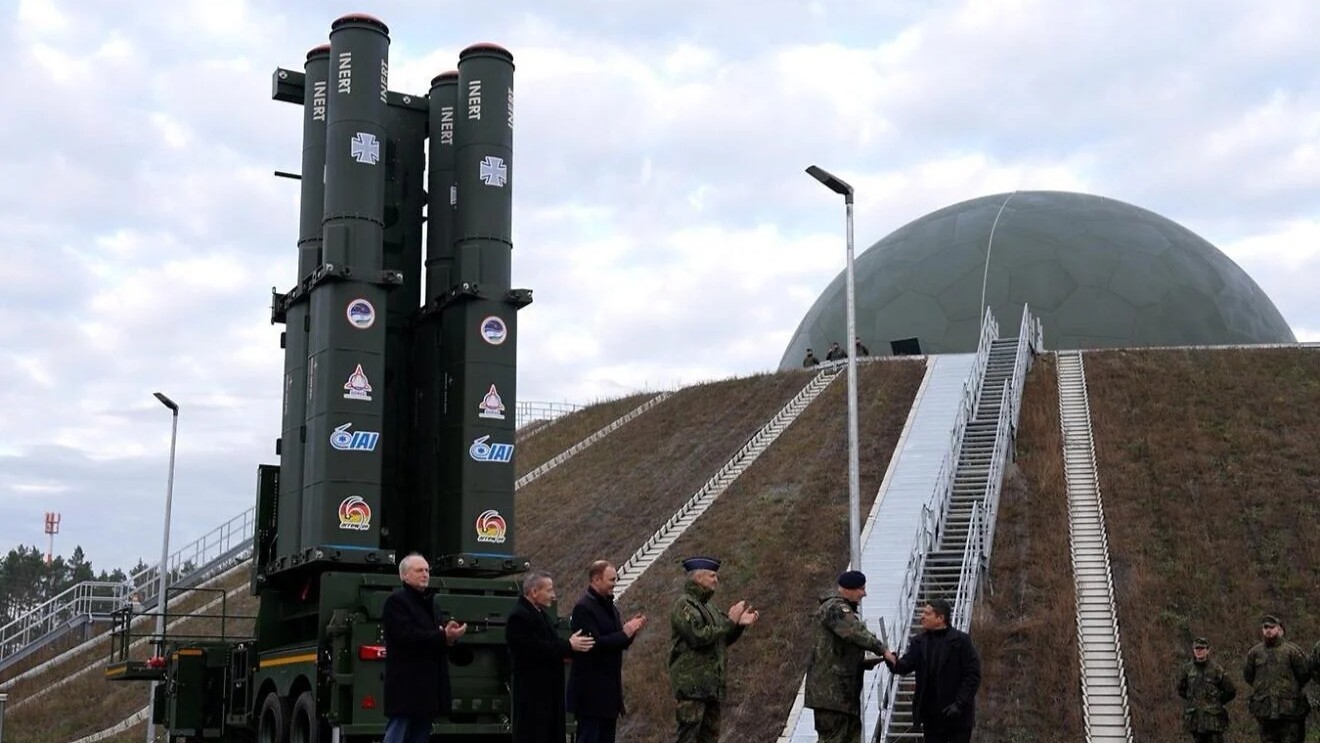
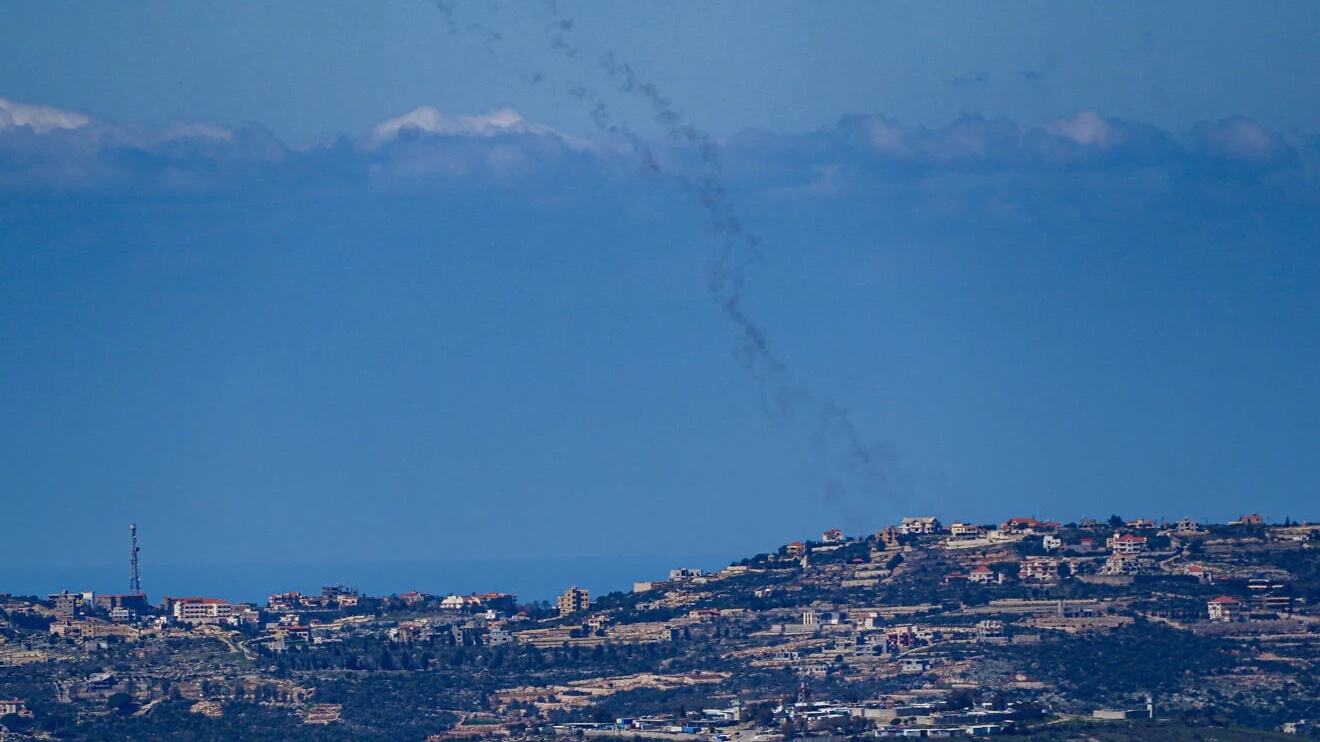
Now, however, the Middle East is once again streaked with the trails of missiles—from both Iran and Hezbollah. The region stands on the brink of momentous decisions.
These decisions follow the strategic path adopted by Israel after Oct. 7, 2023. Initially, Israel attempted a strategy combining deterrence with diplomacy. But today Israel must confront openly declared jihadist ambitions to destroy the Jewish state through terror.
Hezbollah leader Naim Qassem has openly stated that the organization is prepared for a prolonged war.
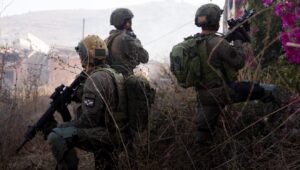
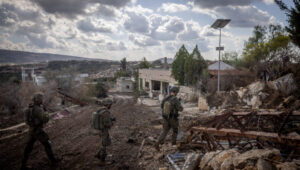
Israel, in turn, is considering a ground operation aimed at pushing Hezbollah away from the border and dismantling its military infrastructure—its weapons depots, command centers and tunnels.
Reservists who only recently returned from the long war against Hamas have been called up once again. Already, there have been casualties and many wounded.
The Israeli military has urged civilians in southern Lebanon who are not involved in the fighting to evacuate. As many as a million people are on the move. At the same time, Israel is exercising caution regarding Lebanese state infrastructure that does not belong to Hezbollah; at Washington’s request, the Beirut airport is being spared.
IDF Chief of Staff Lt. Gen. Eyal Zamir has spoken of the need for “better preparation for new offensive and defensive scenarios.”
In Beirut’s Dahieh district—the stronghold of Hezbollah’s leadership—the skyline is once again marked by smoke. One building was struck twice.
There will be no agreement with Hezbollah. Israel’s objective is instead the dismantling of an organization that, since 1983, has spread violence across the Middle East and beyond—killing Americans and Israelis, carrying out attacks from Buenos Aires to Burgas, and saturating Israel with thousands of rockets and missiles.
The day after the Oct. 7 massacre, Hezbollah opened fire on northern Israel with rockets and artillery. The intention was clear: a deadly pincer designed to help destroy Israel.
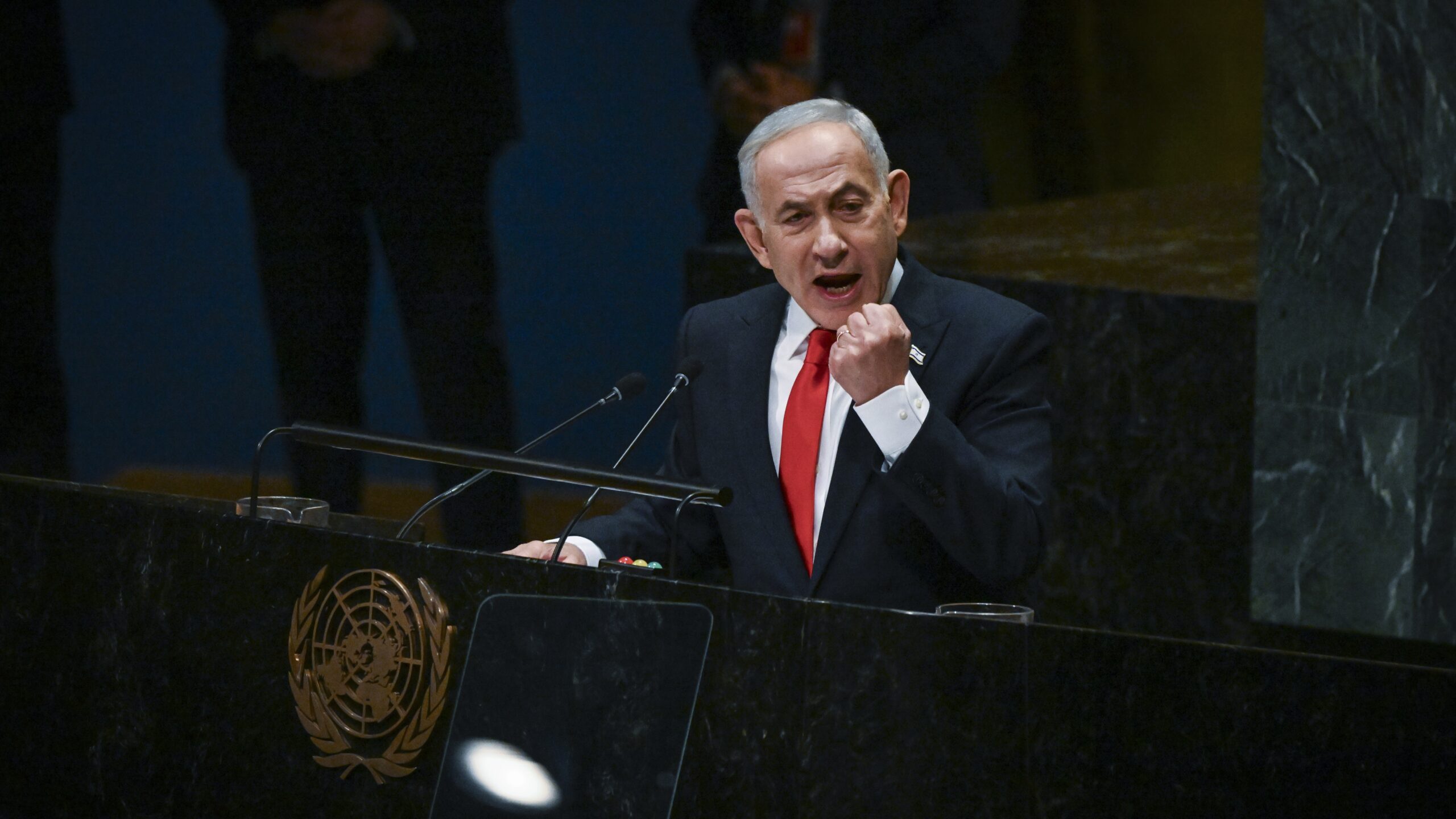
Prime Minister Benjamin Netanyahu’s decision to confront Hezbollah directly—including the elimination of its longtime leader Hassan Nasrallah—was decisive.
Yet the Shi’ite hydra has many heads. Hezbollah remains deeply embedded within Iran’s regional network.
Israel now appears determined to confront this threat once and for all.
Want more news from Israel?
Click Here to sign up for our FREE daily email updates