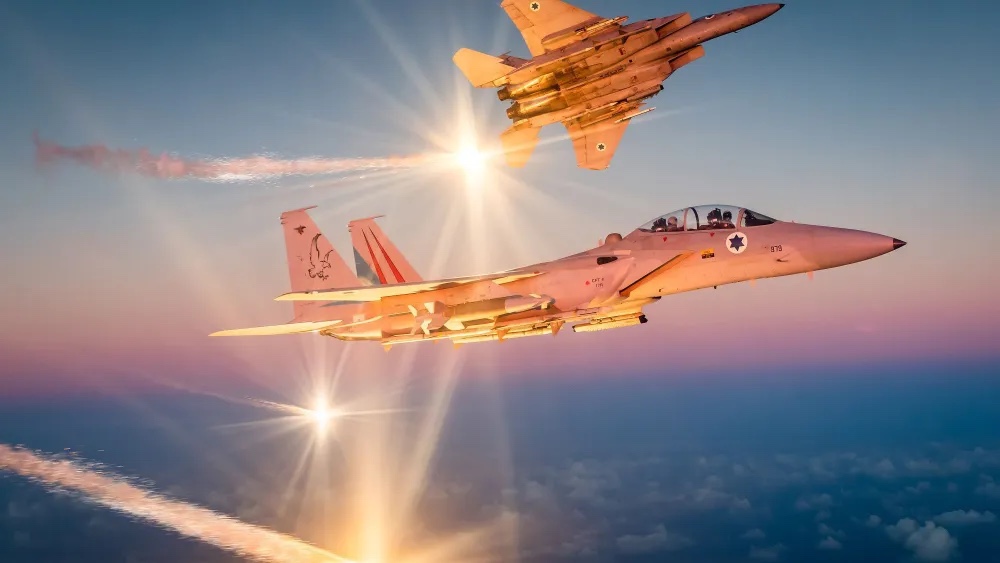

An Israeli airstrike in Tehran killed a senior Islamic Revolutionary Guard Corps figure responsible for overseeing oil-related commercial activity that allegedly helped finance Iran’s military buildup and its regional proxy network, according to the Israeli military.
The target, identified as Mohammad Reza Ashrafi Kahi, was killed on Friday, April 3, in the Iranian capital. In a statement issued Sunday, the Israel Defense Forces said Ashrafi Kahi played a central role in managing the commercial arm of the IRGC’s oil revenue apparatus, a system it said generated billions of dollars each year while helping Tehran circumvent international sanctions.
According to the IDF, those funds were used to support the IRGC’s missile and drone programs and to strengthen allied armed groups across the region, including the Houthis in Yemen, Hezbollah in Lebanon, and Hamas.
🔴ELIMINATED: Mohammad Reza Ashrafi Kahi, the Head of Commerce at the IRGC’s Oil Headquarters in Tehran.
Ashrafi managed the commercial operations of the Oil Headquarters, estimated at billions of dollars annually, and advanced the development of the IRGC’s military… pic.twitter.com/WmQHYOKPux
— Israel Defense Forces (@IDF) April 5, 2026
Israeli officials said the strike was part of a broader effort to hit not only Iran’s military leadership, but also the financial structures that sustain its operational reach. The military linked Ashrafi Kahi’s killing to an earlier strike on March 31 that it said eliminated Jamshid Eshaqi, another figure allegedly involved in covert oil-financing networks connected to both the IRGC and Iran’s conventional armed forces.
Taken together, the two operations appear aimed at the regime’s economic bloodstream as much as its command structure.
The IDF said it would continue targeting senior figures tied to what it called the Iranian regime’s terror infrastructure wherever necessary.
The announcement came as US President Donald Trump intensified his own public threats against Tehran. In an interview with Fox News on Sunday, Trump said that unless Iran reached an agreement by Tuesday, he would consider sweeping action against the country’s infrastructure and oil sector.
He later reinforced the warning in social media posts suggesting Tehran faced a narrowing deadline tied to the Strait of Hormuz, the strategic waterway at the center of rising regional tensions.
The broader picture is becoming increasingly clear: this is no longer just a contest over missiles and deterrence. It is also a campaign against the financial machinery that allows Iran and its proxies to keep operating.
Want more news from Israel?
Click Here to sign up for our FREE daily email updates