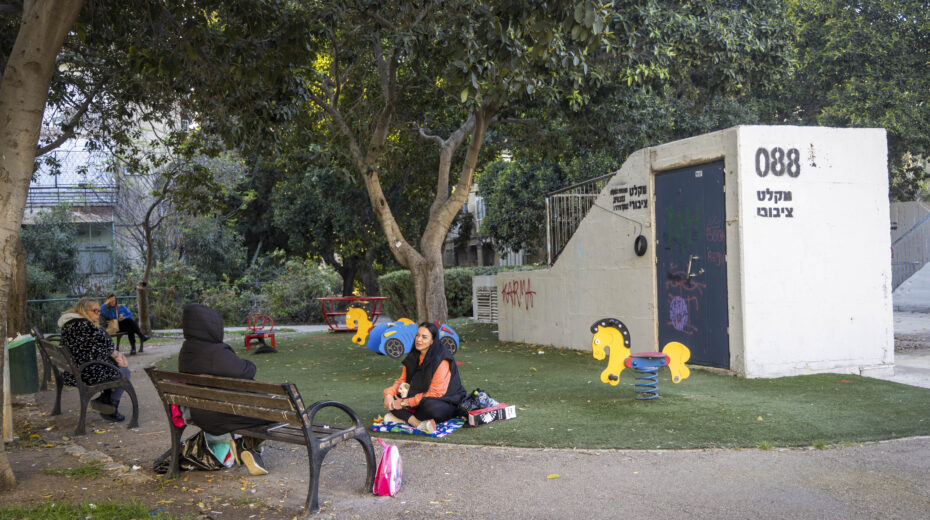

Israeli municipalities are preparing for a possible escalation with Iran: Several cities have opened and inspected their public shelters out of concern that the ceasefire between the United States and Iran, in effect since last month, could collapse.
Ashdod and Rishon LeZion on heightened alert
The southern Israeli city of Ashdod opened its public shelters as early as Monday evening. Mayor Yehiel Lasri, whose city has around 230,000 residents, said Tuesday morning that he had ordered officials “to raise alert levels and strengthen preparedness across all municipal systems.” The emergency operations center has been staffed, and the city hotline has been reinforced.
In Rishon LeZion, a city in the greater Tel Aviv area with around 260,000 residents, all shelters were inspected Tuesday morning. Mayor Raz Kinstlich told the Israeli news site Ynet: “There is no change in policy, but we are on full alert. We are used to going from zero to one hundred — faster than a Tesla.” He noted that around 50,000 city residents do not have a private shelter, which is why the city is opening educational institutions whose reinforced shelters can also be used by residents overnight.
In Haifa, too, the situation remains tense, even though daily life is continuing for now. Haifa Mayor Yona Yahav told Ynet that life in the city is still proceeding as normal. “The citizens have iron discipline. I do not trust the terrorist organizations, and I am preparing for every surprise,” Yahav said. At the same time, he sharply criticized the government: “They do not come here and they do not call me, even though I am one of the most experienced politicians in the country. I am bitterly angry about this.” In addition, 35% of Haifa’s population lacks private shelters.
Background: Escalation in the Strait of Hormuz
The escalation was triggered by a US-led military operation through which President Donald Trump seeks to ensure the free passage of commercial vessels through the Strait of Hormuz. In response, Iran attacked military and commercial ships with missiles, drones and speedboats. According to media reports, Tehran also fired on the United Arab Emirates and Oman for the first time since the ceasefire took effect, lightly wounding three people.
The US military also sank several Islamic Revolutionary Guard Corps boats in the Strait of Hormuz after a South Korean cargo ship came under Iranian fire.
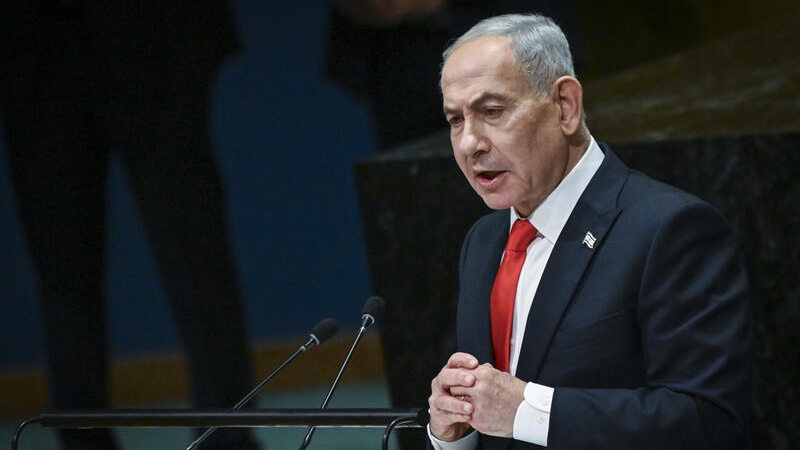
Against this backdrop, Prime Minister Benjamin Netanyahu held high-level security consultations on Monday to prepare for a possible collapse of the ceasefire. An unnamed Israeli security official told Channel 12: “Until now, the ball was in Trump’s court — now it is in Iran’s. If they decide to fight over passage through the Strait of Hormuz, that means a return to hostilities.”
Want more news from Israel?
Click Here to sign up for our FREE daily email updates