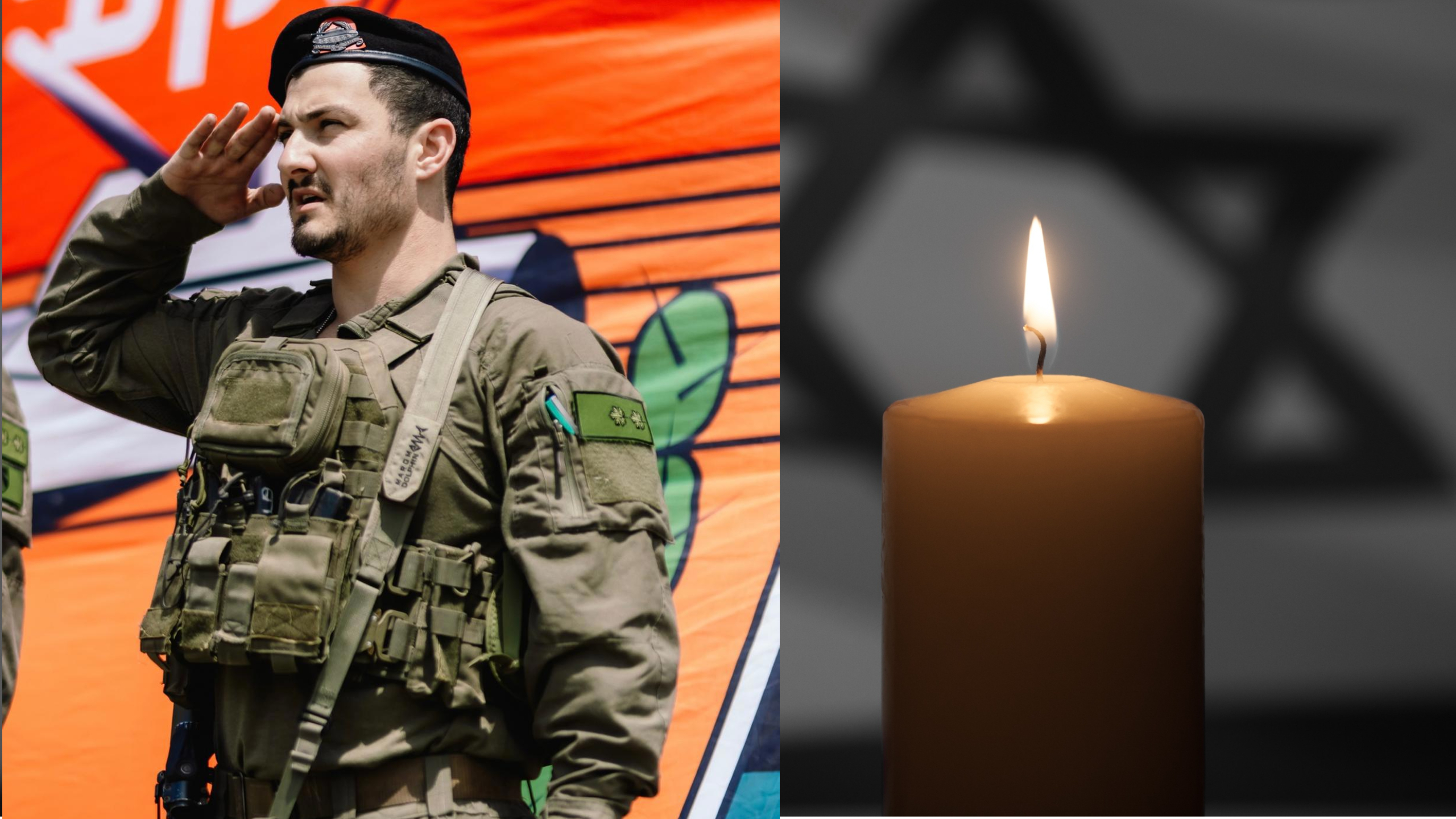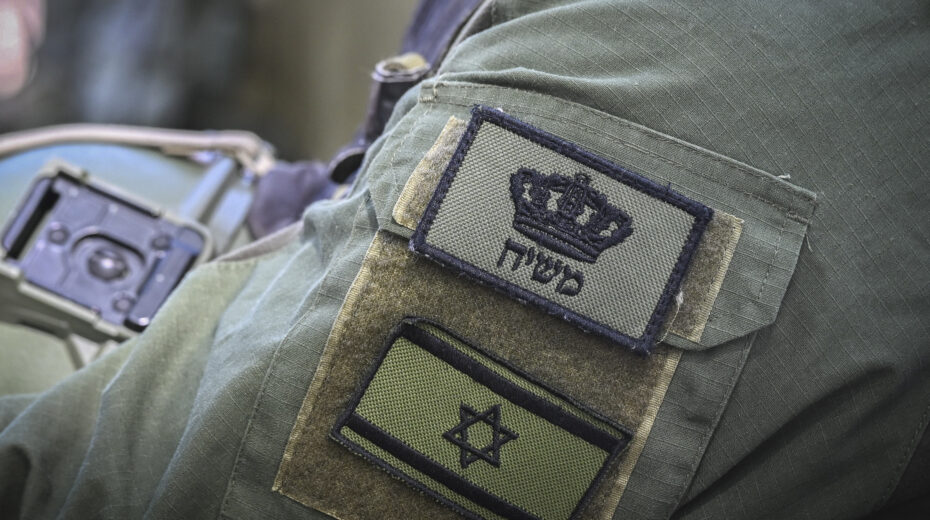

An Israeli soldier has been in military detention since Wednesday — not because of a combat failure, but because of a patch bearing the word “Messiah” on his uniform.
The incident has sparked a heated political debate. Parents, rabbis and Knesset members are demanding the soldier’s immediate release and accusing IDF Chief of Staff Eyal Zamir of applying a double standard.
What happened in Judea and Samaria
A soldier from the Nahal Brigade, who was serving at an observation post, wore a Velcro patch with the word “Mashiach” — “Messiah” — alongside a symbol associated with the Chabad-Lubavitch movement.
Chief of Staff Eyal Zamir noticed the patch during a visit to Judea and Samaria and ordered disciplinary proceedings. The military court subsequently sentenced the soldier to 30 days in military prison.
The platoon commander received a 14-day suspended sentence, the company commander was given an official reprimand, and the battalion commander received a formal warning.
What makes the case especially sensitive is that soldiers had been explicitly warned ahead of the chief of staff’s visit — and at least one chose to wear the patch anyway.
Zamir had already addressed the rise of unauthorized symbols at a conference with senior military officers the previous month as a “rebellion against the values of the IDF.”
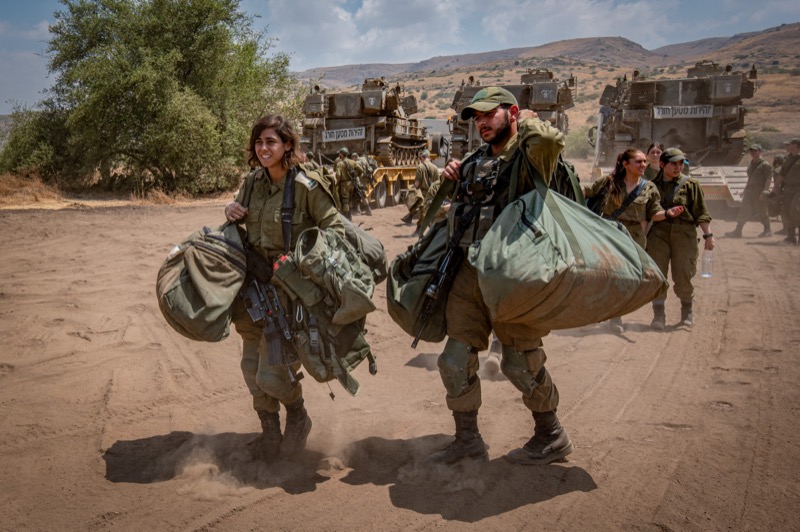
Soldiers participate in a large-scale military exercise by the Nahal Brigade in the Hula Valley in northern Israel. Photo: Ayal Margolin/Flash90
Parents: “A slap in the face to thousands of soldiers”
Parents of Nahal Brigade soldiers responded with an angry letter to Zamir and brigade commander Col. Arik Moyal. They described the 30-day detention sentence as “draconian” and demanded that it be immediately overturned.
The letter stated: “To see the chief of staff himself sending a soldier to prison because he expresses his Jewish faith is a slap in the face to thousands of soldiers.”
The parents sharply criticized what they described as a kind of “patch police” being operated in the middle of a war — while real disciplinary failures at the highest levels remain unpunished.
Knesset member Boaz Bismuth of Likud, chairman of the Foreign Affairs and Defense Committee, called the punishment “grave and scandalous,” saying: “The chief of staff must explain what has changed since then, and whether external media and political pressure are being exerted on the IDF leadership, pressure he cannot withstand. Release the soldier now!”
Likud MK Tali Gotliv went further: “If the chief of staff sends a fighter to prison for 30 days because of a messianic patch, I would send him home for this serious distortion of judgment.”
The phenomenon of unauthorized patches on IDF uniforms is not new. In January 2025, two Givati reservists were publicly confronted after wearing Messiah patches.
At the time, a military source in Northern Command told Walla: “Reservists have not removed the Messiah patch and will not remove it. It is a patch connected to their faith. Senior commanders failed on October 7 and were not convicted — so now you want to punish soldiers over a patch?”
Want more news from Israel?
Click Here to sign up for our FREE daily email updates