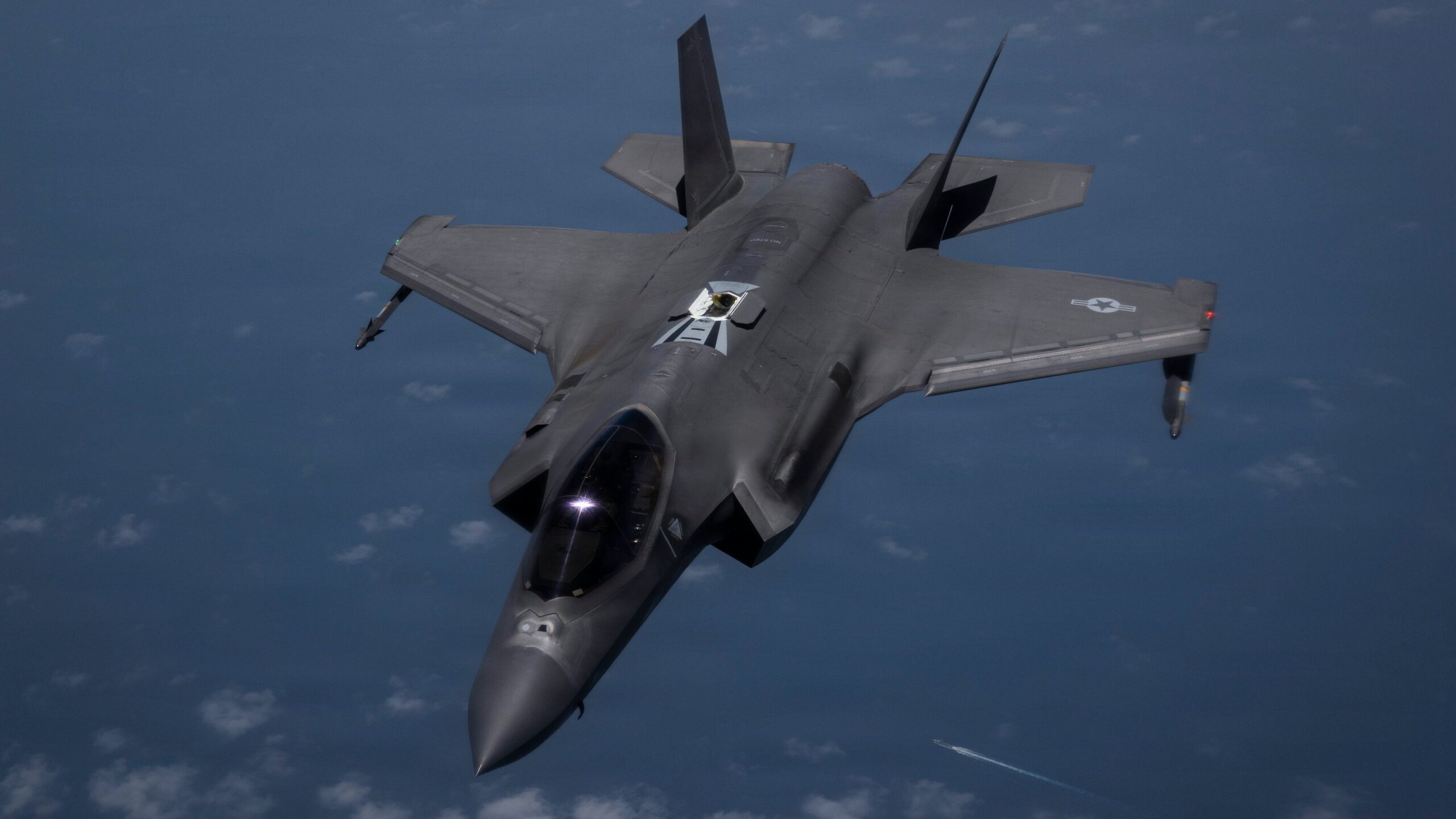

The US Armed Forces have completed a new wave of strikes against targets of the Islamic Revolutionary Guard Corps (IRGC) in Iran. According to the US Central Command CENTCOM, the strikes targeted, among other things, air defense positions, radar systems, maritime facilities, mine-laying capabilities, and communications infrastructure.
CENTCOM announced on Tuesday that the strikes were a response to recent attempts by the Revolutionary Guards to attack commercial vessels in the Strait of Hormuz as well as American soldiers.
“US forces struck Islamic Revolutionary Guard Corps targets, including air defense positions, radar systems, maritime assets and facilities, mine-laying capabilities, and communications infrastructure,” the US Central Command stated.
CENTCOM also emphasized that more than 50,000 American soldiers are currently stationed in the Middle East. The forces remain ready to carry out further operations ordered by the Commander in Chief.
A U.S. Sailor directs the takeoff of a UH-1Y Venom utility helicopter from the flight deck of USS Boxer (LHD 4) as the amphibious assault ship sails in the Arabian Sea enforcing the U.S. blockade against Iran. As of Sept. 1, U.S. forces have redirected 84 commercial vessels,… pic.twitter.com/c2ftqAnaIv
— U.S. Central Command (@CENTCOM) September 1, 2026
Iranian state media, meanwhile, reported explosions at several locations in the south and southwest of the country. According to the Jerusalem Post, explosions were reported in Bandar Abbas, Ahvaz, Aghajari, and Sirik, among other locations.
The new wave of strikes follows a renewed military escalation around the strategically important Strait of Hormuz. As early as Sunday, US forces had struck two Iranian missile launchers on the island of Larak. According to American reports, the launch systems had been prepared for an attack toward the strait. Iran responded with missile strikes against American forces and facilities in Jordan.
Following the latest US strikes, Tehran significantly expanded its response. The Revolutionary Guards declared that they had attacked American facilities in Jordan and northern Iraq. Bahrain and Kuwait also reported Iranian missile and drone attacks, respectively. In Jordan, the military said ten of 13 incoming missiles were intercepted; the remaining ones reportedly struck uninhabited terrain. Reports of American casualties were denied by the US side.
Reuters reported that this represents the most serious direct exchange of strikes between the United States and Iran in several weeks. The latest escalation is increasingly focused on control of the Strait of Hormuz, through which a significant share of the world’s oil supply is transported.
According to Iranian reports, the American strikes also resulted in civilian casualties. In Kuhestak, near Sirik, a building where people had gathered for a wedding celebration was reportedly hit. The Iranian Red Crescent reported five deaths, including one child, and dozens of injured. An independent confirmation of these reports was not initially available.
US President Donald Trump had already announced a strong response following the Iranian strikes over the weekend. After the latest wave of attacks, he again warned Tehran against further strikes on American forces.
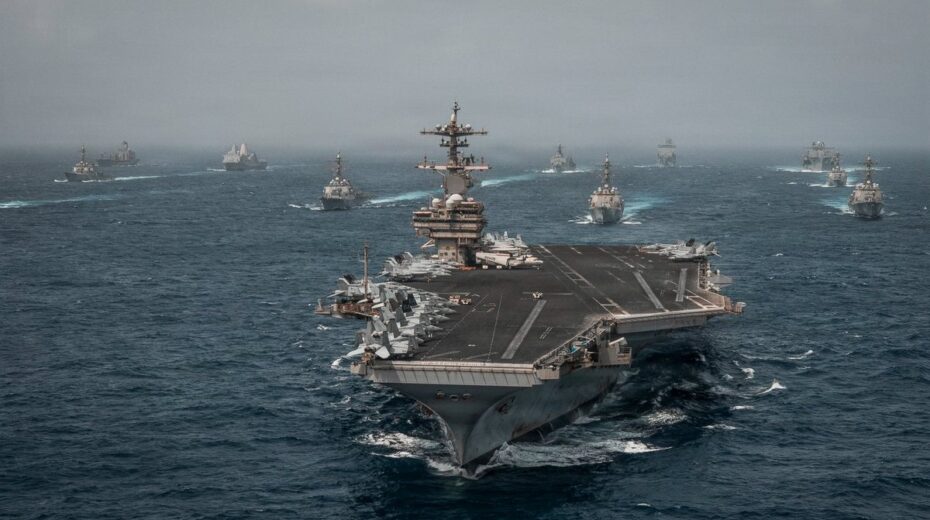
The confrontation is playing out primarily around the Strait of Hormuz. Iranian forces have repeatedly threatened or attacked commercial vessels in recent days and attempted to disrupt shipping traffic through the strait. Washington has consequently reinforced its military presence to secure the shipping lanes.
The renewed fighting shows that the period of relative calm between Washington and Tehran has come to an end for now. While the United States is attempting to enforce freedom of navigation through the Strait of Hormuz by military means, Iran is threatening further strikes against American facilities throughout the region.
Want more news from Israel?
Click Here to sign up for our FREE daily email updates