
The flow of goods into Gaza is about to drop by roughly half. According to Jerusalem, it wasn’t Israel’s decision.
Israel’s Coordinator of Government Activities in the Territories (COGAT), which oversees humanitarian affairs in Gaza, announced this week that Gazan merchants had decided to stop coordinating the entry of commercial goods. Those merchants, COGAT says, made the call themselves, citing Hamas’s demands and threats against them.
COGAT’s deputy spokesperson, Lt. Daniel Kantorovich, said the agency was acting on the merchants’ decision and could reverse it at their request. Israel, in other words, says the crossings are open. The merchants aren’t coming.
According to COGAT, Hamas is demanding 10,000 shekels per truck from Gaza’s traders, with threats against those who refuse. If supplies fall, I expect Israel to get the blame while Hamas’s extortion disappears from the story.
Money intended to help Palestinian families can also enrich the men threatening them. Leave Hamas free to tax trade and intimidate merchants, and the post-war aid bonanza could help secure its grip on Gaza for years.
https://t.co/KqCF7YfOyj
— Andrew Fox (@Mr_Andrew_Fox) October 16, 2026
The demands they reported are specific: a NIS 10,000 fee imposed by Hamas on each truck entering Gaza, and a requirement that 30% of all their sales in Gaza be carried out in cash.
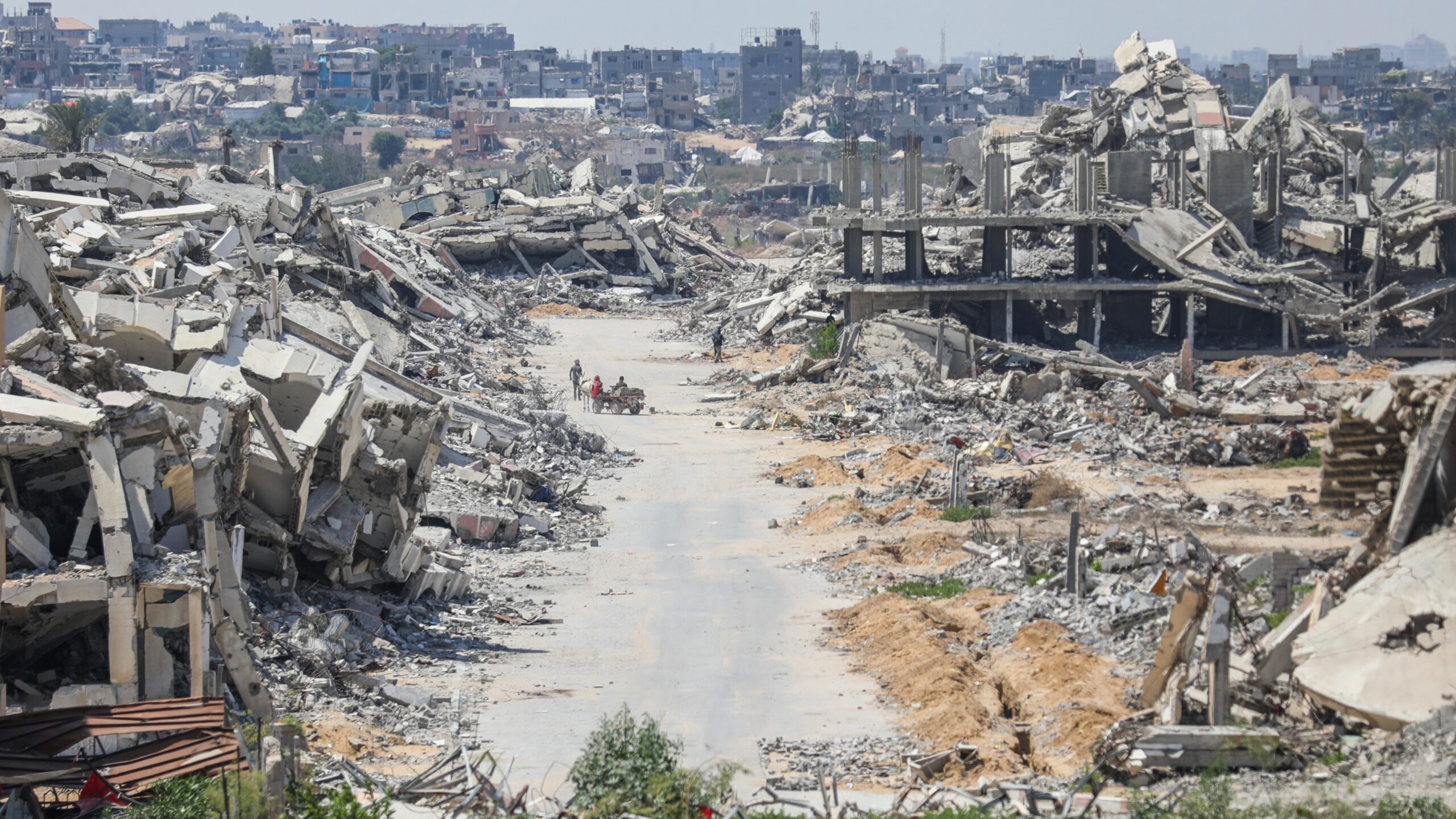
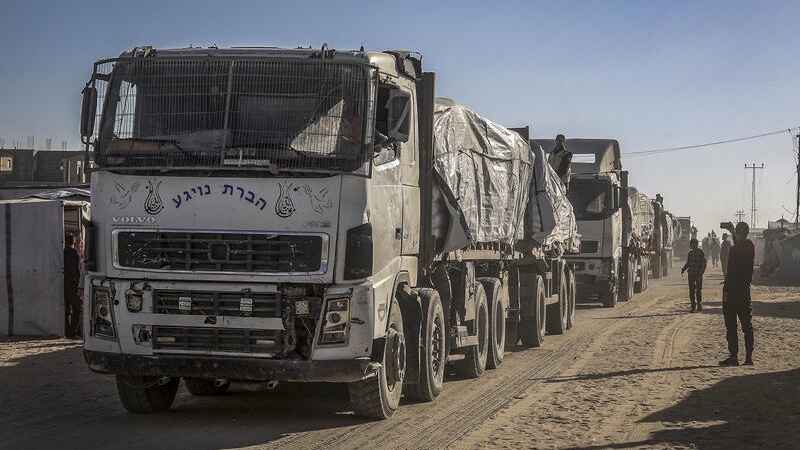
The cost is significant. COGAT said the merchants’ decision would cut the total number of trucks entering Gaza each day, aid and commercial combined, to around 300, or half.
COGAT went further, citing reports that Hamas security personnel had arrested the son of a merchant who refused to comply.
Humanitarian aid is still moving. Even Nahed Sheheiber, the head of Gaza’s truckers’ union, who claims it was Israel that halted the commercial shipments, admits that trucks carrying humanitarian aid had entered.
But aid convoys and merchants do different jobs. Aid groups generally bring in staples such as flour, while merchants import more perishable foods like fruits and meat. COGAT said the private sector accounted for roughly half of all trucks entering Gaza each week, making functioning markets essential to meeting Gaza’s needs.
Despite Hamas’s ongoing attempts to spread false narratives about alleged shortages in the Gaza Strip, particularly following protests by private-sector merchants against Hamas, the facts on the ground tell a different story: Gaza is flooded with humanitarian aid and food supplies.
Since the October 2025 ceasefire, over 2.2 million tons of food have entered Gaza.
Hundreds of aid trucks enter Gaza daily, with 70–80% carrying food.
Additionally, 41 bakeries produce over 3 million pitas daily, around 100 kitchens remain operational, and market food prices have dropped by 83%.Further evidence of food availability includes uncollected food boxes on Gaza’s streets, UN reports indicating an improved food situation, and a statement by the head of Gaza’s Bakers Association.
Despite Hamas’s attempts to falsely portray Israel as obstructing the entry of humanitarian aid into Gaza, COGAT will continue facilitating its entry, ensuring a steady flow of food and essential supplies.
Watch Major Ross, Deputy Head of COGAT’s International Relations Branch, show the hundreds of trucks carrying fresh food into Gaza daily.
— COGAT (@cogatonline) October 16, 2026
Tax or donation?
Hamas denies the whole thing. In a letter to mediators, it “categorically” denied imposing taxes or government fees on commercial trucks, and said it had not collected taxes or fees on commercial activity in the past three years of war.
But it did not deny the NIS 10,000 (USD $3,200) fee. It simply explained it away as a “community initiative,” a “voluntary” payment by Gazans.
Sheheiber confirmed, even as he was blaming Israel for the whole thing, that Hamas is asking local Gaza merchants to pay 10,000 shekels per truck. At a meeting of the Gaza private truckers’ union, Hamas official Khaled Al-Raqab insisted the payment was not as a tax, but rather a “donation” sought by the Gaza Ministry of Economy to help pay civil servants.
A voluntary donation has one defining feature: you can decline it. If Gaza’s merchants were free to say no, they could simply keep their shekels and keep importing. According to COGAT, they chose to stop importing instead.
Board of Peace reacts
Nickolay Mladenov, director-general of the Board of Peace overseeing President Donald Trump’s Gaza plan, received COGAT’s letter and condemned the intimidation of merchants and interference with commercial supply chains.
“As I have warned repeatedly, such practices are unacceptable and must end immediately,” he wrote.
Mladenov’s reaction bolsters the validity of COGAT’s version of events, in particular the fact that he had “warned repeatedly” over such behavior in the past. Gaza traders previously told the US-funded Alhurra network that the Hamas-run Economy Ministry subjects them to unexplained financial demands and sometimes seizes goods, with one merchant saying he paid millions of shekels to release his goods without receiving receipts.
Root of the problem
As long as Hamas is able to control and hijack every shipment into Gaza, the coastal enclave remains a terrorist-controlled territory, a threat to Israel, and a place where average citizens will never enjoy a normal life.
Mladenov stressed that the only remedy is the implementation of Trump’s plan, which includes the disarmament of Hamas and the group’s removal from power and replacement with a technocratic regime.
Israel continues to insist that won’t happen voluntarily. Someone will have to take Hamas’s guns.
Until that happens, the war is not over.
Want more news from Israel?
Click Here to sign up for our FREE daily email updates