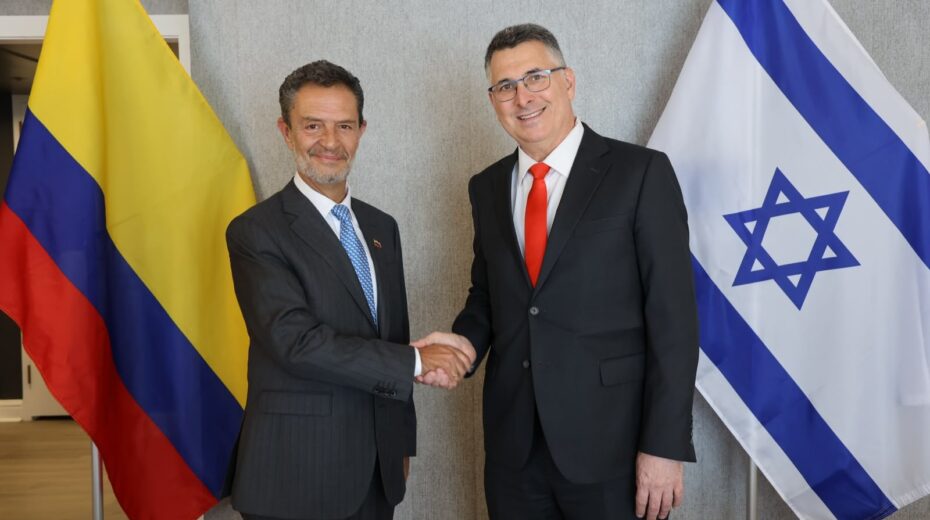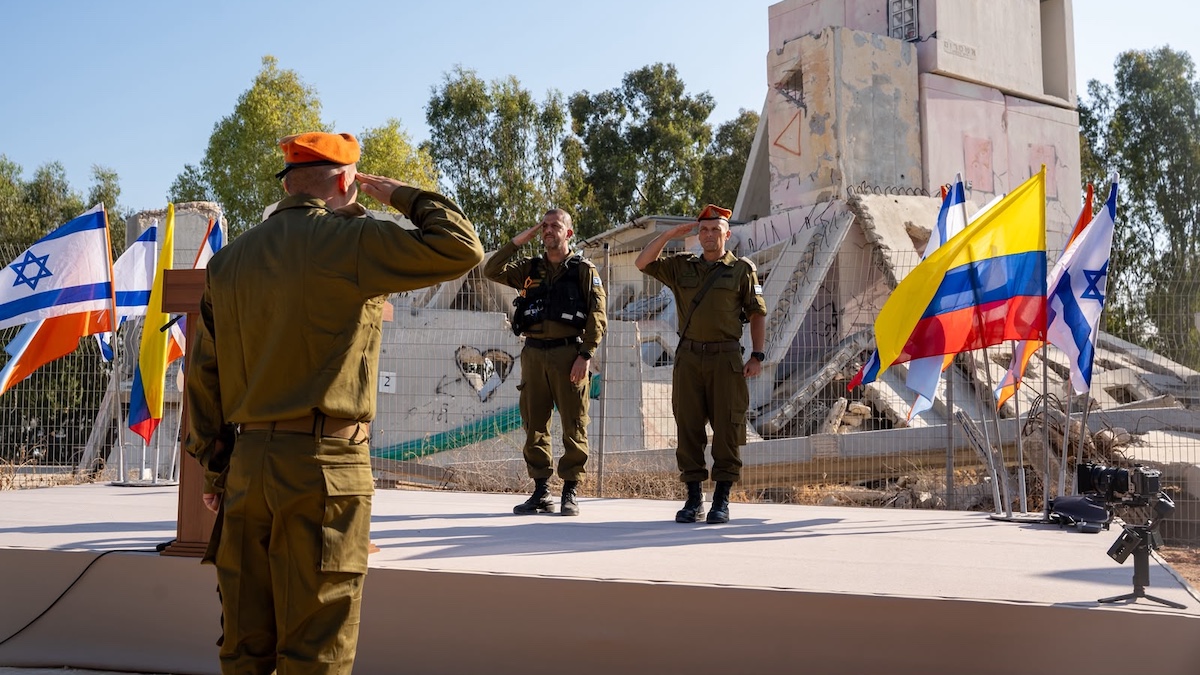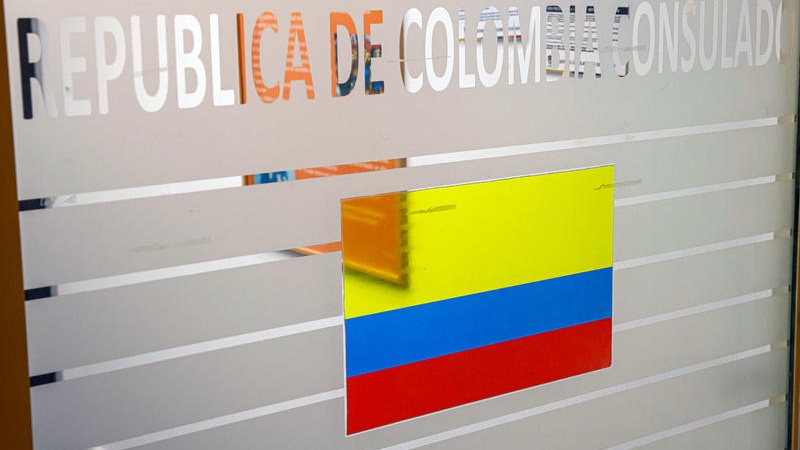

Colombia has recognized Israeli sovereignty over the Golan Heights, joining the United States in one of the strongest diplomatic gestures Jerusalem has received from Latin America in years.
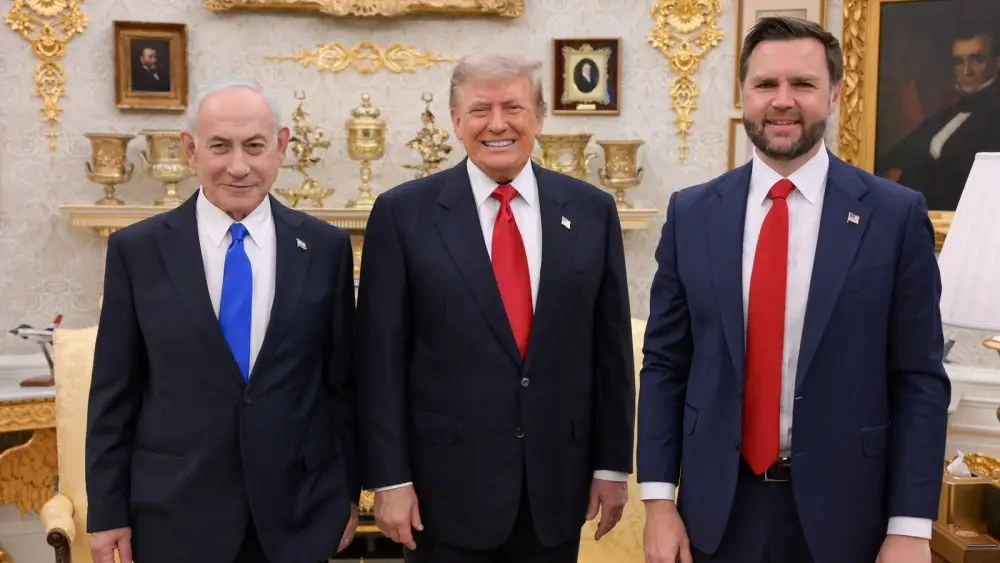
Foreign Minister Gideon Sa’ar called the move “historic,” saying it followed his meeting last week with Colombia’s newly elected president, Abelardo de la Espriella, during the presidential inauguration in Bogotá.
Mi amigo, @ABDELAESPRIELLA, quien asumirá mañana como presidente de Colombia, es un líder decidido e inspirador. Su elección es una gran noticia para su país, pero también para la relación entre Israel y Colombia. De la Espriella es un gran amigo del pueblo judío y del Estado de… pic.twitter.com/6HVLKj3LHM
— Gideon Sa’ar | גדעון סער (@gidonsaar) August 7, 2026
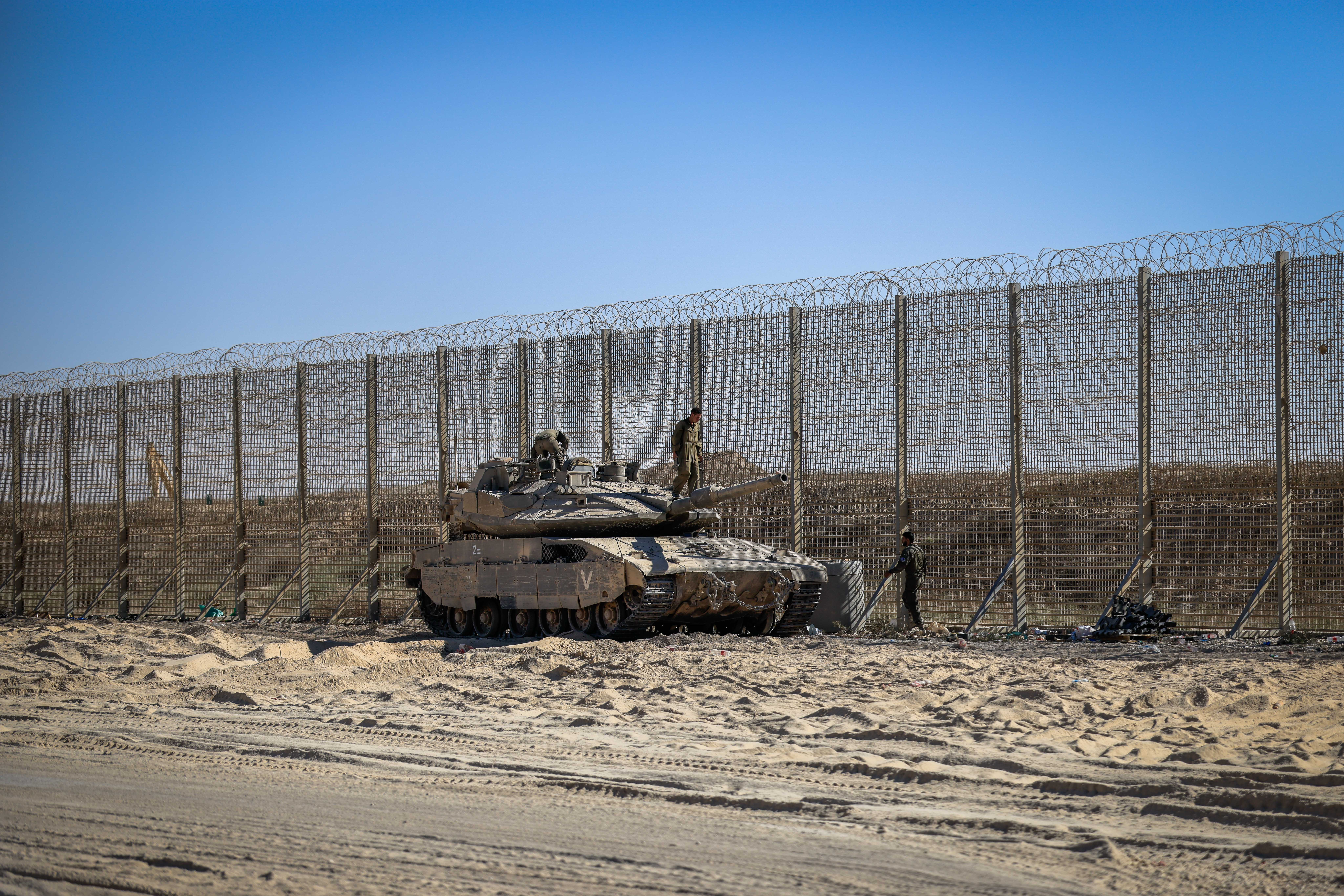
Colombia said its decision was rooted in the security reality Israel faces along its borders, especially after the Oct. 7 massacre and the regional war that followed. The Colombian government noted the strategic importance of the Golan Heights and recognized Israel’s right to defend itself against external threats.
The Syrian civil war, Iran’s entrenchment in Syria, and repeated threats from Hezbollah and other Iranian-backed forces have only reinforced Jerusalem’s insistence that the strategic high ground overlooking northern Israel is essential to national defense.
Arab nations, however, decried Colombia’s decision as a win for “occupation.”
Egypt, Qatar, Jordan, Kuwait, Saudi Arabia, and Syria all issued statements denouncing the move.
#Statement | The Foreign Ministry expresses the Kingdom of Saudi Arabia’s condemnation and denunciation of the Government of the Republic of Colombia’s recognition of Israeli sovereignty over the occupied Syrian Golan Heights. This step contravenes international law and relevant… pic.twitter.com/1RtovABBqX
— Foreign Ministry 🇸🇦 (@KSAmofaEN) August 11, 2026
Colombia’s decision regarding the Golan is part of a much broader diplomatic reversal.
Under former President Gustavo Petro, Bogotá broke relations with Israel during the war against Hamas and became one of Jerusalem’s fiercest critics in Latin America. De la Espriella campaigned on repairing that damage.
The new understandings between the two governments reportedly include full restoration of diplomatic ties, immediate appointment of ambassadors, relocation of Colombia’s embassy to Jerusalem, elimination of visa requirements, work toward a free-trade agreement, and Colombia’s withdrawal from South Africa’s case against Israel at the International Court of Justice.
Colombia also plans to leave the anti-Israel “Hague Group,” according to Israel’s Foreign Ministry.
Sa’ar said he will continue working to persuade other countries to follow Washington and Bogotá in recognizing Israeli sovereignty over the Golan.
The shift comes as Israel has designated 2026 the “Year of Latin America,” part of a wider push to rebuild and expand partnerships across the region.
For Jerusalem, Colombia’s move is a welcome sign that some countries remain willing to look at Israel’s security reality without the usual diplomatic fog.
Want more news from Israel?
Click Here to sign up for our FREE daily email updates