
It was supposed to be a hike that students would remember fondly. But near the Lebanese border, an explosion turned the trip into a catastrophe: A 14-year-old student died, and 24 other young people were injured. What happened next, however, also speaks of courage, friendship, and a sense of responsibility that suddenly became second nature even for teenagers.
When a field trip became a nightmare
Students from the ORT School in Ma’alot were traveling in northern Israel when unexploded ordnance detonated on Monday. Based on current findings, it was likely an explosive device from cluster munitions fired by the terrorist organization Hezbollah.
One of the teenagers had discovered the suspicious object. Apparently, he was unaware of the danger it posed. Then the explosion occurred. Within a matter of moments, nothing was as it had been before: students were injured, their friends needed help, and the adults had to cope with a situation that no one could have been prepared for.
Elazar Yair Wilensky did not survive the explosion. His classmates described him as a curious, intelligent boy who had a particular interest in military history and technology. A field trip that was meant to enable shared learning and experiences ended fatally for him.
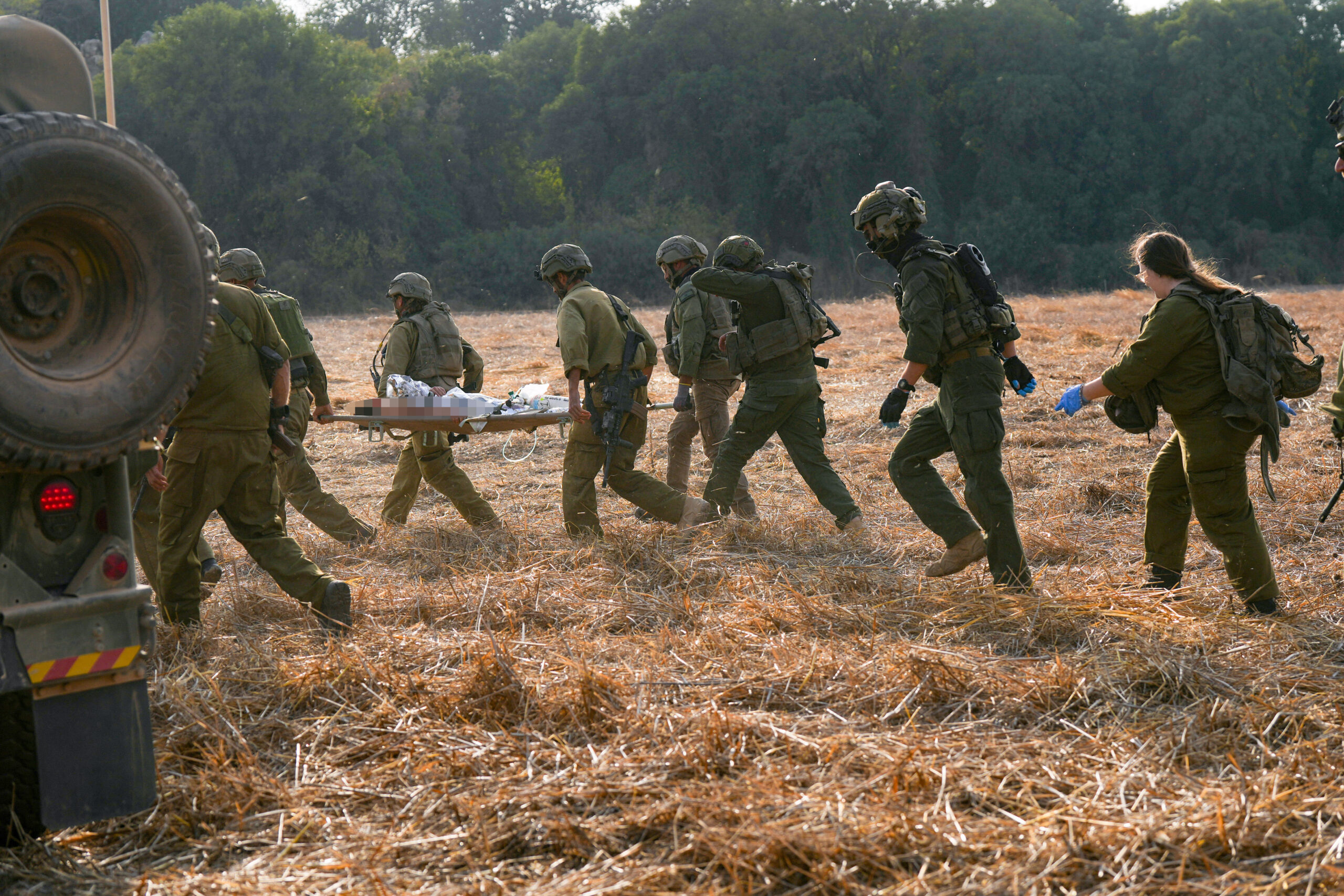
But while rescue workers were still on their way, the teenagers began helping one another.
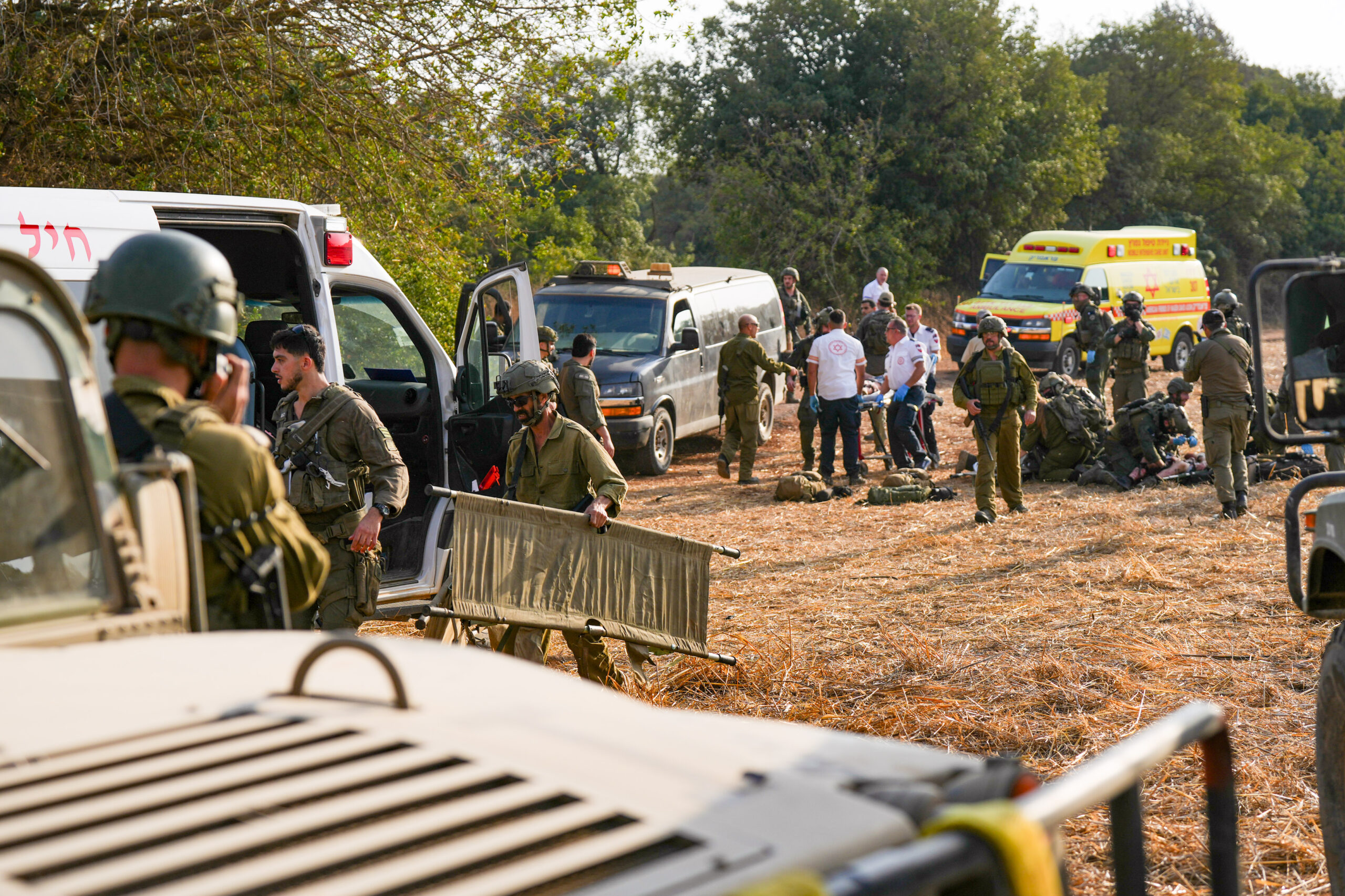
Israeli security and rescue forces search for additional unexploded ordnance in the area after helping the injured. Photo: Ayal Margolin/Flash90
Belts, socks, and the courage to be there for one another
Some students tried to stop the bleeding of their injured friends. What they lacked in medical equipment, they replaced with whatever they had on hand: belts, socks, and other items of clothing. They didn’t simply wait helplessly for professional help. They did what they could to protect their friends.
Yair Frankenthal, 15, himself injured and a volunteer with the Israeli emergency medical service Magen David Adom, tended to his classmates. When he noticed that a seriously injured boy appeared to have no pulse, he began performing resuscitation measures. He applied the knowledge he had gained through his training as a youth volunteer.
Another student called his father via video call. His father explained how he could try to stop the bleeding, while simultaneously helping to alert rescue services.
When members of the local civil defense group arrived at the scene of the accident, they found teenagers holding their injured friends, caring for them, and supporting one another. One of the rescuers later recounted, visibly moved, how the boys had tried to help each other until the paramedics arrived.
In the midst of this terrible event, something emerged that gives hope: the students did not think of themselves first. They saw their injured friends and tried to help — with the knowledge they had and with the few things available to them.
The questions surrounding responsibility for the field trip and the dangers posed by abandoned munitions must now be addressed. Because explosive remnants of past fighting can continue to threaten human lives long after the battles have ended.
Elazar will not return. But his classmates will likely remember forever what happened that day — and how, in a situation that overwhelmed them, they were there for one another.
Want more news from Israel?
Click Here to sign up for our FREE daily email updates