
While Israel fights for its survival against Iran and its regional proxies, it is also doing something equally telling closer to home: building.
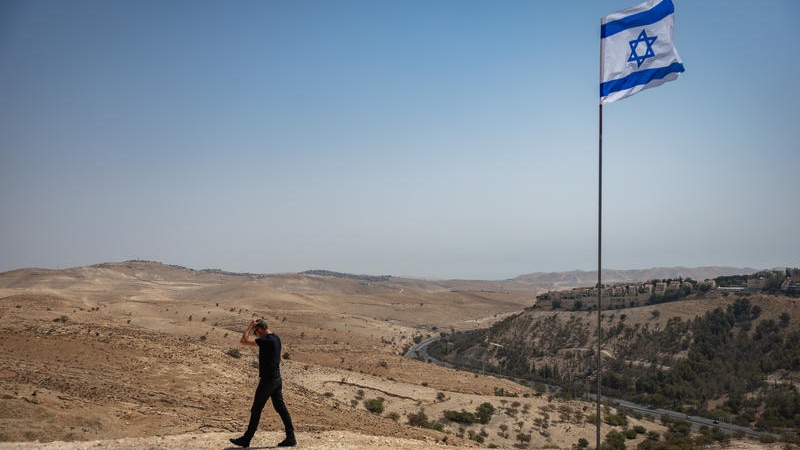
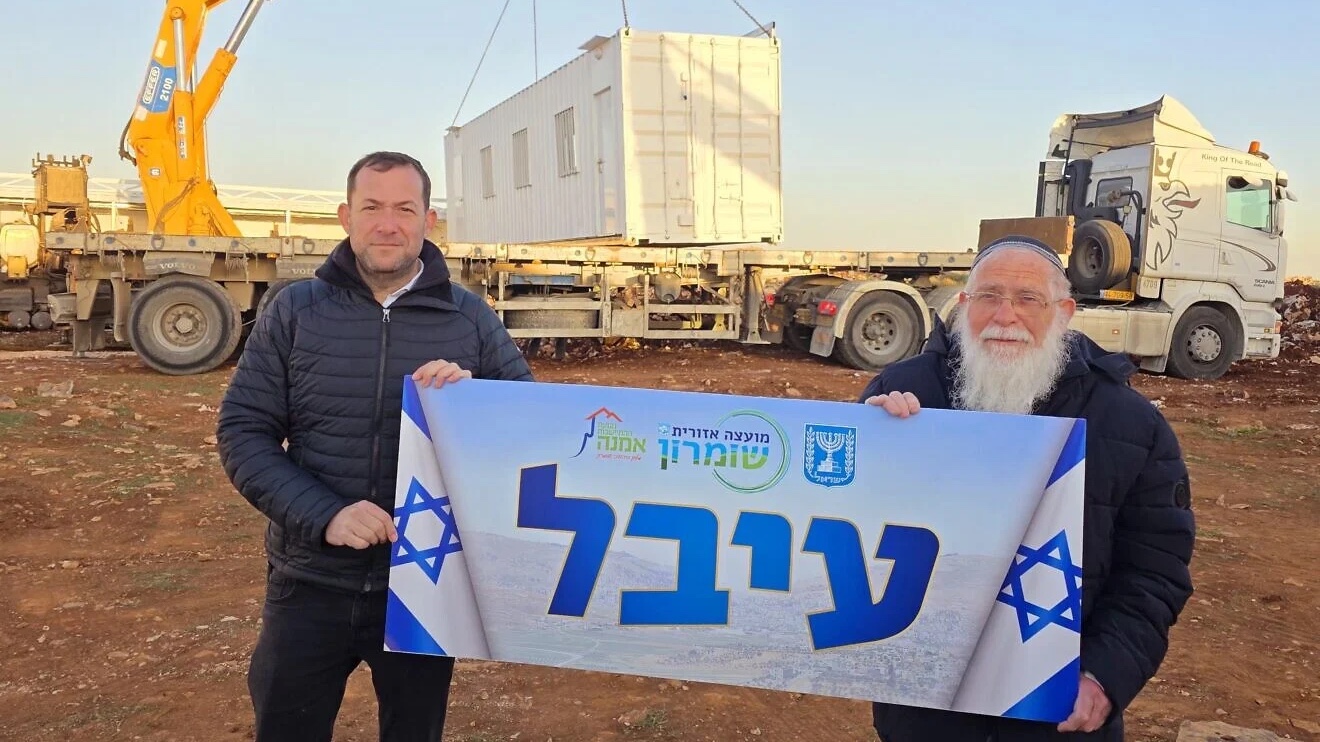
This week, the first Jewish residential structures were erected on Mount Ebal in central Samaria, near biblical Shechem—today’s Nablus—marking the first stage in the establishment of a new community on one of the most symbolically charged sites in the Land of Israel.
The move was carried out by the Samaria Regional Council together with the Amana movement, following the Israeli government’s earlier approval of a new community at the site and after the relevant jurisdictional and ministerial steps were completed. Initial residents are expected to establish an agricultural yeshivah as a branch of the Alon Moreh hesder yeshivah, with families to follow.
Mount Ebal is not just another hilltop. It is the mountain named in Deuteronomy as the site associated with the covenantal curses, opposite Mount Gerizim, where the blessings were proclaimed. It is also identified with Joshua’s Altar—the place where Joshua, after entering the land, built an altar to the God of Israel and read the law before the nation. In biblical terms, this is not peripheral terrain. It is covenantal ground.
That is precisely why the development is so significant.
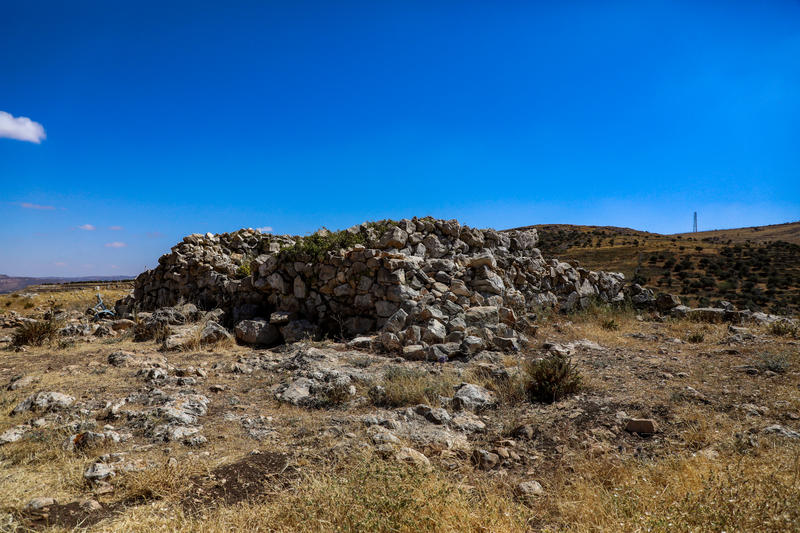
The remains of what archaeologists believes to be the altar of Joshua described in the book of Deuteronomy. Photo by Nasser Ishtayeh/Flash90
In an era when Israel is pressured to think only in terms of temporary ceasefires, emergency responses and international optics, Mount Ebal is a reminder that the Jewish story in this land did not begin in 1948, and it does not depend on foreign approval in 2026. The battle for Israel is not only military. It is civilizational, historical, and spiritual. And that battle includes whether the nation continues to build in the places where its identity was first formed.
Samaria Regional Council head Yossi Dagan described the moment as one in which those present could “feel the wings of history beating.” Behind the rhetoric is a serious point: Jewish return to places like Mount Ebal is prophetic restoration.
The site also carries a strategic dimension. The new community rises near an area long associated with attempts by the Palestinian Authority to damage or erase an important biblical and archaeological heritage site.
There is a broader lesson here too. Even as Israel confronts an Iranian axis bent on encirclement, missile fire, and regional destabilization, it is still affirming something deeper than battlefield necessity: that national endurance requires rootedness. A people that only fights and does not build eventually forgets what it is fighting for.
On Mount Ebal, Israel has made the opposite choice.
It is fighting in the present, while laying claim to the future—on a mountain where the covenant was once read, and where Jewish life is now rising again.
Want more news from Israel?
Click Here to sign up for our FREE daily email updates