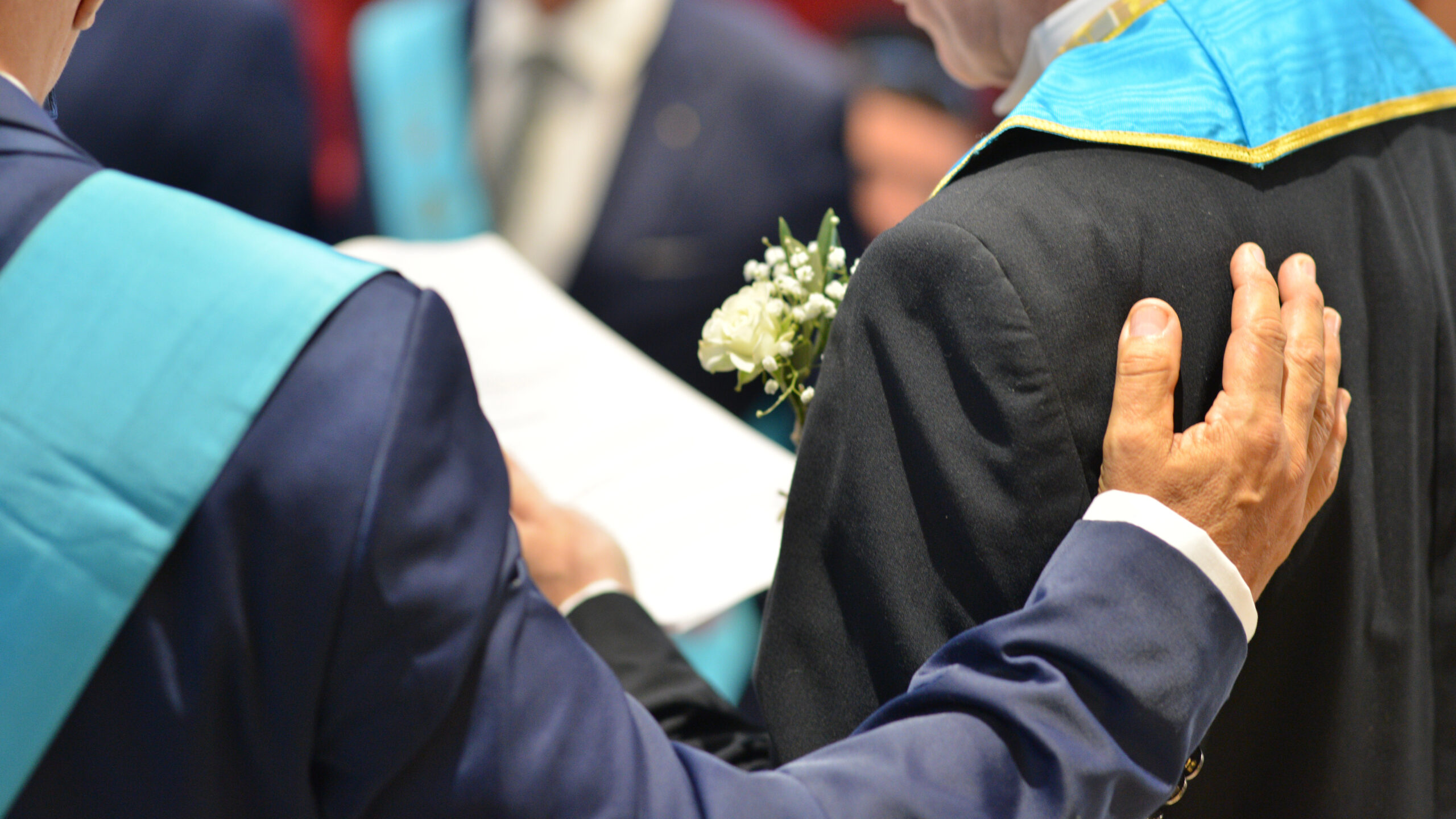

One of the most perilous factors that greatly harmed the International Hebrew Christian Alliance (IHCA), established in London in September 1925, was the involvement of its leadership in Freemason activities. This took place during the period between the two World Wars, particularly in Scotland and in Eretz-Israel, then known by the name “Palestine.” Ongoing practical connections with Freemason lodges inevitably influenced the state of mind and the decision-making process of all those who were deeply involved in Masonic brotherhoods and principles.
The ‘truth’ of the Masonic fraternities is far away from the divine truthfulness within the teachings of the Lord Yeshua and the guidance Holy Spirit. Within the Freemason clubs they focus on a system of philosophical degrees, symbols, charitable work and secret rites and signs. They uphold a belief in an unclear Supreme Being without centering on the absolute Biblical YHWH, not to mention God the Father and His Son Yeshua.
In the second half of the 19th century, and also during the 20th century, as well as until our own days, to belong to the...
Become a Member
-
Read all member content
Get exclusive in-depth reports from Israel.
-
Get exclusive in-depth reports from Israel
Connect with Israel, right from your home.
-
Lift up the voice of truth and hope
Support Jerusalem-based Zionist journalism.

Already a member? Login here.