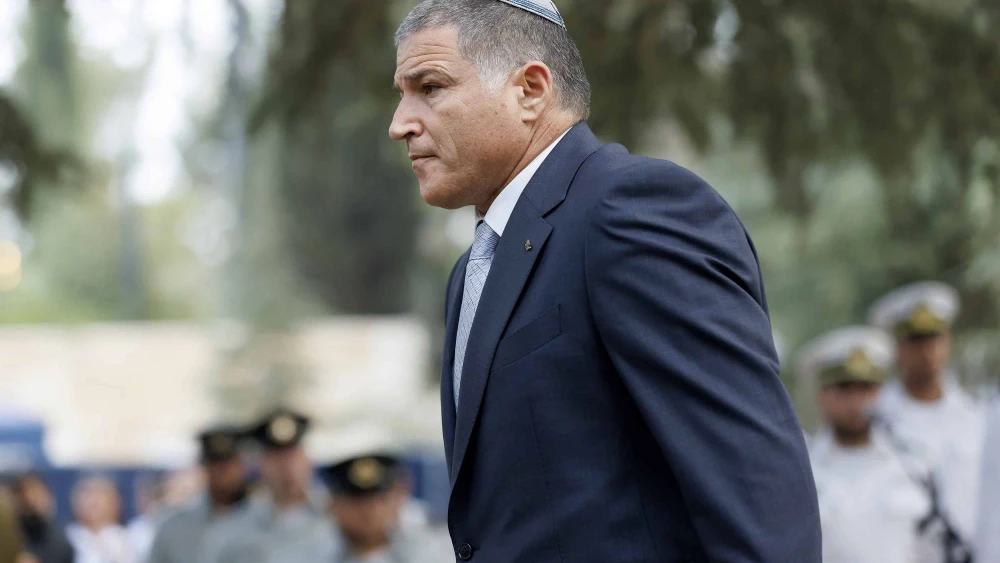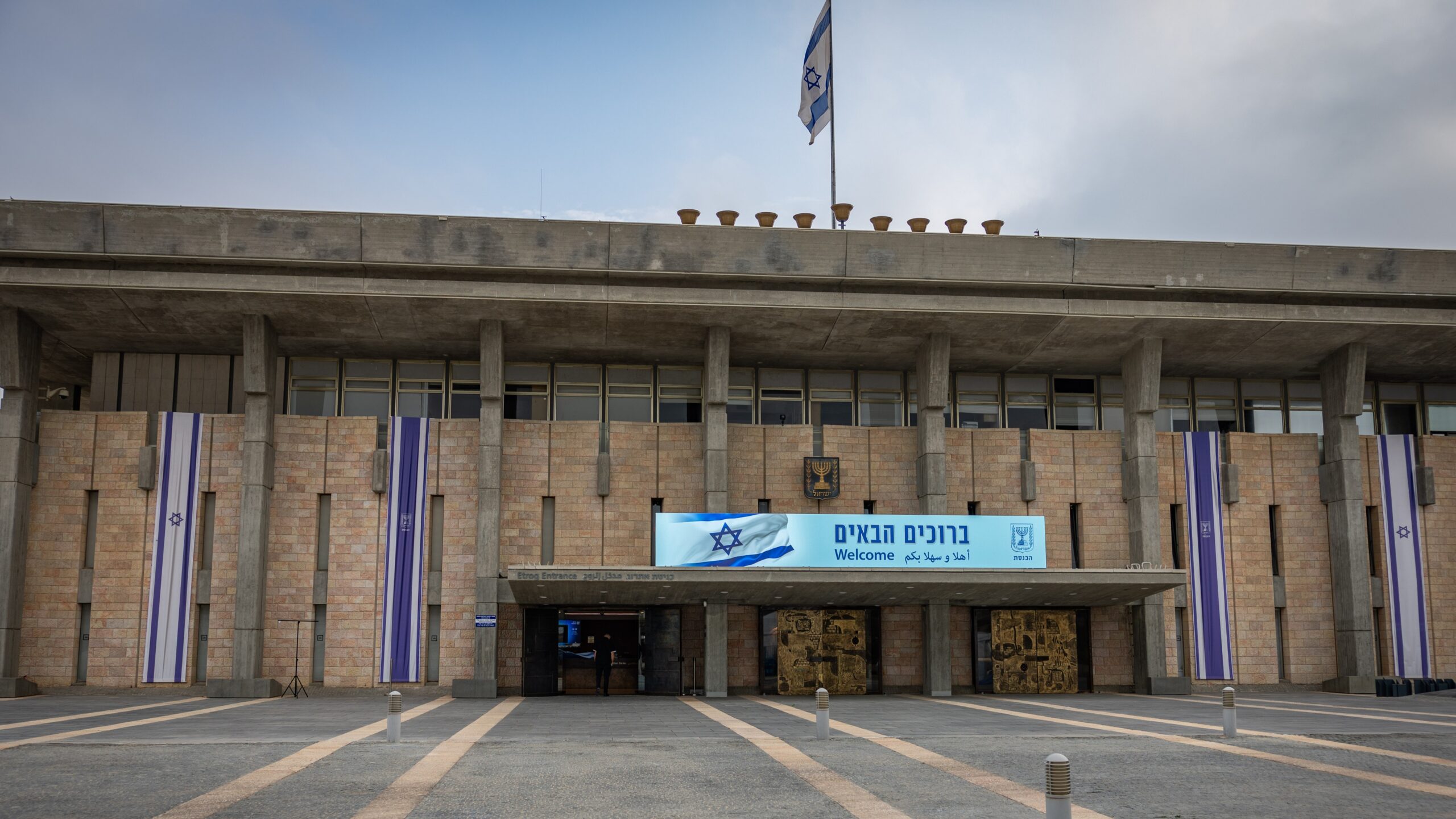

Following the Knesset elections in Israel, a new political constellation is taking shape. During consultations with President Isaac Herzog, 67 of the 120 Knesset members voiced their support for Gadi Eisenkot as the next Prime Minister. Incumbent Prime Minister Benjamin Netanyahu, by contrast, received the backing of 46 members of parliament. Seven parliamentarians did not recommend either candidate.
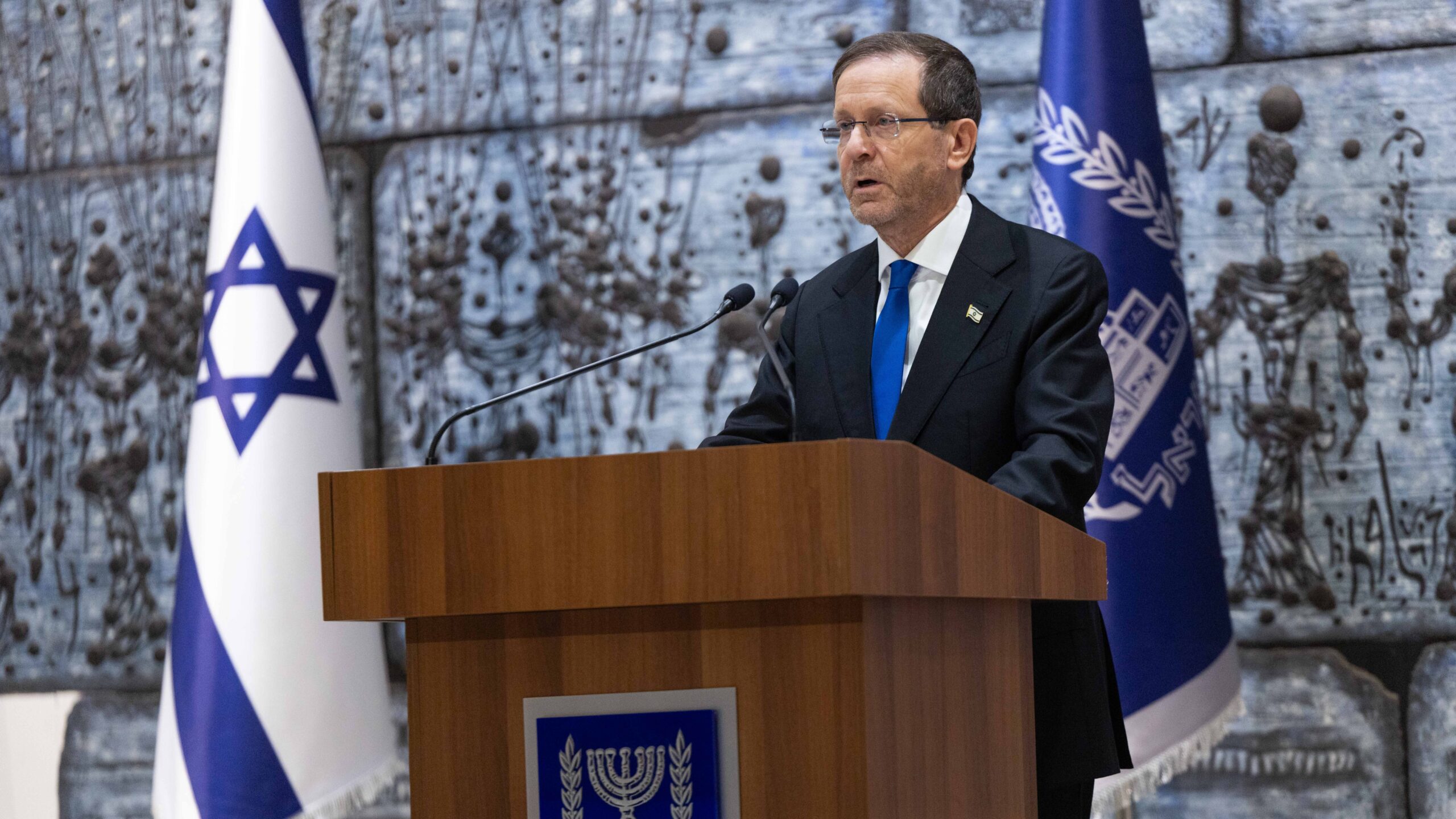
Herzog announced the results on Thursday evening following the conclusion of his talks with the factions of the newly elected 26th Knesset. As the Israeli Presidential Office officially announced, he intends to decide on the coming Sunday, November 8, which member of parliament he will task with forming the next government.
The numbers initially favor Eisenkot, the leader of the Yeshar party. However, the support of 67 members of parliament does not yet mean that they are also willing to form a government together.
Herzog warns against drawing premature conclusions
The president made clear that the recommendations alone would not be decisive. His task, he said, is to select the candidate who is actually capable of forming a government.
Although the results of the consultations appeared clear-cut at first glance, the situation is by no means straightforward due to mutual vetoes between political camps and within individual blocs, Herzog explained.
He announced further personal talks with party leaders to explore the possibilities of forming a government. His goal, he said, is a stable government for Israel.
Arab parties back Eisenkot
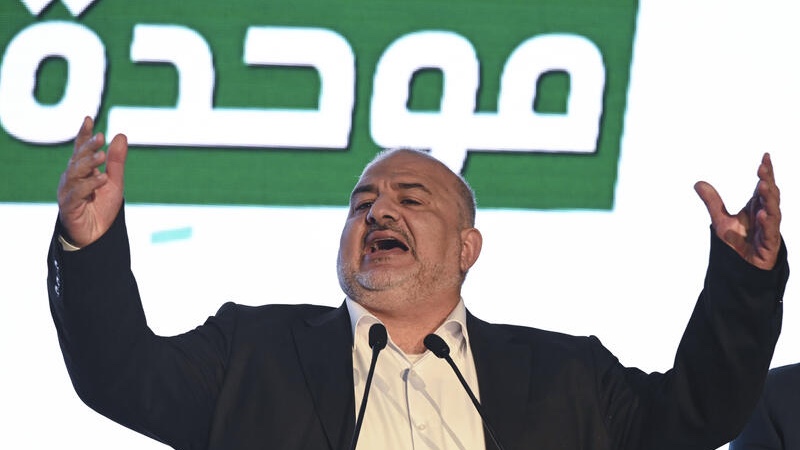
Decisive for Eisenkot’s lead were the recommendations of the Arab parties. Both the United Arab List Ra’am under Mansour Abbas and the Joint List declared themselves in favor of tasking Eisenkot with forming a government.
In the election on October 27, the parties of Netanyahu’s former camp had won a combined 53 seats. The political camp led by Eisenkot secured 48 seats, while the Arab parties received a total of 19 seats.
While the support of the Arab parties now gives Eisenkot a majority in the recommendations to the president, it does not automatically translate into a joint governing coalition. In particular, the question of whether and in what form the Arab parties could support a future government remains open.
Netanyahu loses support from within his former camp
The outcome of the consultations is also noteworthy for Netanyahu because not all parties from his former political camp supported his candidacy.
The ultra-Orthodox party United Torah Judaism (UTJ), which had won seven seats, refrained from recommending a candidate for the office of Prime Minister. As a result, Netanyahu received only 46 recommendations, even though his political camp had won a total of 53 seats in the election.
As the Israeli newspaper Israel Hayom reports, the ultra-Orthodox party declined to recommend Netanyahu. The seven members of parliament could play an important role in the upcoming coalition negotiations.
At the same time, new coalition possibilities are being discussed. According to media reports, Yisrael Beiteinu leader Avigdor Liberman expressed openness to talks about possible cooperation with ultra-Orthodox parties. Whether a political agreement can emerge from this remains uncertain for now.
Decision on Sunday – coalition negotiations to follow
Once Herzog has officially tasked a candidate with forming a government, that candidate will initially have 28 days to assemble a coalition. The president may extend this deadline by a further 14 days.
Until a new government is formed, Netanyahu will remain in office as acting Prime Minister. Should no candidate succeed in organizing a parliamentary majority, Israel could once again face a political deadlock, which would ultimately necessitate further elections.
The coming days are therefore likely to be decisive for Israel’s political future. While Eisenkot has the backing of 67 Knesset members, this majority is only made possible through the recommendations of the Arab parties. Forming a government with their participation or support represents a particular challenge given the political differences between the parties. Whether Eisenkot can translate this numerical majority into a workable coalition will be determined by the negotiations ahead.
Want more news from Israel?
Click Here to sign up for our FREE daily email updates