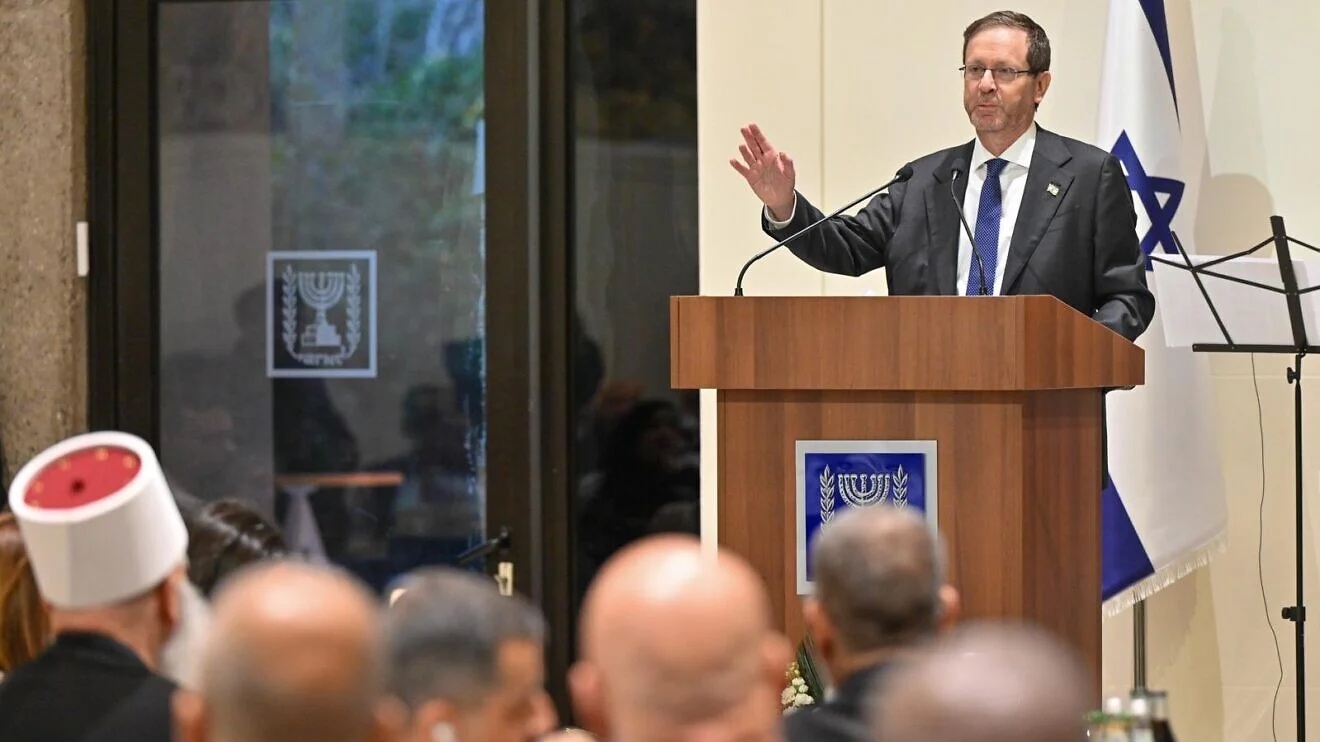

President Isaac Herzog used a Ramadan Iftar at the President’s Residence in Jerusalem to push a clear regional thesis: the Abraham Accords are not a one-off diplomatic trophy, but a blueprint—and expanding them is in everyone’s interest. The condition, he insisted, is strategic coherence against Iran.
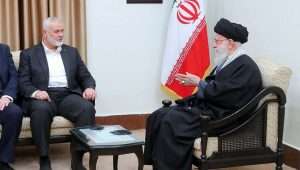
“I call for strengthening the place of the Abraham Accords in all spheres,” Herzog said, urging deeper cooperation and expressing hope that additional countries will join. But he paired the optimism with a hard line: peace and prosperity are “within our reach” only if the region “stands together against the perpetrators of terror, particularly from Tehran.”
The setting mattered. The annual Iftar meal—marking the breaking of the Ramadan fast—brought together diplomats, religious figures, and leaders from Arab Israeli society. Attendees reportedly included representatives from the United Arab Emirates and Bahrain, ambassadors from Azerbaijan, Kazakhstan, Uzbekistan, Côte d’Ivoire, and Tanzania, along with diplomatic representatives from Chad and Nigeria, and the UN’s Special Envoy to the Middle East.
Herzog said normalization with Israel had the power to cause a civilizational realignment. The “shared Abrahamic roots between Judaism and Islam,” he said, form the foundation for relations between Israel and Muslim-majority countries.
The sentiment, while common in Israel, ignores Islamic doctrine that sees it as superseding Judaism and God’s covenant with Israel, and the Jewish people as an obstacle to the ultimate redemption. Belief that “shared Abrahamic roots” between the two faiths are a foundation for coexistence has been likened to thinking that the Jewish nation can ever have a positive relationship with Christian sects built upon the teachings of Replacement Theology.
Even if the religious foundation for coexistence isn’t as solid as some might like to think, Israel argues that cooperation today is possible with those who focus on shared interests. In particular, the past few years have demonstrated that the region’s short-term future is no longer hostage to a Palestinian veto, nor to the old fantasy that rejectionism, as embodied by the Palestinian movement, can be rewarded into moderation. Instead, shared interests—security, trade, energy, technology, stability—create a durable basis for cooperation. That is, if Iran’s regime and its disruptive proxy network can be curbed.
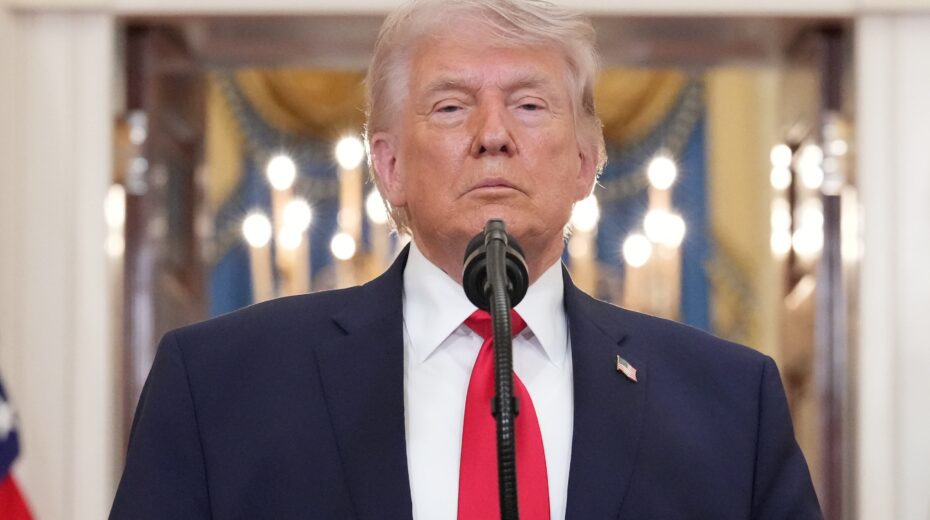
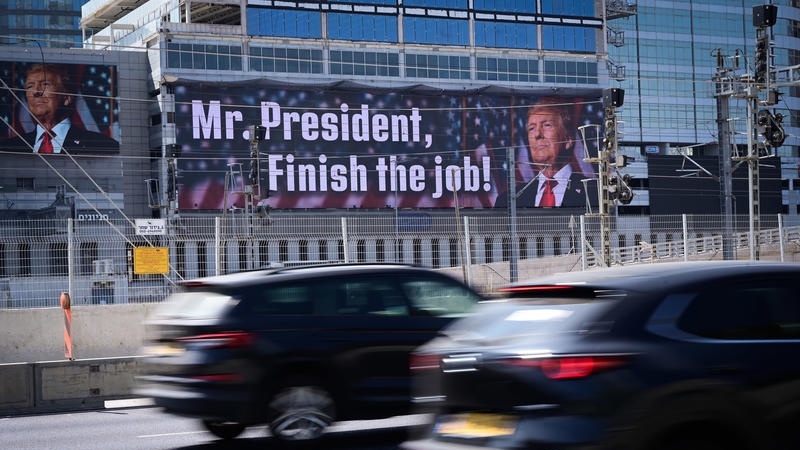
Herzog also tied the moment to US leadership, describing the region as standing at the threshold of a new era “led by” President Donald Trump’s peace efforts. Whether one agrees with the framing or not, the message was straightforward: Washington’s posture matters, and so does regional alignment with it.
Herzog closed with a softer, symbolic appeal to those present: to demonstrate “there is no hatred between the children of Abraham,” and to build a diverse regional model that others can follow.
Want more news from Israel?
Click Here to sign up for our FREE daily email updates