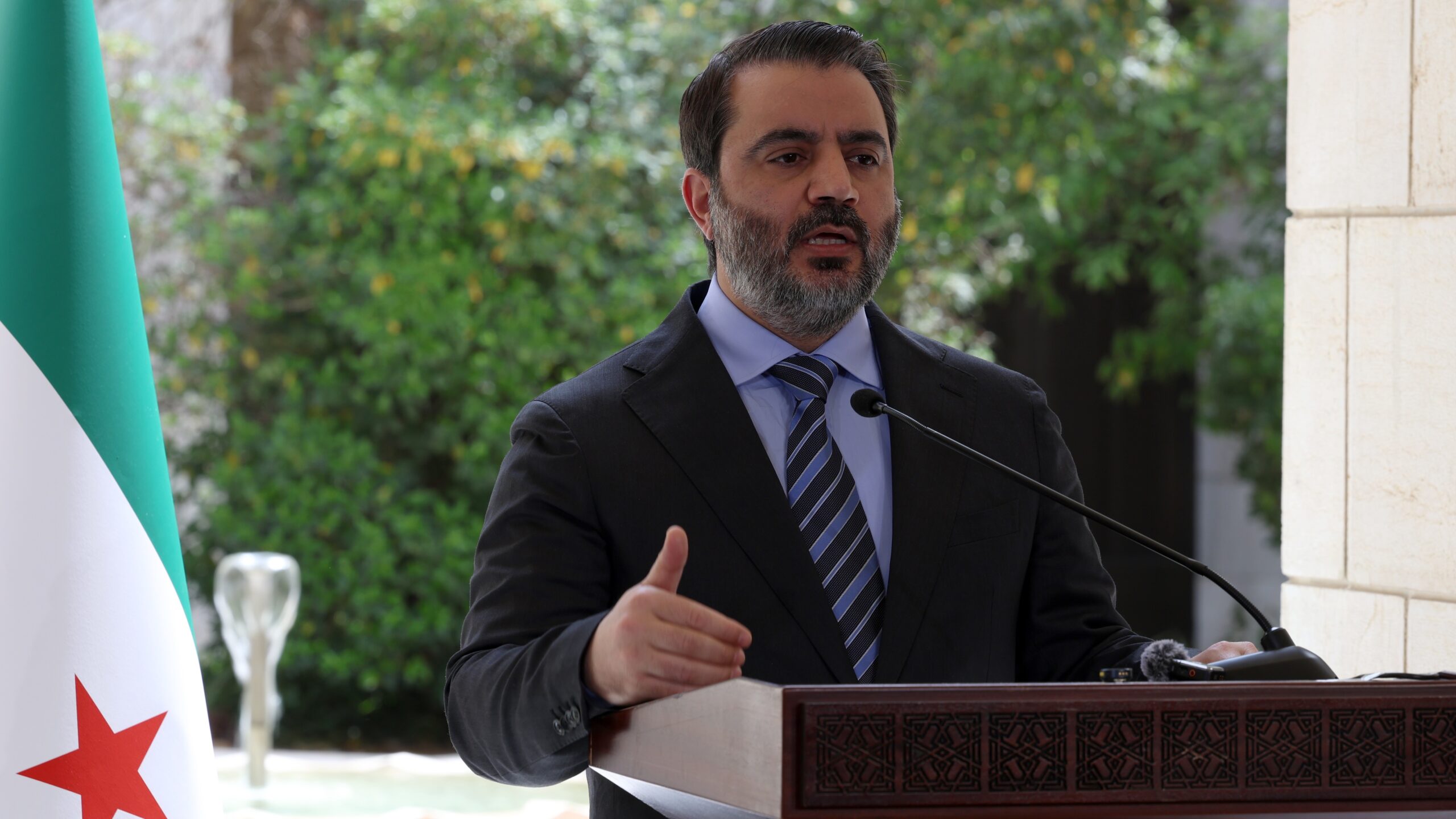

Israel and Syria held high-level talks in Jordan on Sunday. The meeting took place under American mediation and was aimed at exploring ways to de-escalate tensions and resume negotiations on a security agreement following recent Israeli airstrikes in Syria.
The Syrian state news agency SANA confirmed the meeting, citing a diplomatic source at the Foreign Ministry in Damascus. According to the report, the Syrian delegation was led by Foreign Minister Asaad Hassan al-Shaibani. It also included the heads of Syria’s General Intelligence Directorate and Military Intelligence. A high-ranking delegation participated on the Israeli side.
According to consistent media reports, the Israeli delegation was led by Mossad chief Roman Gofman. Gofman had already spoken with al-Shaibani last week about the growing Turkish military presence in Syria.
The trigger for the latest tensions was the Israeli strike on the Abu al-Duhur military airfield in the northwestern province of Idlib in the early hours of last Tuesday. According to Syrian reports, the base’s runway was hit in eight strikes. No casualties were reported. Israel later confirmed it was behind the attack.
Defense Minister Israel Katz stated over the weekend that the Israeli military had repeatedly recommended striking the base based on concrete intelligence. According to the Israeli account, there were indications that Turkey intended to expand its military activities at the airfield. Before the strike was authorized, Israel directly warned Syria’s leadership at the highest level while simultaneously informing the United States of the available intelligence. After the warning went without an adequate response, Katz and Prime Minister Benjamin Netanyahu approved the strike.
Damascus, however, denies that a permanent Turkish military presence was to be established at the base. Al-Shaibani confirmed that Turkish officers had visited Abu al-Duhur prior to the Israeli strike, but stated that the visit served merely to support existing military cooperation in training and the exchange of experience. Ankara also denied any plans to station Turkish forces at the base.
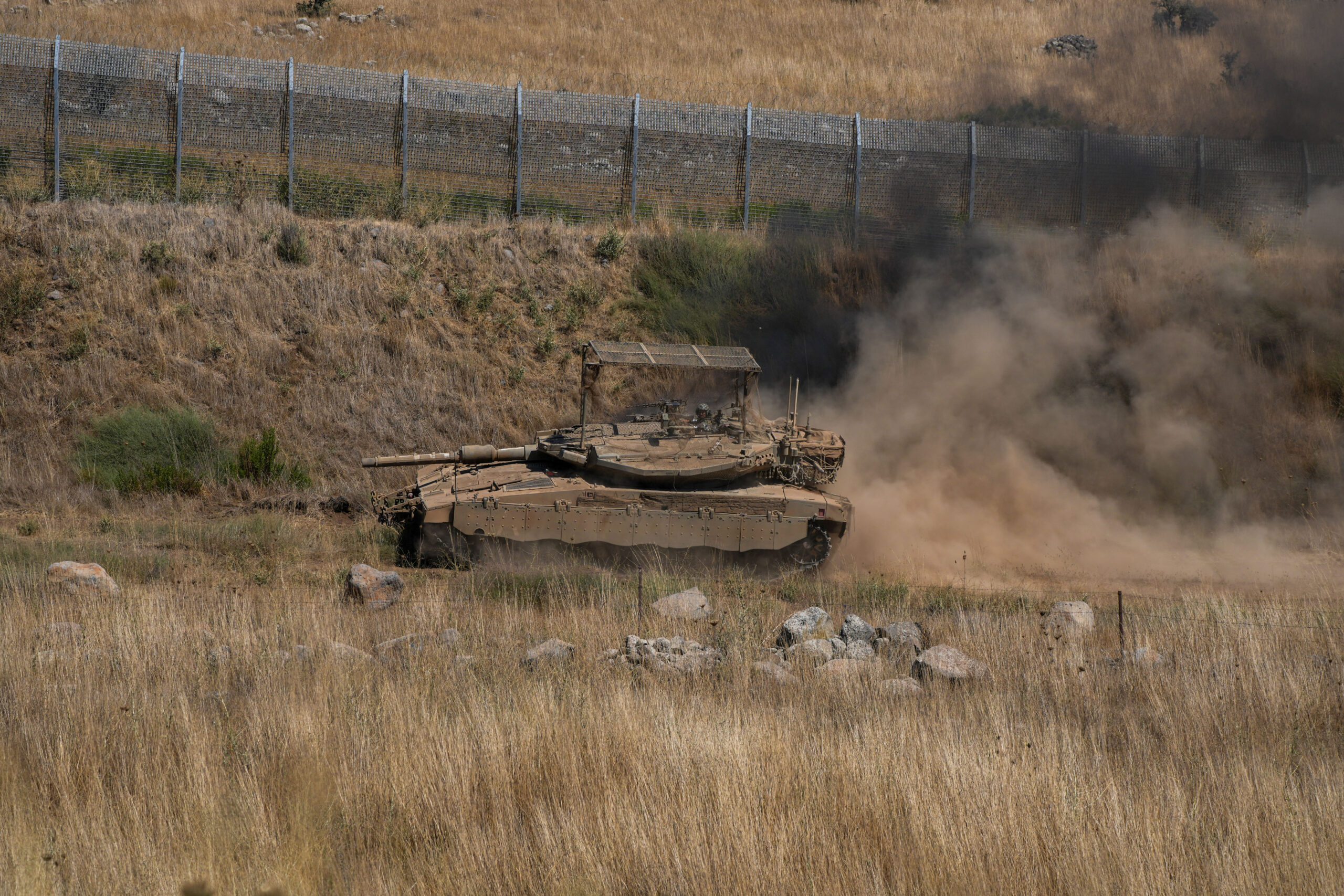
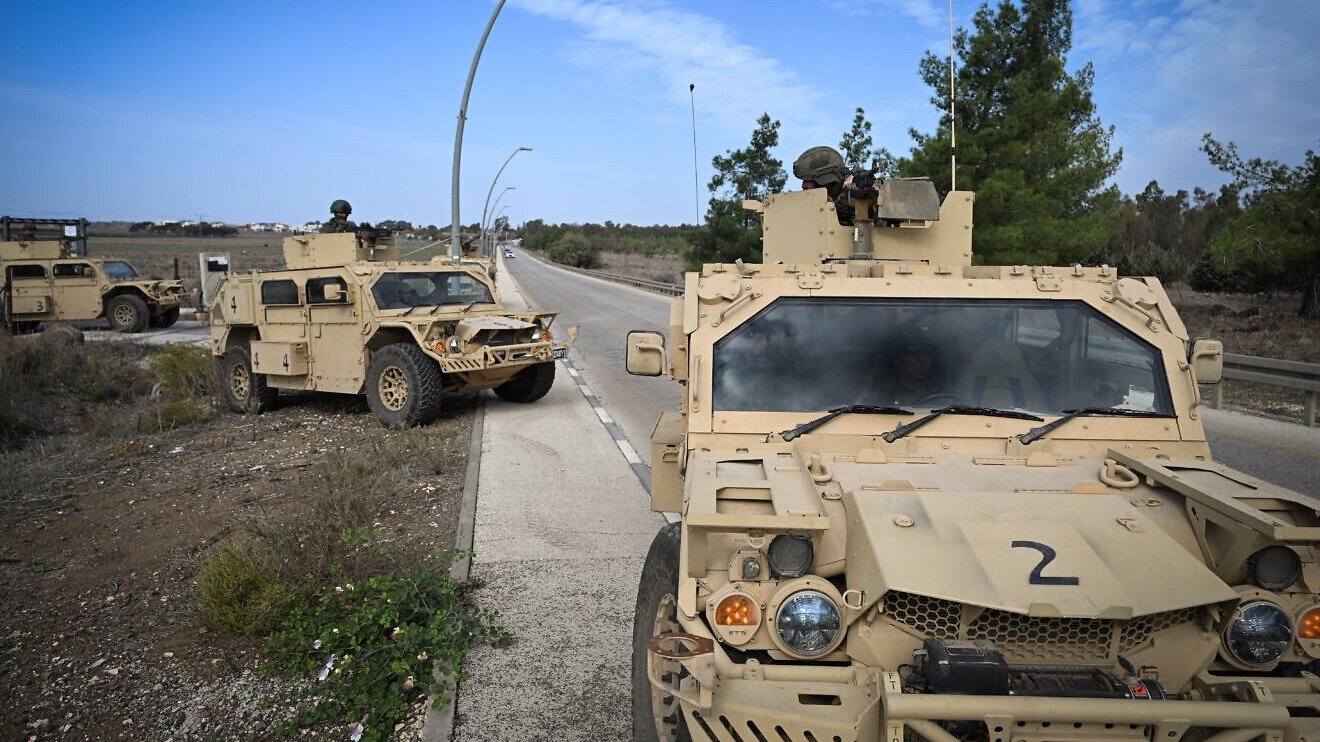
An Israeli tank patrols along the border with Syria on the Golan Heights, August 20, 2026. Photo: Ayal Margolin/Flash90.
See also: Israel and Turkey at a historic low — but neither side wants a war
According to Damascus, the talks in Jordan focused primarily on establishing practical mechanisms to prevent further military incidents. At the same time, the previously stalled negotiations on an Israeli-Syrian security agreement are to be revived. The Syrian side is demanding an end to Israeli strikes as well as an Israeli withdrawal from areas of Syrian territory that Israeli forces have occupied since the fall of the Assad regime at the end of 2024.
The United States is also working on a communication mechanism between Israel, Syria, and Turkey designed to prevent misunderstandings and unintended military confrontations. The goal would be to coordinate military activities by the various parties in Syria at an early stage. However, no final agreement on such a mechanism has yet been reached. Al-Shaibani stated that Damascus wants to ensure that such a model does not merely entrench the current state of affairs.
The Syrian foreign minister also struck a cautious tone regarding relations with Israel. “We do not trust Israel at this time,” he said in an interview. Nevertheless, Damascus considers further contacts necessary. According to him, both sides had already reached broad agreement on numerous points during earlier negotiations on a security agreement. Those talks, however, had stalled following the latest regional confrontations and ultimately after the strike on Abu al-Duhur.
For Israel, beyond the situation along the shared border, the role of Turkey is increasingly coming into focus. Ankara is one of the new Syrian leadership’s most important backers and is involved in building up and training the Syrian armed forces. Jerusalem, however, wants to prevent this from resulting in a permanent Turkish military infrastructure extending to the vicinity of the Israeli border.
The meeting in Jordan also demonstrates that both sides remain committed to a direct or American-mediated channel of communication despite the recent military confrontation. Whether this will actually lead to a security agreement now depends above all on whether Israel and Syria can find an arrangement regarding the Israeli military presence in southern Syria and the growing role of Turkey.
Want more news from Israel?
Click Here to sign up for our FREE daily email updates