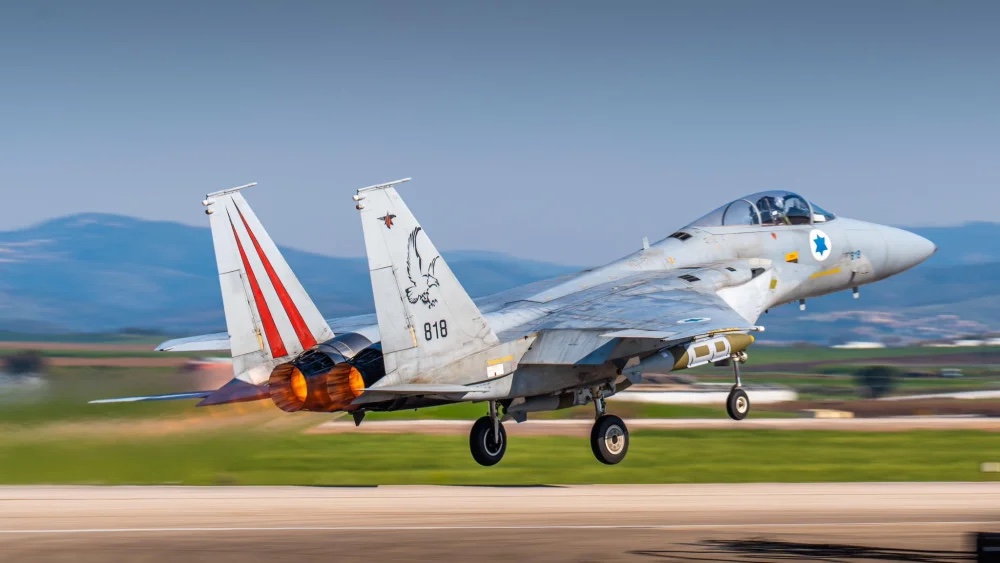

After the collapse of talks between the United States and Iran, Israel is increasingly preparing for a possible new escalation. Chief of Staff Eyal Zamir has instructed the armed forces to significantly raise their level of readiness.
According to multiple reports, all units are expected to ensure high operational preparedness, shorten response times, and close existing gaps.
In security circles, this is being interpreted as a clear signal: Israel is preparing for the possibility that the current ceasefire may only be temporary.
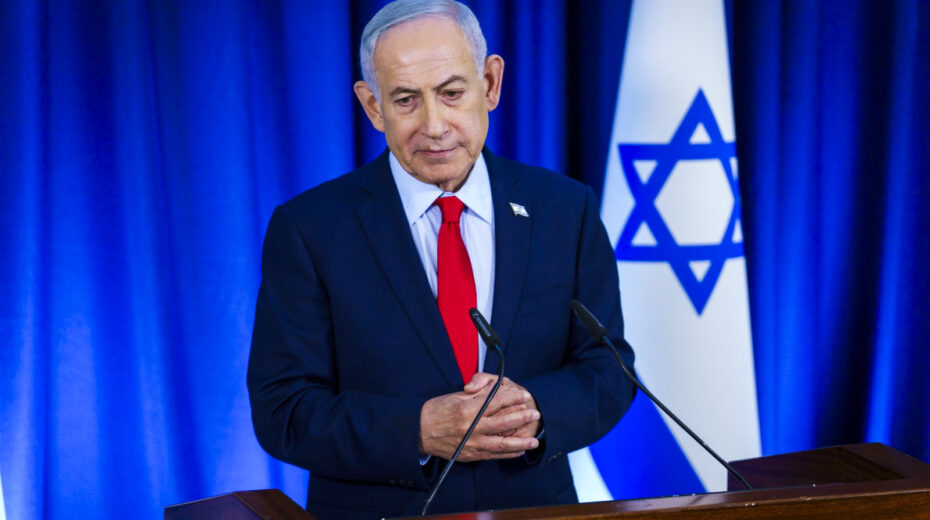
Prime Minister Benjamin Netanyahu had already pointed in a similar direction on Saturday evening in a televised address. Despite what he described as “historic achievements” in the fight against Iran, the campaign was not over. Israel still had “more to do,” he said, reaffirming his determination to eliminate the threat posed by Iran’s remaining missile arsenal and by enriched uranium.
After around 40 days of intense fighting, Israel’s leadership sees itself in a stronger position, but there is no talk of the operation being complete. Although “significant progress” has reportedly been made, core Iranian capabilities remain intact—especially in the areas of ballistic missiles and nuclear capacity.
The failure of the talks in Islamabad has only reinforced that assessment. No agreement was reached on limiting Iran’s nuclear program. Observers see this as a clear sign that diplomatic efforts are currently reaching their limits.
In Jerusalem, this development is being assessed soberly. Israel’s leadership has repeatedly emphasized that diplomatic processes are no substitute for independent security decisions. The option of military action remains explicitly on the table.
The current ceasefire is therefore not being viewed as the end of the conflict, but as an interim phase. Netanyahu made clear that Israel is prepared to strike again at any time if it deems that necessary for security reasons.
Within Israeli security circles, possible further steps are also being discussed, including measures against strategically important infrastructure.
At the same time, the government in Jerusalem points to what it calls the “historic achievements” of recent weeks. According to Israeli statements, parts of Iran’s military and missile program have been significantly weakened.
Even so, the strategic picture remains complex. Iran still retains military capabilities as well as a network of regional allies, including Hezbollah in Lebanon.
The conflict has thus entered a new phase—less overt than at the outset of the fighting, but still highly combustible.
Behind Netanyahu’s remarks lies a clear line: Israel intends to prevent Iran from reaching a point where it can militarily use nuclear capabilities on a permanent basis. In Jerusalem, that objective is regarded as non-negotiable, regardless of the status of international talks.
The situation therefore remains open. Whether there will be renewed negotiations or another escalation is currently uncertain.
In Israel, preparations are underway for both possibilities.
Want more news from Israel?
Click Here to sign up for our FREE daily email updates