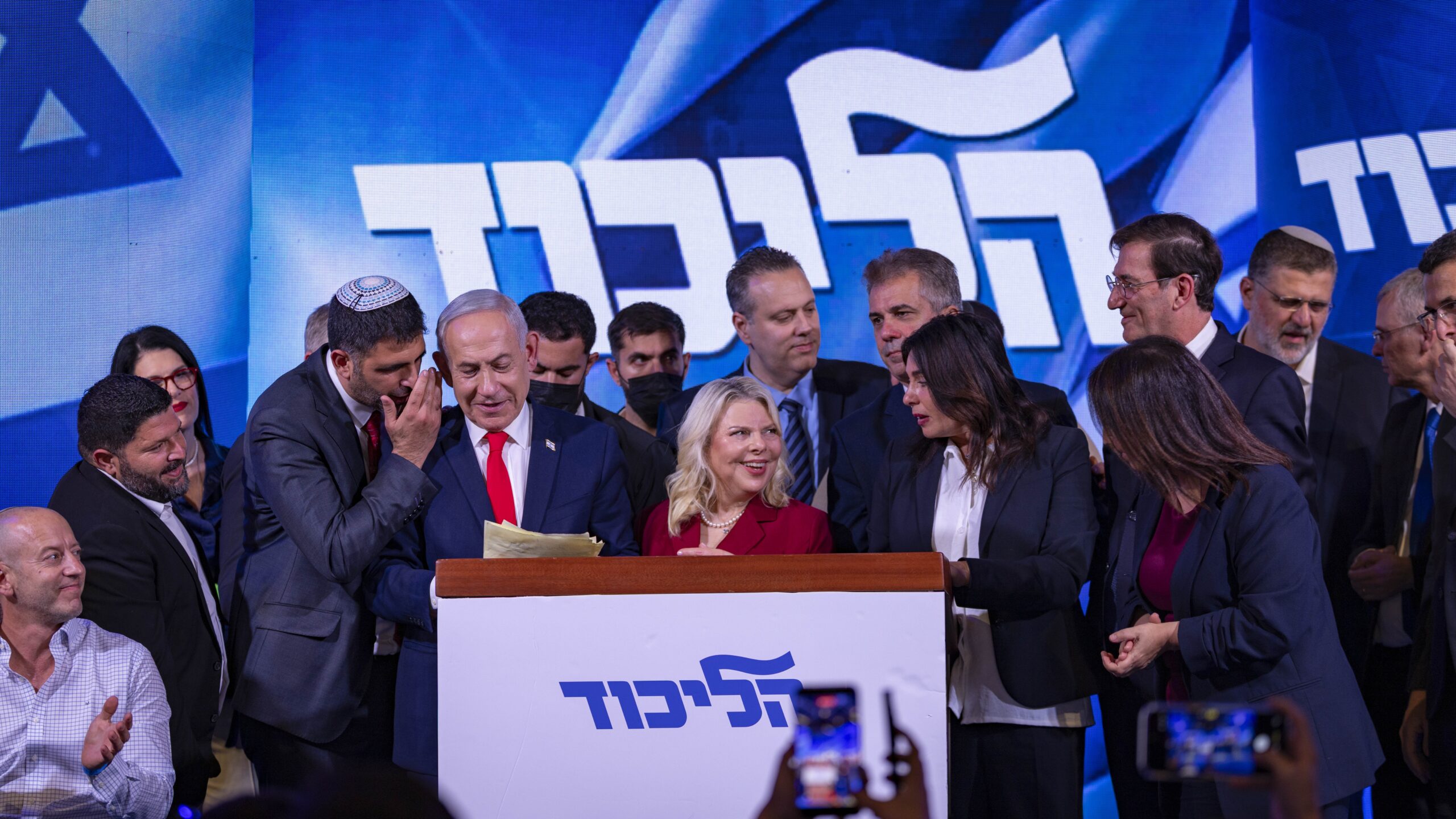

Two days after the election in Israel, no clear majority in the Knesset is emerging. The bloc of Prime Minister Benjamin Netanyahu maintains its lead over the opposition camp led by Gadi Eisenkot in the ongoing vote count. However, neither side has achieved results sufficient to form a new government.
According to the preliminary results published by the Central Elections Committee on Thursday morning, more than 91 percent of votes have been counted. The governing bloc is projected to win 53 of the 120 total seats, while the camp led by Eisenkot reaches 48 seats. The two Arab parties, the Joint List and Ra’am, receive a combined 19 seats.
This leaves Netanyahu’s bloc eight seats short of the required majority of 61 mandates. Eisenkot also lacks a parliamentary majority without additional support.
Likud remains the strongest party
Netanyahu’s Likud party leads with 26 seats based on the current vote count. Eisenkot’s party Yashar follows with 21 seats. The opposition party B’Yachad reaches twelve seats, the Democrats eight, and Yisrael Beiteinu seven.
On the side of the current governing bloc, Shas, United Torah Judaism, and Otzma Yehudit each receive seven seats. The Religious Zionism–Zehut list wins six seats.
Particularly notable is the performance of the Arab parties. With a combined total of 19 seats, the Joint List and Ra’am have achieved an exceptionally strong result. This could give them a decisive role in the upcoming political negotiations.
Vote count not yet complete
The counting of regular ballots is largely complete. However, the so-called double envelopes have yet to be counted. These include votes cast by soldiers, diplomats, and voters who cast their ballots outside their regular polling station.
The counting of these votes began overnight into Thursday and is expected to continue throughout the day. While individual seats may still shift as a result, a fundamental change to the current balance of power is considered unlikely.
The precise distribution of the 19 Arab seats has also not yet been definitively determined. While some calculations attribute eight seats to the Ra’am party and eleven to the Joint List, the official interim results initially showed a distribution of seven to twelve seats.
Difficult government formation taking shape
With the current results, the question of possible coalitions is increasingly coming to the fore. While Netanyahu commands the larger of the two political blocs, he cannot rely on his own parliamentary majority.
Eisenkot also faces a difficult decision. Mathematically, his camp and the Arab parties could together reach 67 seats. However, Eisenkot ruled out Arab parties participating in government during the election campaign. Whether a minority government supported from the outside is an option for him therefore remains one of the central questions of the upcoming coalition negotiations.
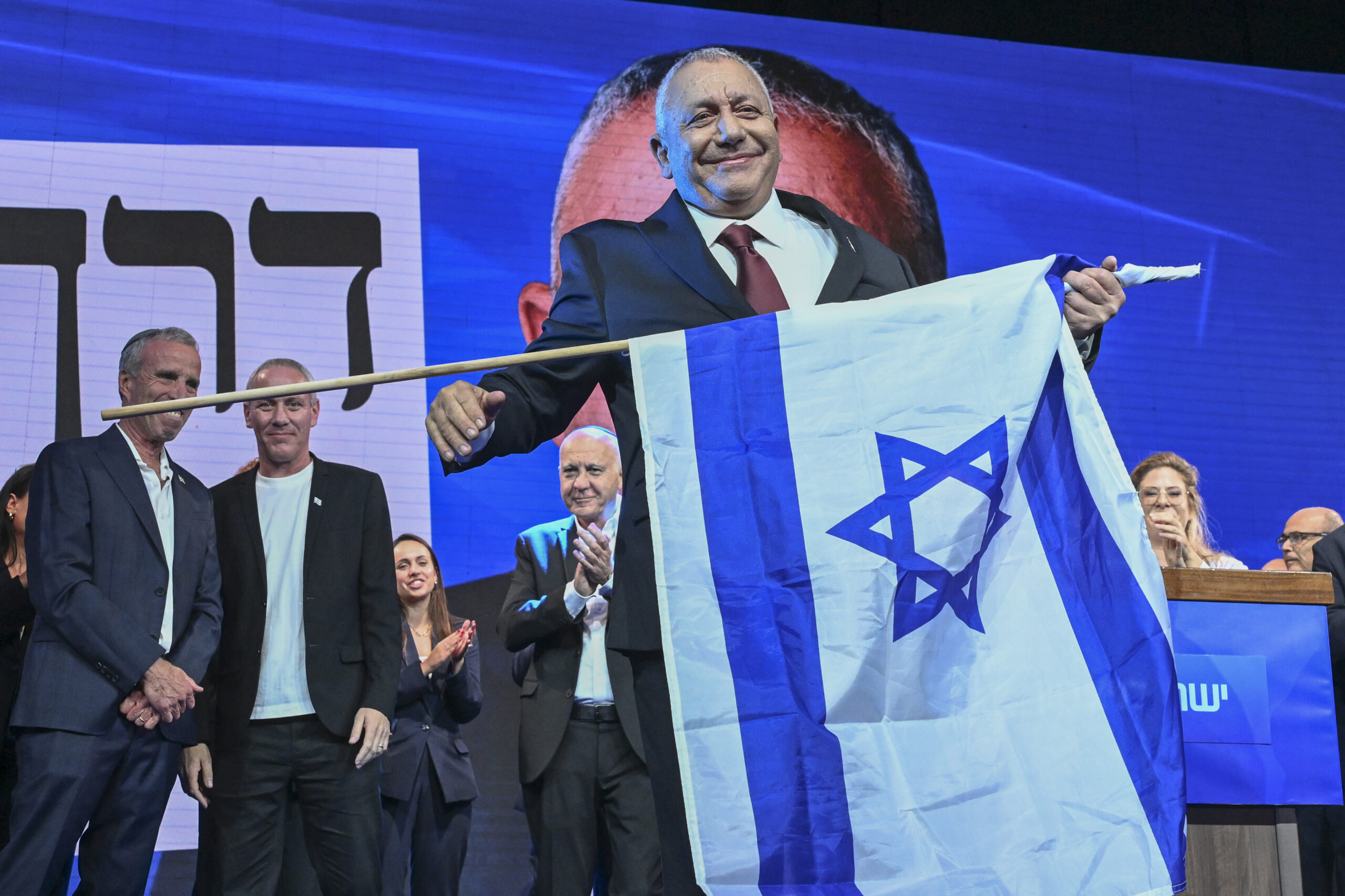
Gadi Eisenkot with an Israeli flag at his Yashar party’s election headquarters in Tel Aviv on October 28, 2026. Photo: Avshalom Sassoni/Flash90.
Meanwhile, initial talks within the political camps have begun. Various options for forming a new government and avoiding a repeat election are being explored.
After the final election results are announced, President Isaac Herzog will hold consultations with the parties to decide which member of the Knesset he will task with forming a government.
Until then, Israel’s political future remains uncertain. While the election has given Netanyahu’s camp a lead, it has so far produced no clear decision on who will govern the country going forward.
Want more news from Israel?
Click Here to sign up for our FREE daily email updates