
Iran has reportedly told Hezbollah to get ready for war.
Two diplomatic sources told The Jerusalem Post that Tehran warned Hezbollah to be ready for the US to resume the war. The UAE outlet Erem News, citing Lebanese security sources, reported that salaried Hezbollah members were summoned.
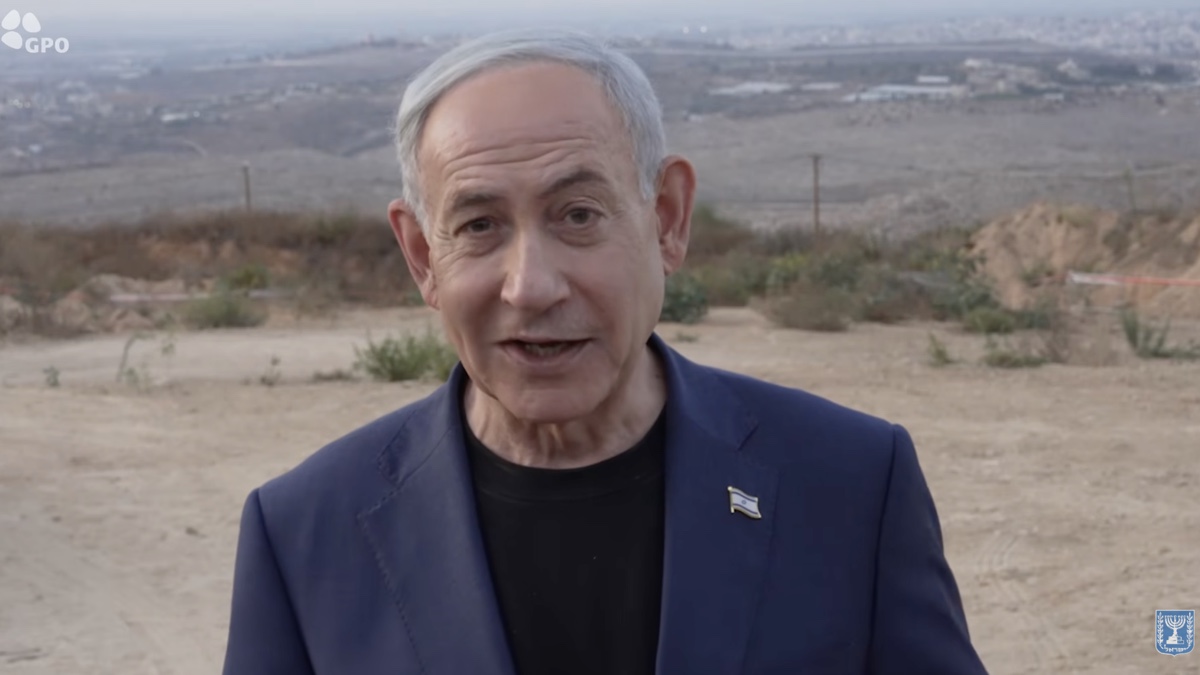
Hours later, Prime Minister Benjamin Netanyahu spoke with US Secretary of State Marco Rubio, then convened a security meeting with the heads of Israel’s defense establishment. Israeli security officials speaking to local media were less reticent: “If Iran doesn’t come to its senses, action is a very realistic scenario.”
Israel then moved to extend its home-front emergency until November 3, past election day, citing a continued high likelihood of a surprise attack on the civilian population.
Answering the obvious objection
Israelis vote October 27. Americans vote in the midterms on November 3. Suspicion is natural.
But the supposed beneficiary isn’t selling the war. Netanyahu said he was not in favor of a preemptive strike against Iran before the election, explaining that “even if Iran fires missiles at us they will blame me.”
For an election stunt, it is oddly short on campaigning.
A stage bigger than Likud
In Saudi Arabia, a Houthi attack on Riyadh’s airport killed at least 13 people and wounded over 300. In the Strait of Hormuz, two cargo ships were sunk as Iran ramps up attacks in the run-up to the midterms. In Washington, US officials told CNN the military has drawn up strike plans that include possible first use of the MOAB against Iranian energy and nuclear sites.
Tehran’s shrinking options
The more important clock may not be the one tied to Israeli or US elections.
Iran’s seaborne crude exports fell to zero in mid-September under the reinstated US blockade, and annual inflation reached 73.6 percent. Israeli assessments cited by N12 hold that Iran’s distress could push it toward further extreme steps.
Tehran also has a motive to rattle Israel before the vote. Yet missiles on election week could just as easily rally voters behind the candidate promising the harshest response.
What the evidence permits
None of this proves war is imminent. Israeli and American officials told N12 they do not think the latest developments require immediate action. There is no confirmed US decision and no verified Hezbollah operational order. No home-front restrictions are currently in effect in Israel.
What the evidence does show is rising readiness across several capitals, alongside unconfirmed claims about triggers and timing.
Want more news from Israel?
Click Here to sign up for our FREE daily email updates