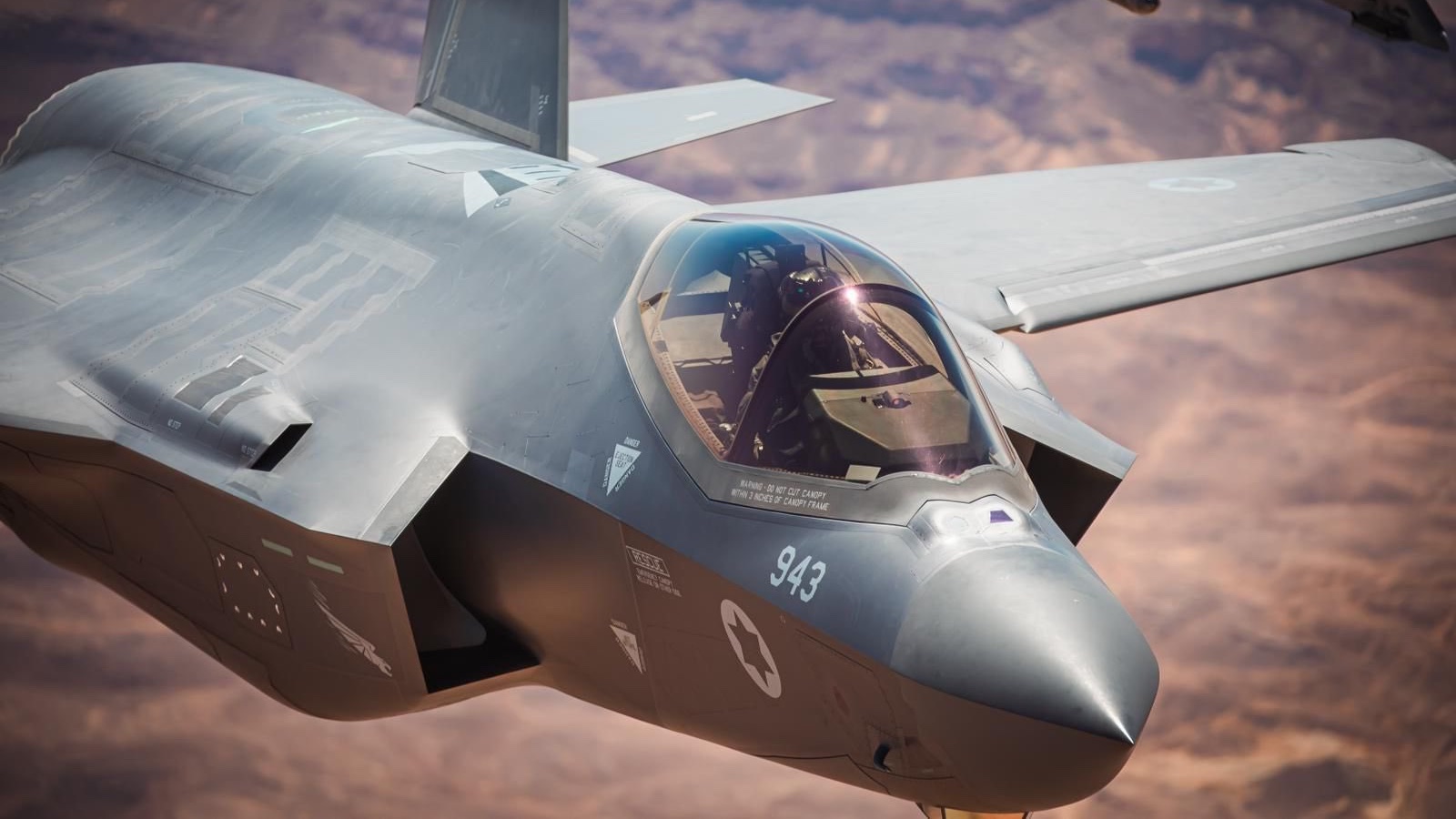

Since the start of Operation Roaring Lion, the Israeli Air Force has dropped more than 15,000 munitions on Iranian targets in what is being described as a methodical military effort designed to break core regime capabilities.
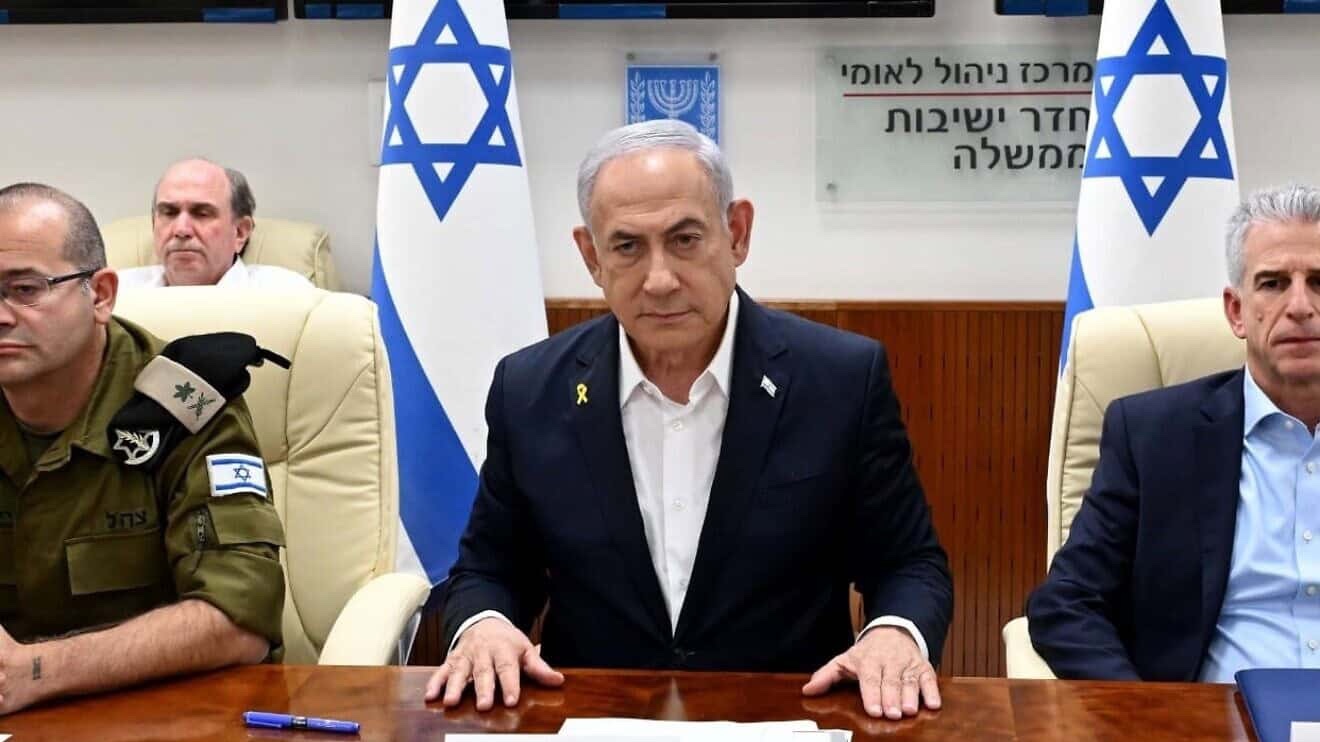
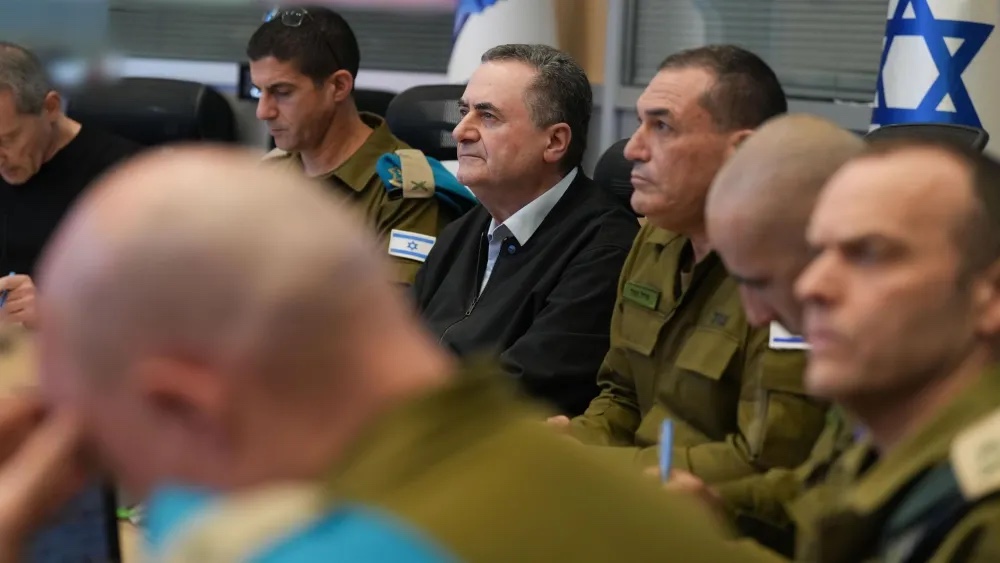
On Wednesday morning, Defense Minister Israel Katz and IDF Chief of Staff Lt. Gen. Eyal Zamir approved an expanded list of what were described as “quality strategic targets” in both Iran and Lebanon. The targets were chosen to further erode infrastructure, command capacity and long-term operational viability.
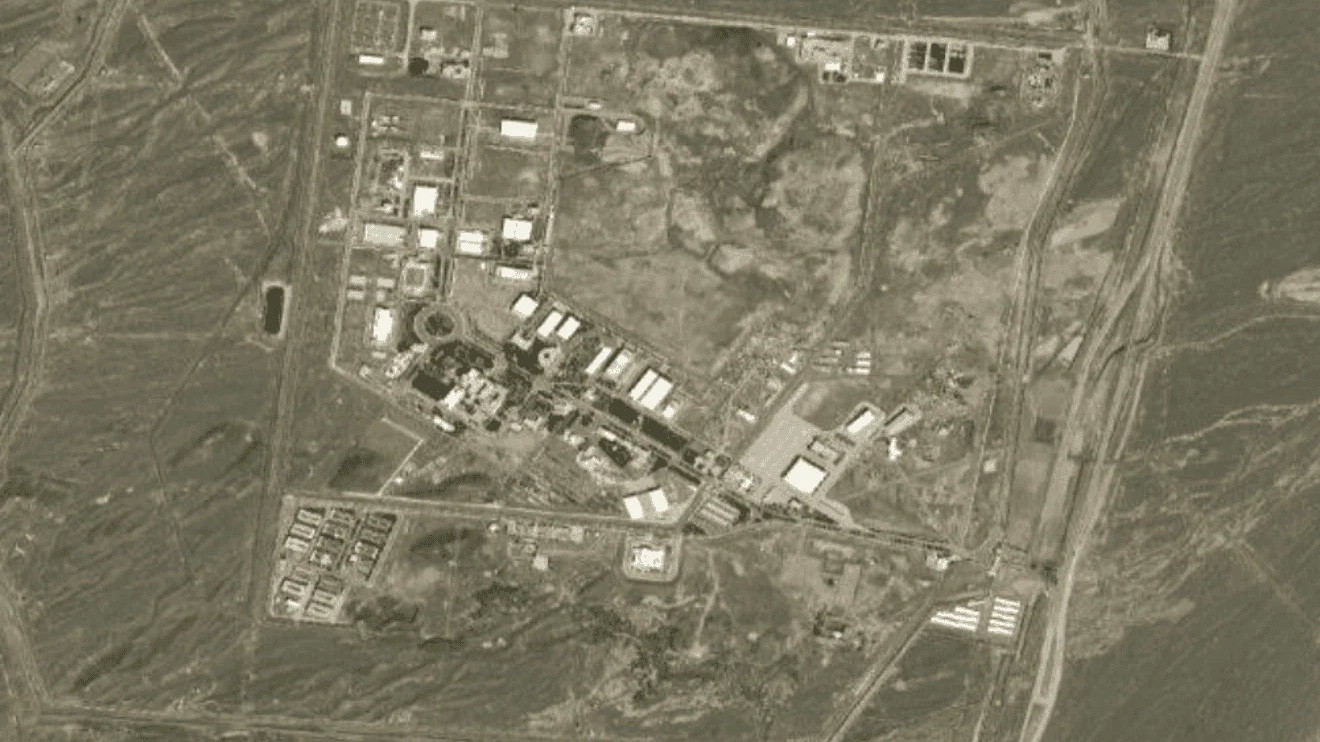
From the start of the war on February 28, the central goals were to inflict severe damage on the Iranian regime’s nuclear program and reduce its ballistic missile threat to a level that materially reshapes the strategic environment.
But the theater widened quickly.
Hezbollah entered the fight on March 2, launching rockets and suicide drones at Israel after the targeted killing of Iranian Supreme Leader Ali Khamenei in the opening phase of the campaign. That development removed any remaining ambiguity about the nature of the conflict.
Israel responded accordingly.
Jerusalem treated Hezbollah’s attacks not as isolated provocations, but as a direct violation of the US-brokered ceasefire reached on November 27, 2024. The result was predictable. Israel intensified its aerial campaign in Lebanon and moved ground forces into additional positions in Southern Lebanon to suppress cross-border fire and restore a measure of security to the north.
Iran’s strategy has long depended on layered pressure: nuclear advancement, ballistic missile expansion and proxy encirclement through groups like Hezbollah. The logic behind the current Israeli campaign is straightforward. If Tehran’s strength lies in distributed threat architecture, then that architecture has to be dismantled piece by piece, node by node, front by front.
That is what an expanded target bank means in practice.
It means Israel believes there is still meaningful strategic value left to hit. It means the operation has not reached culmination. And it means decision-makers in Jerusalem are signaling that neither Iran nor Hezbollah will be allowed to absorb the opening blows and simply regroup under the cover of international calls for “restraint.”
What comes next will depend on how much usable capability Iran and Hezbollah still retain, and how much political space Israel believes it has to keep pressing. But the current direction is unmistakable.
The target list is growing because the mission is not yet finished.
Want more news from Israel?
Click Here to sign up for our FREE daily email updates