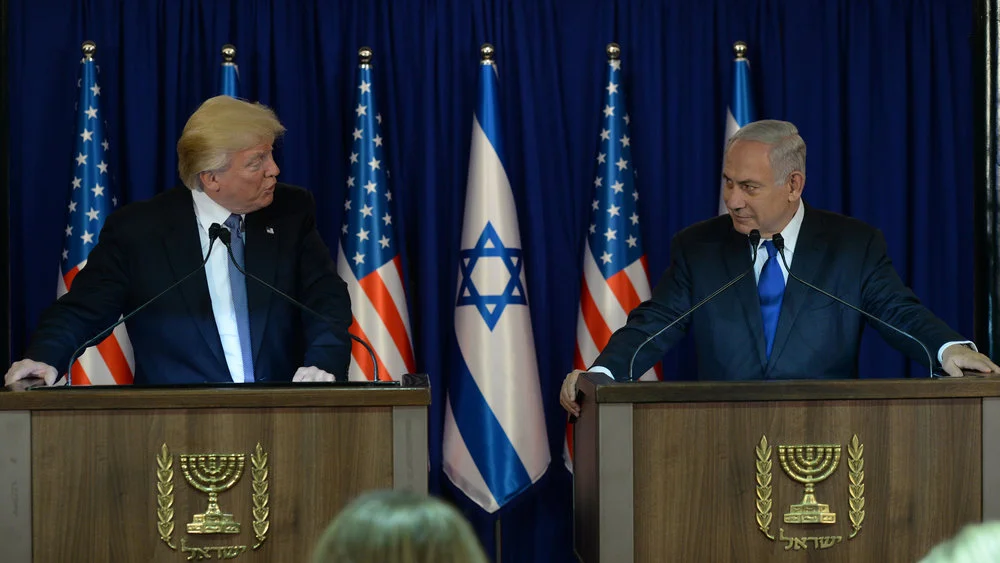
After U.S. President Donald Trump announced the end of American military aid to Israel, Prime Minister Benjamin Netanyahu emphasized that both countries want to place their cooperation on a new footing. The transition is to take place gradually.
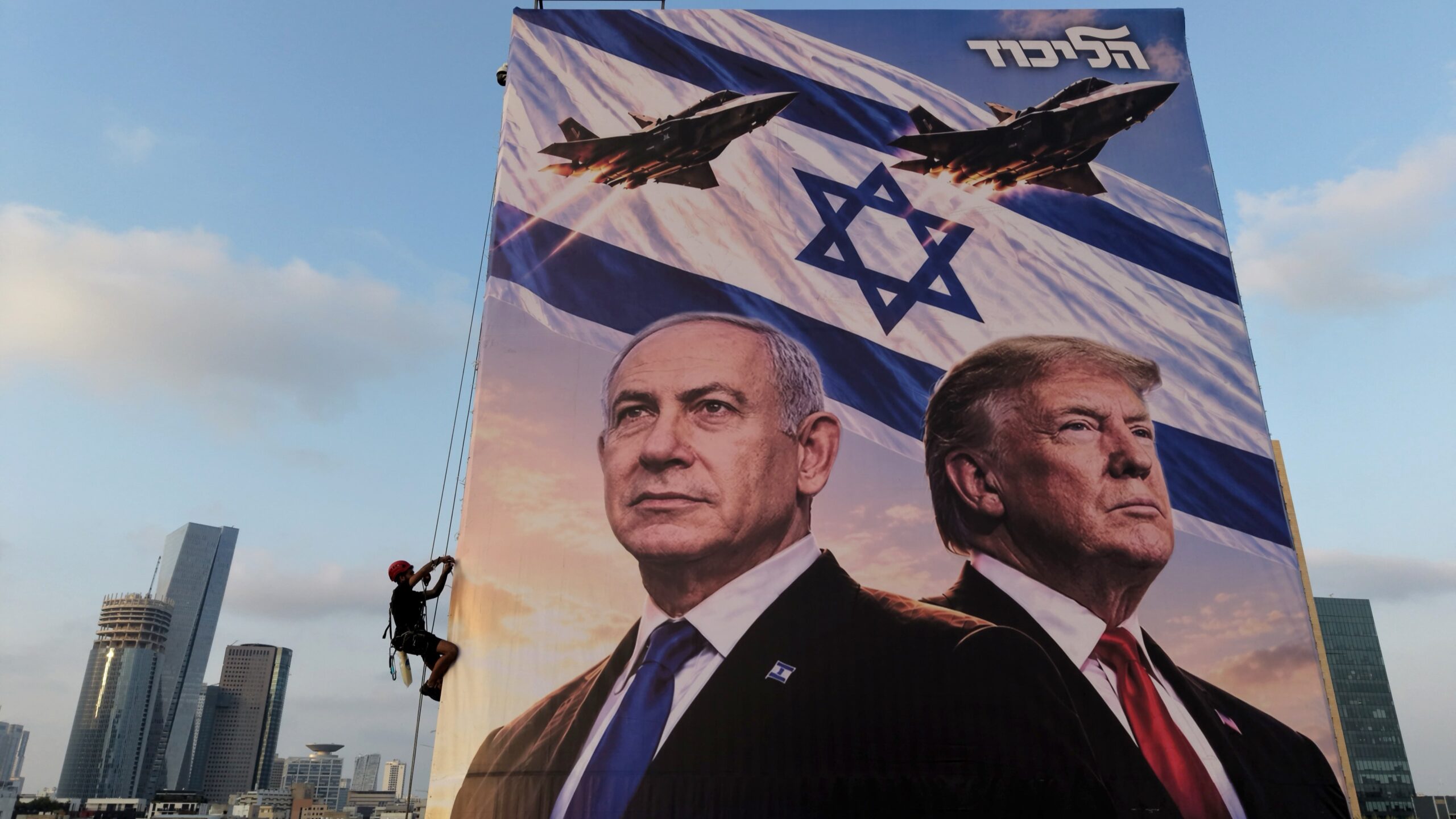
After U.S. President Donald Trump announced the end of American military aid to Israel, Prime Minister Benjamin Netanyahu emphasized that both countries want to place their cooperation on a new footing. The transition is to take place gradually.
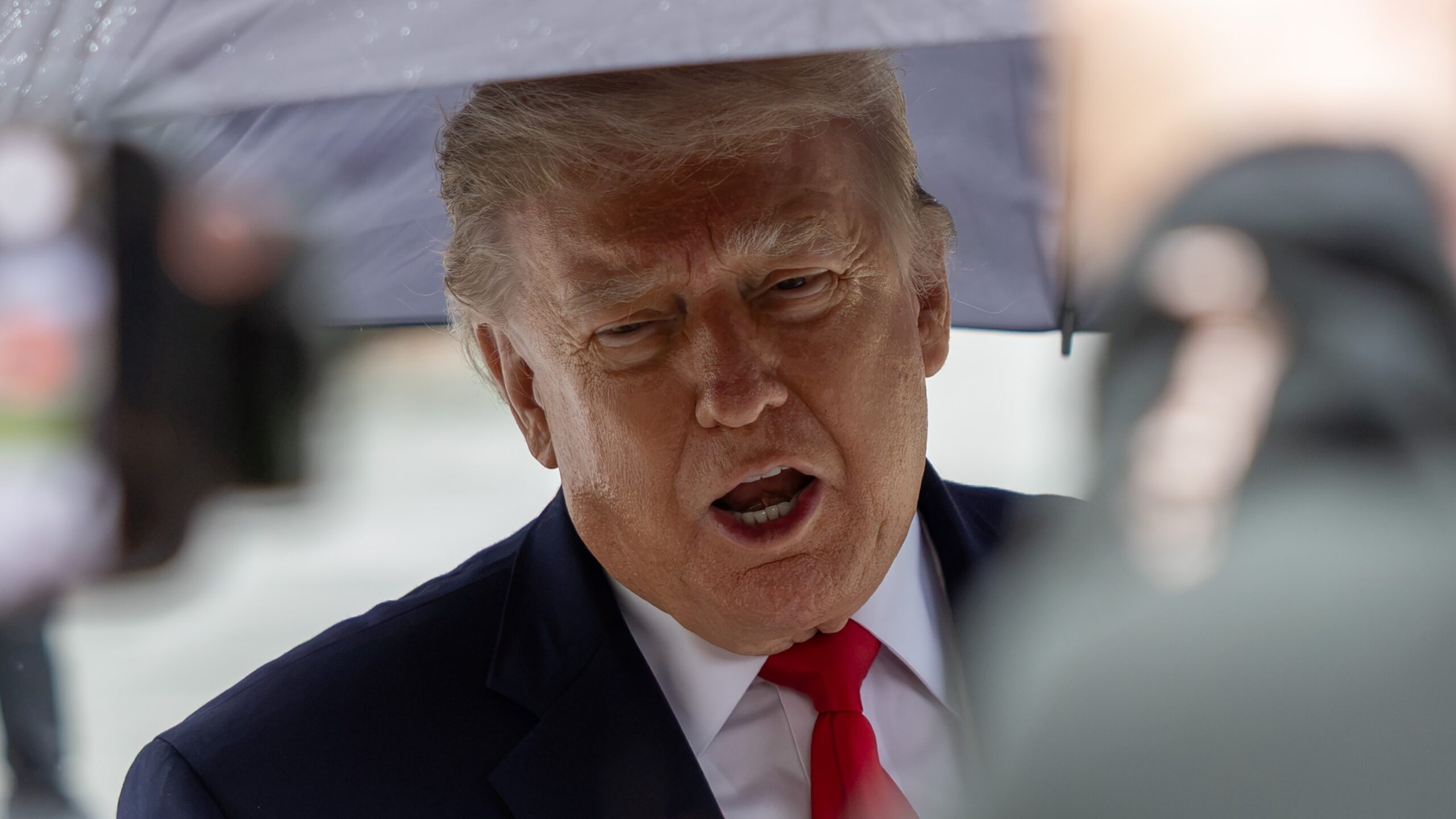
Washington’s political landscape has shifted, but the president’s support for the Jewish state is a defining part of his foreign-policy legacy.
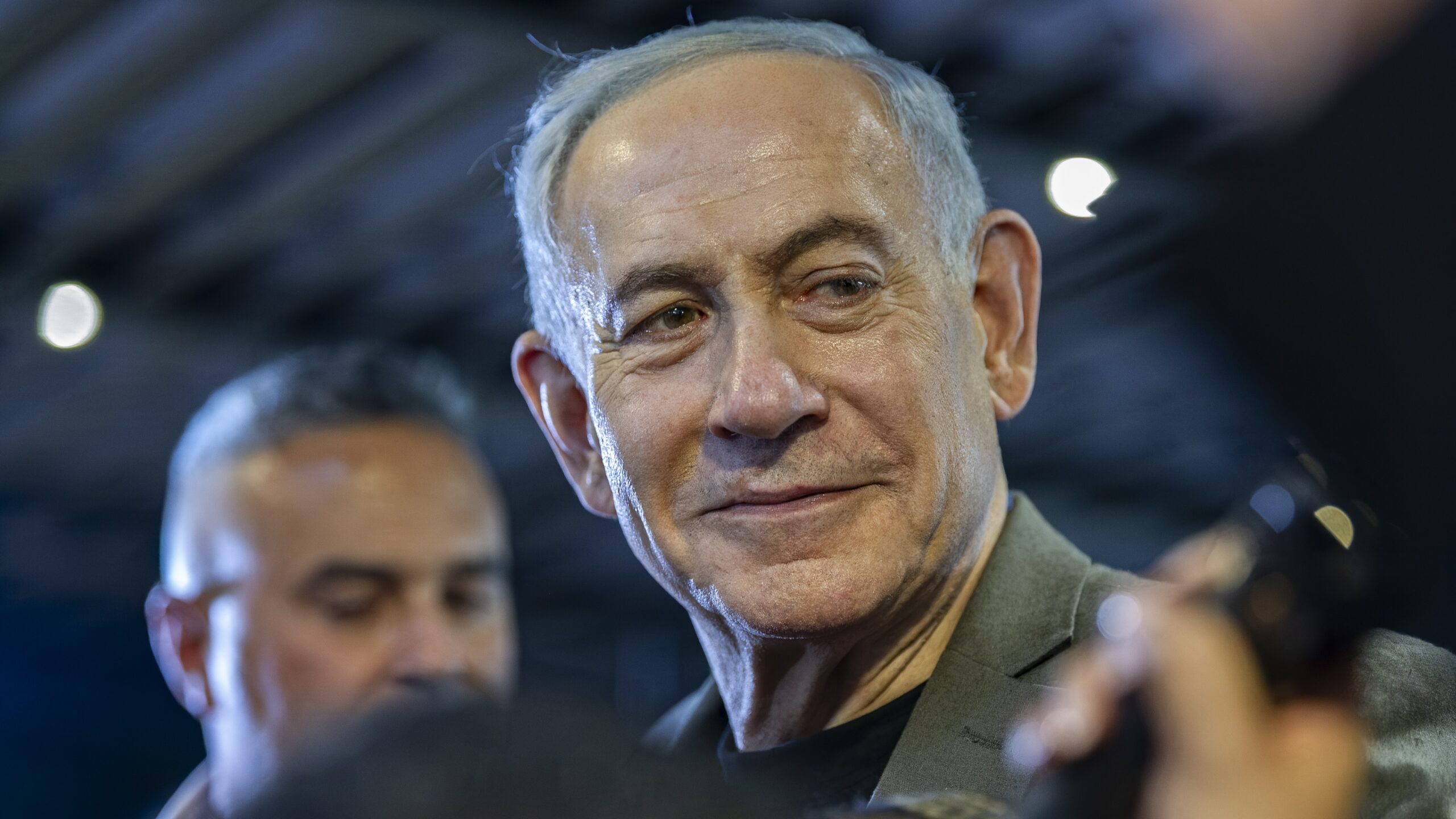
“It was the Democrats that moved away from Israel, not Israel away from the Democrats,” Dan Diker of the Jerusalem Center for Foreign Affairs told JNS.
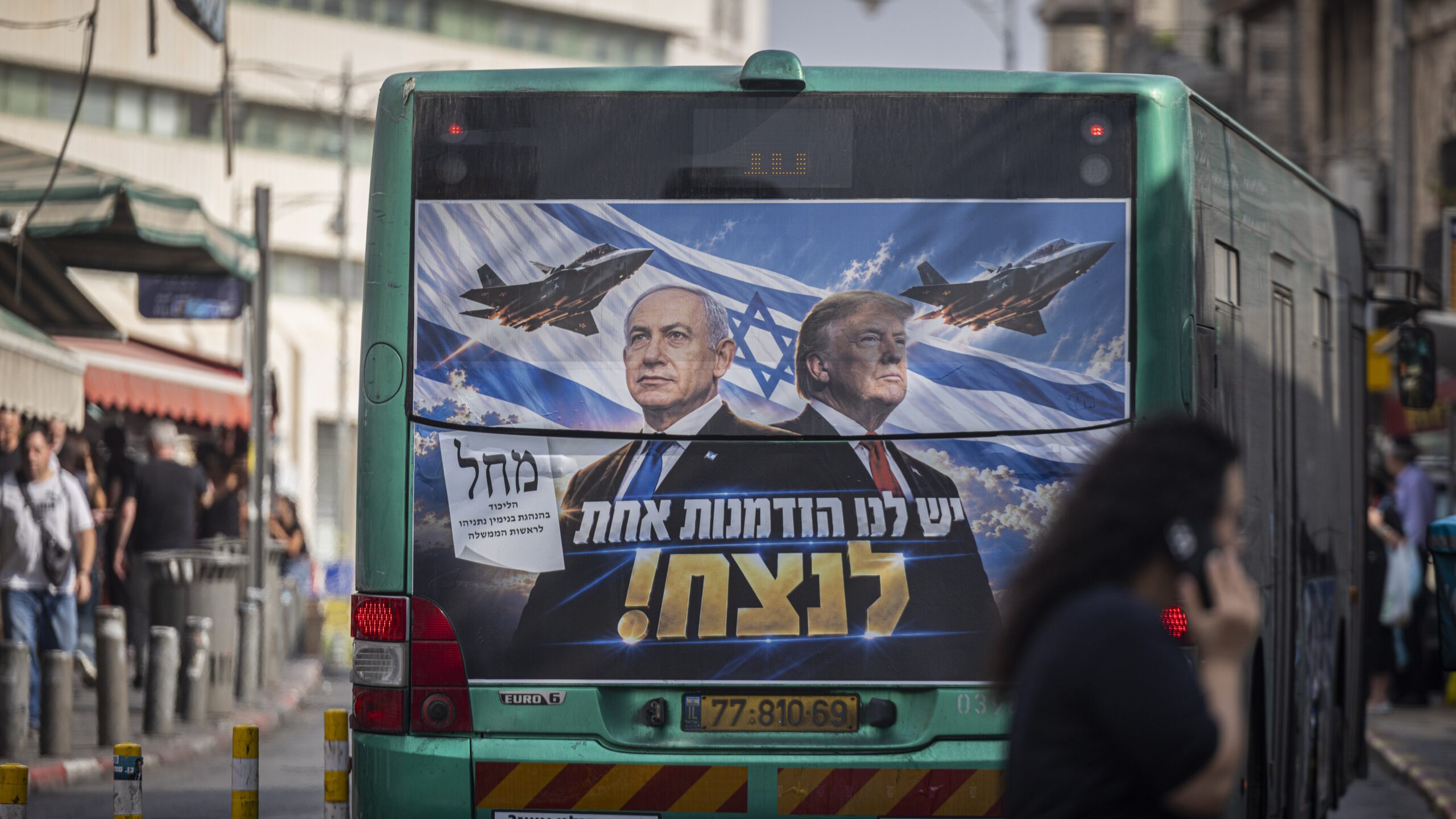
The Democrats’ electoral victory in the US Congress and Trump’s announcement to halt military aid to Israel pose new challenges to the decades-long partnership. Jerusalem must prepare for a possible change of course.
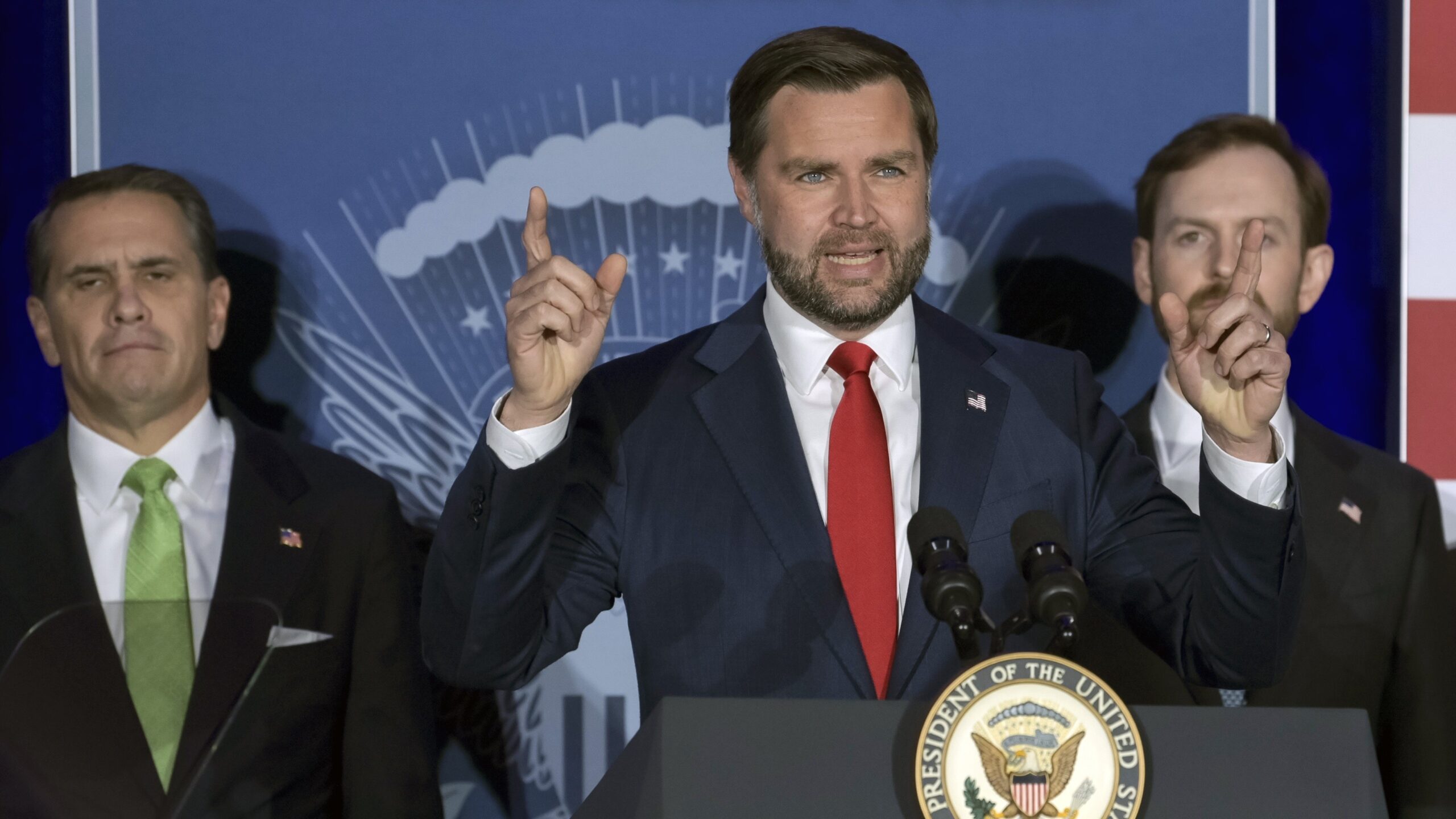
“The reason we lost is the war,” the US vice president wrote. “If you’d like to argue it was worth it, that losing the Senate for the next six years was worth it, then do so” but “that’s at least honest.”
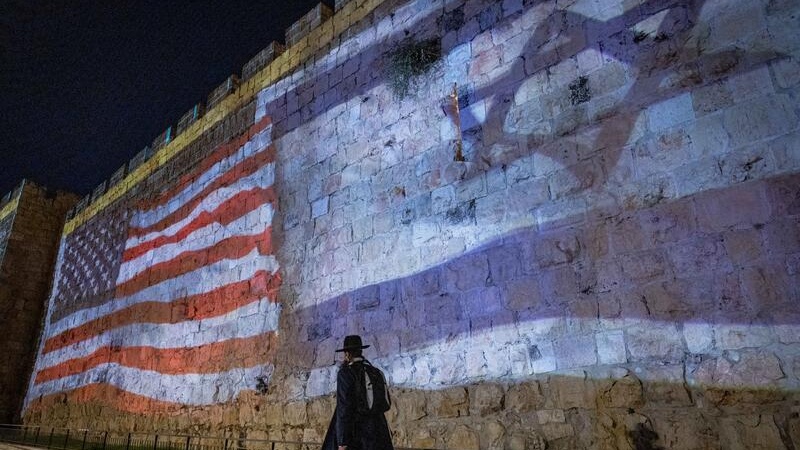
Netanyahu has been telling Israelis since at least May 2025 that they would have to wean themselves off American military aid, and spent 2026 saying so to American audiences. What caught Israel off guard was the date, not the decision.

Legislators will change come Nov. 3. That prompts the question: What limits must government respect, regardless of who wins?
Their growing acceptance fuels conspiracy theories and undermines decades of joint policy.

A 47–51 vote sinks resolution targeting Judea and Samaria, as lawmakers refuse to turn up the pressure on America’s ally while it confronts Iran.
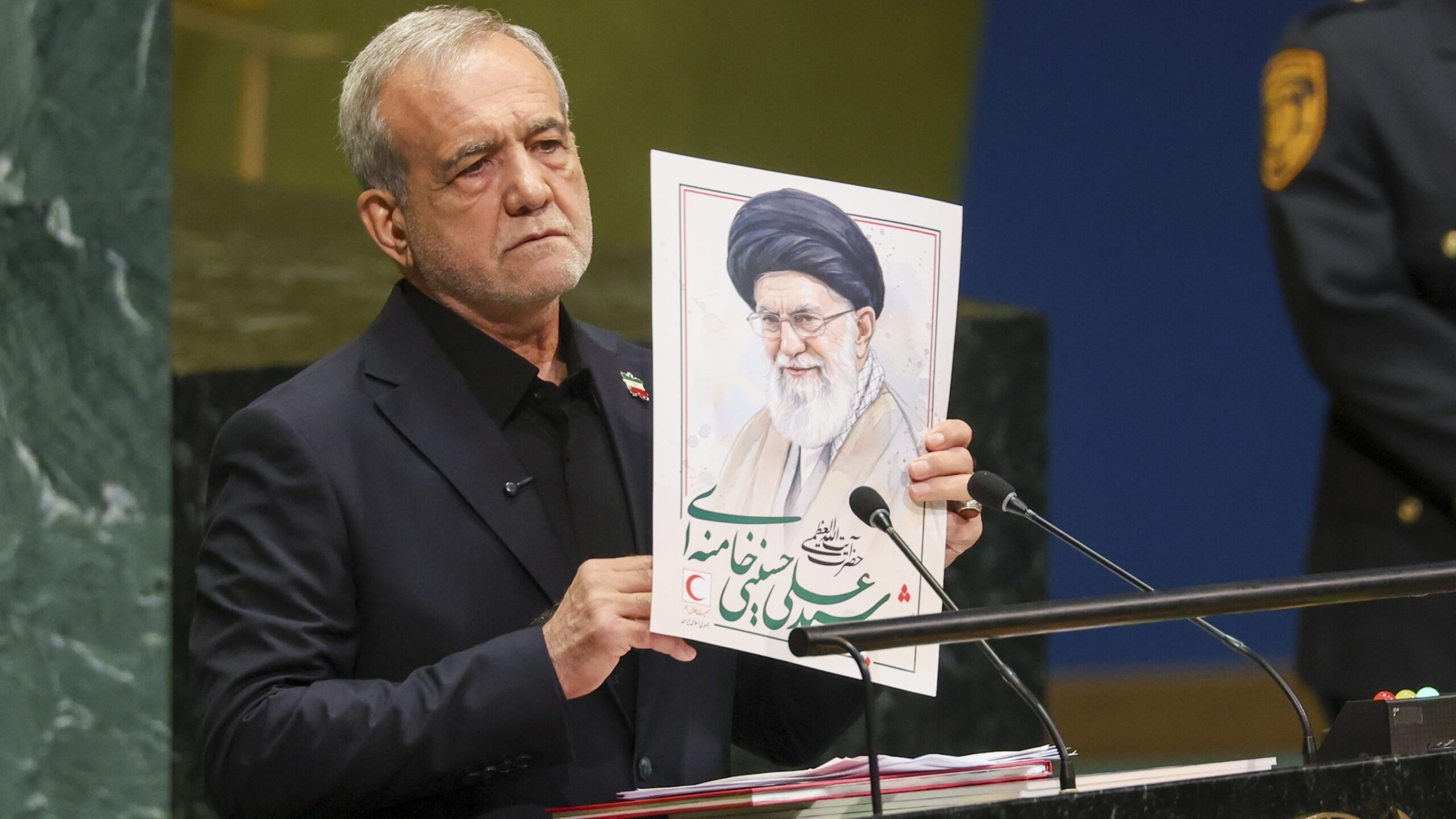
The lone U.S. delegate attending Masoud Pezeshkian’s address to the U.N. General Assembly walked out of the hall after the Iranian president claimed that Iranians were “victims of terrorism.”