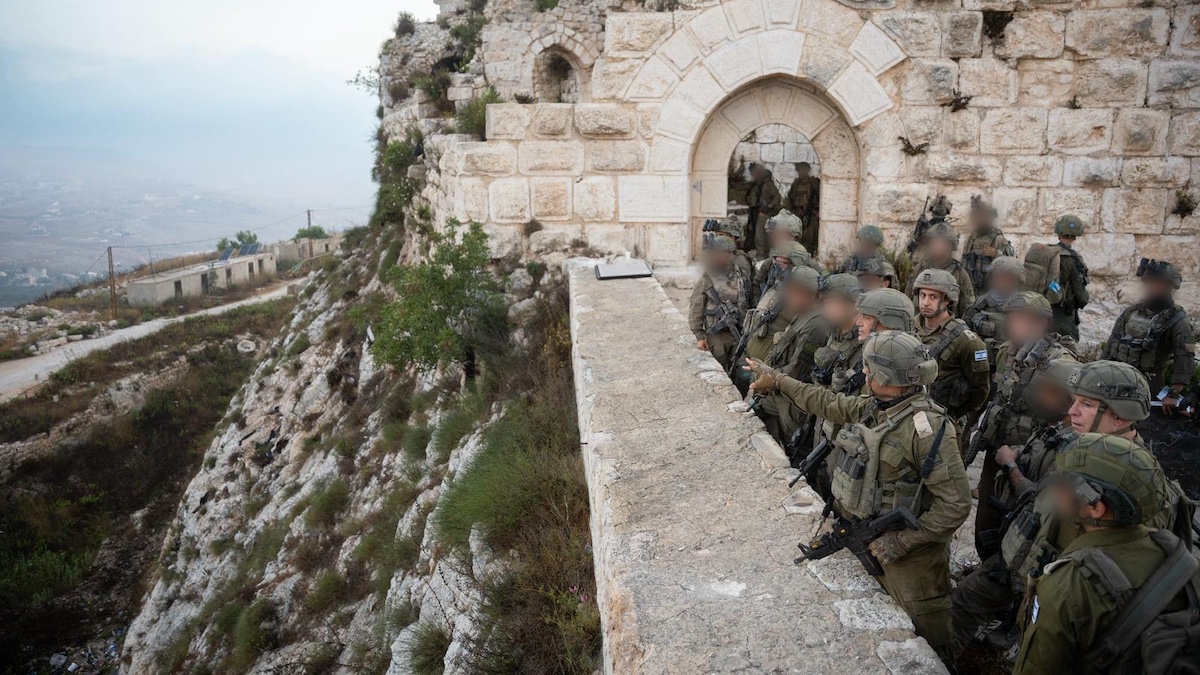

UNESCO has suddenly discovered Beaufort Castle.
The United Nations cultural agency is expected to move toward listing the 900-year-old Crusader fortress in southern Lebanon, along with other sites in the area, as endangered heritage locations. The concern, formally, is protection from war.
Israel’s response was less charitable.
Jerusalem accused UNESCO of turning cultural heritage into another political weapon, saying the agency stayed largely silent while Hezbollah embedded itself in and around the historic site, then found outrage when Israel acted against the terrorist infrastructure there.
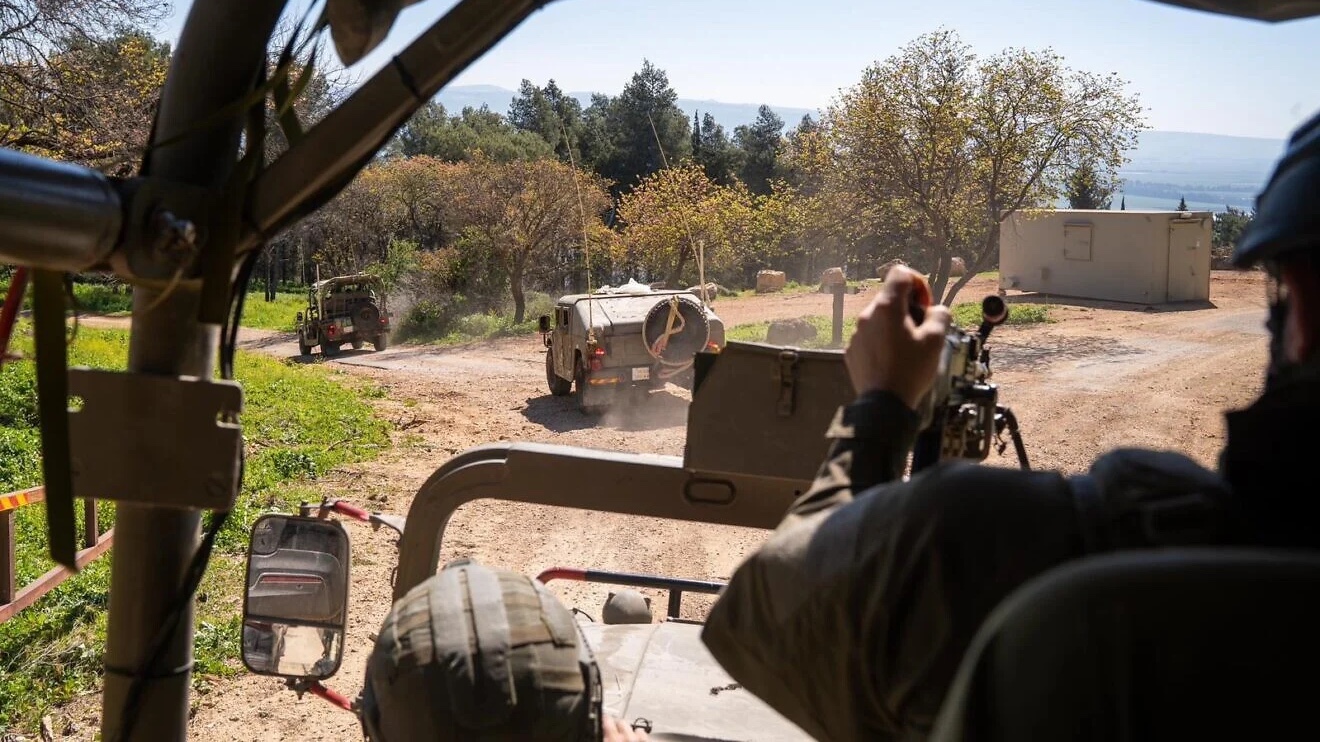
Beaufort Castle is not just a scenic ruin. Perched in southern Lebanon only a few miles from Israel’s border, it has long held strategic value. Hezbollah transformed the fortress area into a military position, including an underground tunnel network. Israeli forces captured the site in May during the latest war with the Iran-backed terror group.
The Foreign Ministry said Hezbollah had “weaponized and desecrated” the fortress for years. UNESCO’s failure to focus on that, Israel argued, while scrutinizing Israeli defensive operations, amounted to moral failure dressed up as preservation.
UNESCO stayed silent as Hezbollah turned the Beaufort Castle in Lebanon into a military terror stronghold.
Beneath this historic site, Hezbollah built a vast terror tunnel network and launched hundreds of rockets at Israeli civilians.
An organization that excuses the… pic.twitter.com/UU58TCunkl
— Israel Foreign Ministry (@IsraelMFA) July 21, 2026
This is the familiar UN choreography. Terror groups turn civilian, religious, or historical sites into military assets. Israel responds. Then international institutions arrive to mourn the stones, often with far more passion than they showed when those stones were first militarized.
UNESCO’s own rules are supposed to protect cultural sites not only from attack, but also from being used for military purposes. Yet instead of enforcing that standard, UNESCO, like so many other international bodies, too often allows groups like Hezbollah to embed themselves in protected sites and use them as shields.
Israel left UNESCO in 2018 after years of anti-Israel bias, including resolutions that minimized Jewish ties to Jerusalem’s holiest places. The United States has also repeatedly walked away from the agency, most recently citing ideological drift and anti-Israel prejudice.
Lebanon, for its part, rejects Israeli claims that Hezbollah used the castle area militarily and has urged UNESCO to intervene.
But the larger question remains: where was this urgency when Hezbollah was building its war machine in southern Lebanon?
If UNESCO wants to protect heritage, it should start by condemning those who hide rockets, tunnels, and terror command posts behind it. Otherwise, Beaufort Castle is not being defended as history. It is being drafted into the same old campaign against Israel.
Want more news from Israel?
Click Here to sign up for our FREE daily email updates