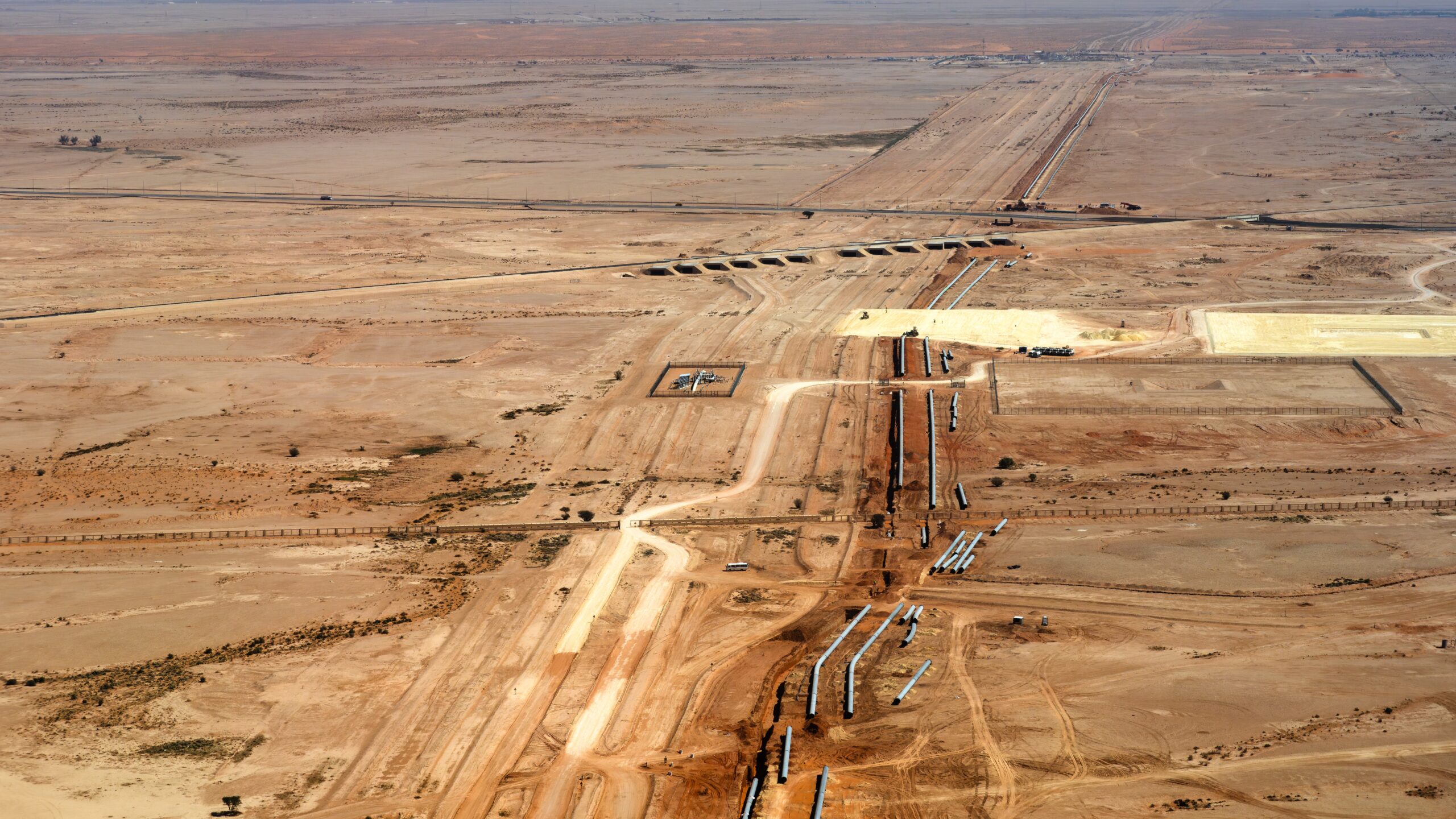

The approximately 1,200-kilometer pipeline connects the major oil fields in the east of the country with the port of Yanbu on the Red Sea, enabling exports independent of the Persian Gulf. Since the war with Iran has massively disrupted shipping through Hormuz, this alternative route has become all the more important. Most recently, approximately four to five million barrels of oil per day are said to have flowed through the pipeline. Now it too has been struck by a drone attack launched from Iraqi territory and temporarily shut down. A dangerous strategy is thus taking shape: Iran and its militias, the Houthis, are simultaneously applying pressure on Saudi Arabia at multiple geographic vulnerabilities. To the east lies the Strait of Hormuz, to the south the Houthis threaten Bab al-Mandab, and in between, the most important land connection to the Red Sea has now also become vulnerable.
And this is precisely where Israel comes into play. The more Iran threatens Saudi Arabia’s traditional export routes, the more important Israel becomes as a strategic partner and possible land corridor from the Gulf...
Become a Member
-
Read all member content
Get exclusive in-depth reports from Israel.
-
Get exclusive in-depth reports from Israel
Connect with Israel, right from your home.
-
Lift up the voice of truth and hope
Support Jerusalem-based Zionist journalism.

Already a member? Login here.