(JNS) Judaism is all about bringing light into the world—affecting and improving it through positive acts, awareness, kindness and compassion. This mission is especially meaningful during the darkest of times and in the darkest of places, when light is not just comforting but transformative. The notion that each person can contribute to the illumination of the world is central to Jewish thought and practice, and it is this principle that Chanukah, the “Festival of Lights,” so beautifully exemplifies.
In the Jewish month of Kislev comes the heart of winter—that time of year with the shortest days and longest nights. The world feels darker. It can be challenging to maintain inspiration and hope. It is precisely at this time, when physical light is scarce and shadows loom long, that the Jewish people celebrate Chanukah. The timing of this holiday is not coincidental; it reflects the deeper spiritual lesson that light can and must emerge even in the darkest circumstances.
Chanukah commemorates a specific historical event—the victory of a small band of Jewish fighters over the powerful Greek army—but its significance runs much deeper than a military triumph. The essence of what was at stake 2,200 years ago was freedom from oppression and the right to be true to one’s spiritual identity. The Maccabees were not only fighting for survival but for the ability to fulfill their sacred mission of bringing their unique light into the world for the benefit of all humanity and all of Creation. In other words, their fight was to preserve a channel of Divine light, which continues to flow through Jewish practice today.
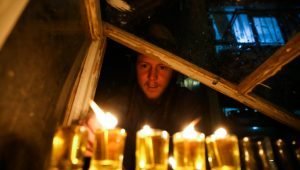
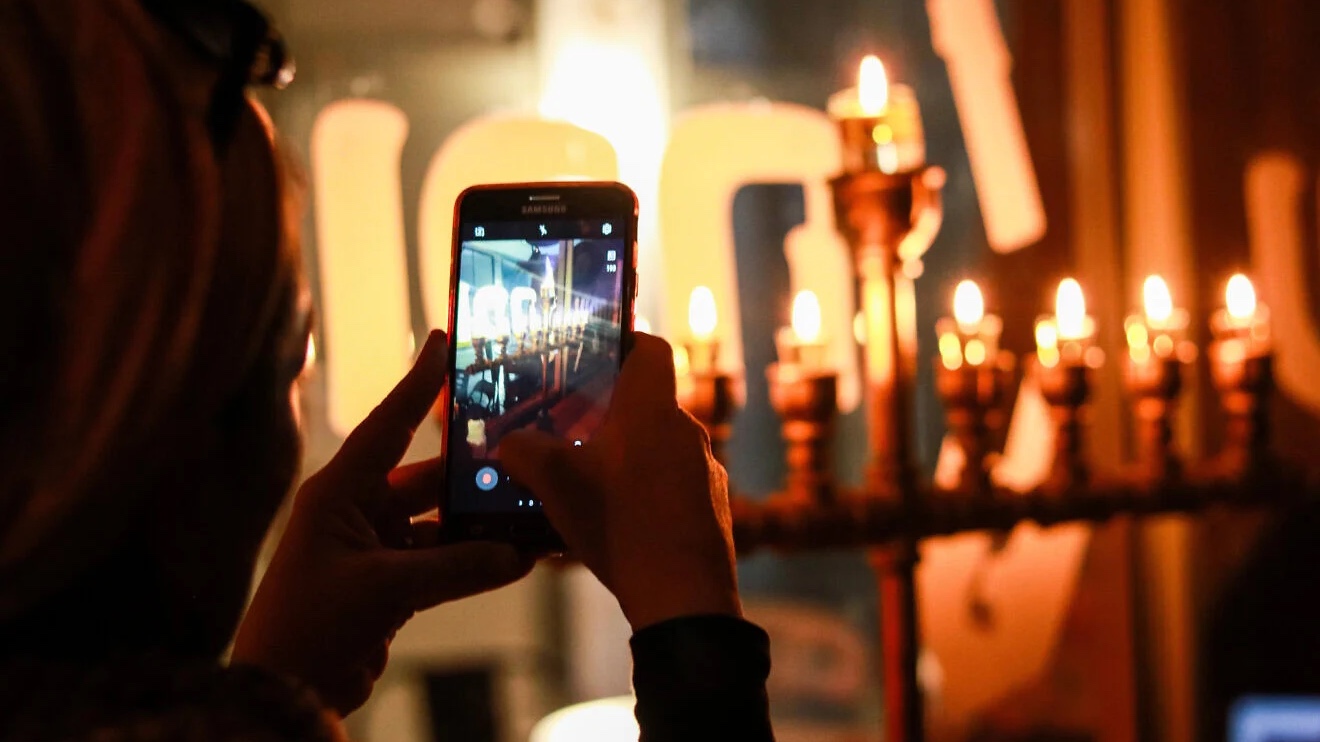
The lights we kindle during Chanukah are central to this teaching. Each night, we light candles to remember the miracle of the oil: a single jar, enough for only one day, burned for eight. But the lights of the menorah are not merely physical but deeply spiritual. Jewish law even prohibits deriving physical benefit from them, emphasizing that their purpose is symbolic and contemplative. They are meant to awaken something within us—to remind us of the inner light that we are called to cultivate and share.
To grasp the depth of this spiritual light, we can look back to the very beginning of Creation. In the opening verses of the Torah, the world is described as completely dark. The first thing God creates is light—not the sun, moon or stars, which appear only later, but a pure, spiritual light that gives life, direction and vision to the forming world. This primordial light represents the Divine potential inherent in all things and all beings. By lighting the Chanukah menorah, we participate in a continuation of that original act of creation, bringing spiritual illumination into our own lives and the world around us.
Just as God brought light into a dark world, we light the menorah at night, embodying the Chassidic teaching that “a little bit of light pushes away a lot of darkness.” Chanukah is, in essence, a time to “be like God” by infusing the world with light at its darkest moment.
And this light is not merely decorative; it is active and transformative. It represents goodness, kindness and compassion—the forces capable of countering darkness and despair.
Our mission, therefore, is not to despair at the presence of darkness but to consciously add light in small and meaningful ways.
This concept of adding light can extend beyond our interactions with people to the way we relate to all living beings. Choosing a plant-based diet is a tangible expression of adding light, of aligning our daily actions with the principles of compassion and justice. Just as the menorah’s flames represent spiritual illumination, our food choices can illuminate our ethical values. By choosing not to participate in the suffering of animals, we extend the concept of freedom celebrated during Chanukah to all creatures. Our meals, like our acts of kindness, become a form of spiritual illumination. This practice transforms an everyday act—eating—into a ritual of awareness and kindness.
Moreover, the miracle of the oil reminds us of the abundance that can arise from what appears limited. Just as a single jar of oil lasted eight days, our intentional acts—choosing one meal, one purchase, one word of kindness—can ripple outward and create effects far beyond what we might expect. Observing Chanukah encourages us to remember that spiritual light, when nurtured, is inexhaustible and transformative. By pairing this awareness with mindful eating and ethical choices, we participate in a modern expression of that ancient miracle.
As we celebrate the holiday this year, let us remember that the lights we kindle are more than tradition; they are invitations. They invite us to illuminate the world with love, justice and compassion. They remind us that even the smallest light can push back great darkness. And they encourage us to expand our understanding of freedom, extending it to all beings who share this world with us. In doing so, our celebrations become more than commemoration. They become acts of creation, echoing the original light that brought the universe into being and continuing the sacred work of bringing light into the world.
Want more news from Israel?
Click Here to sign up for our FREE daily email updates