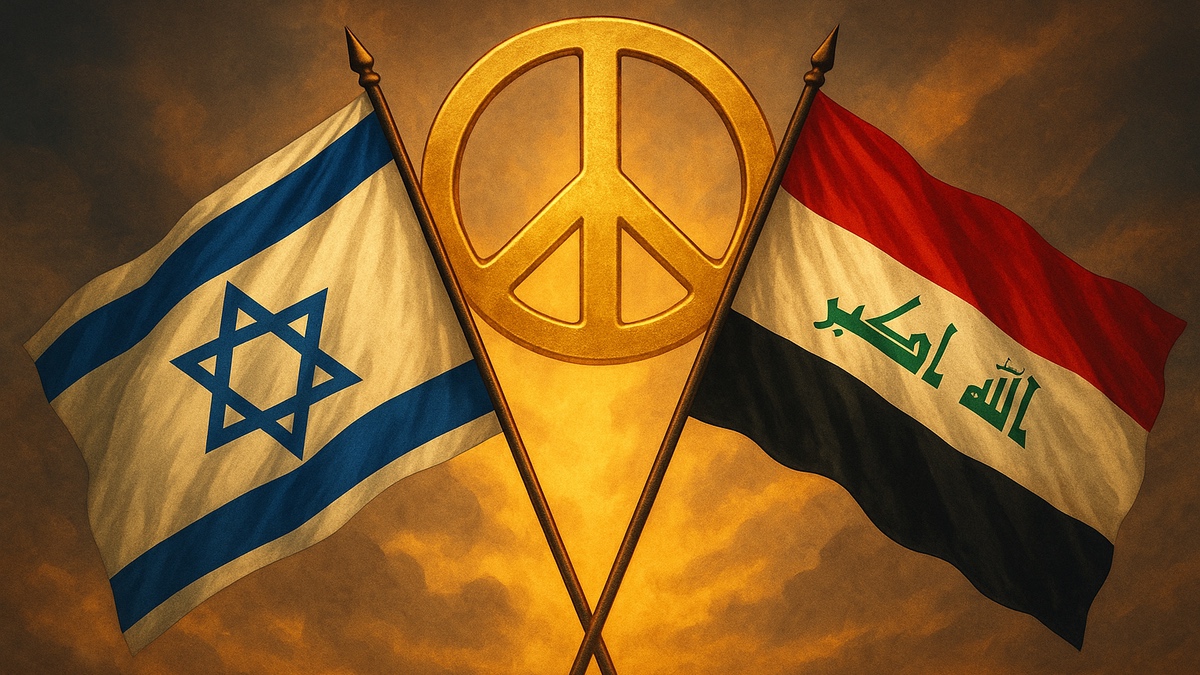
The demonstrative boycott of Netanyahu’s UN speech was meant to isolate Israel – but it achieved the opposite and gave his message a audience of millions.
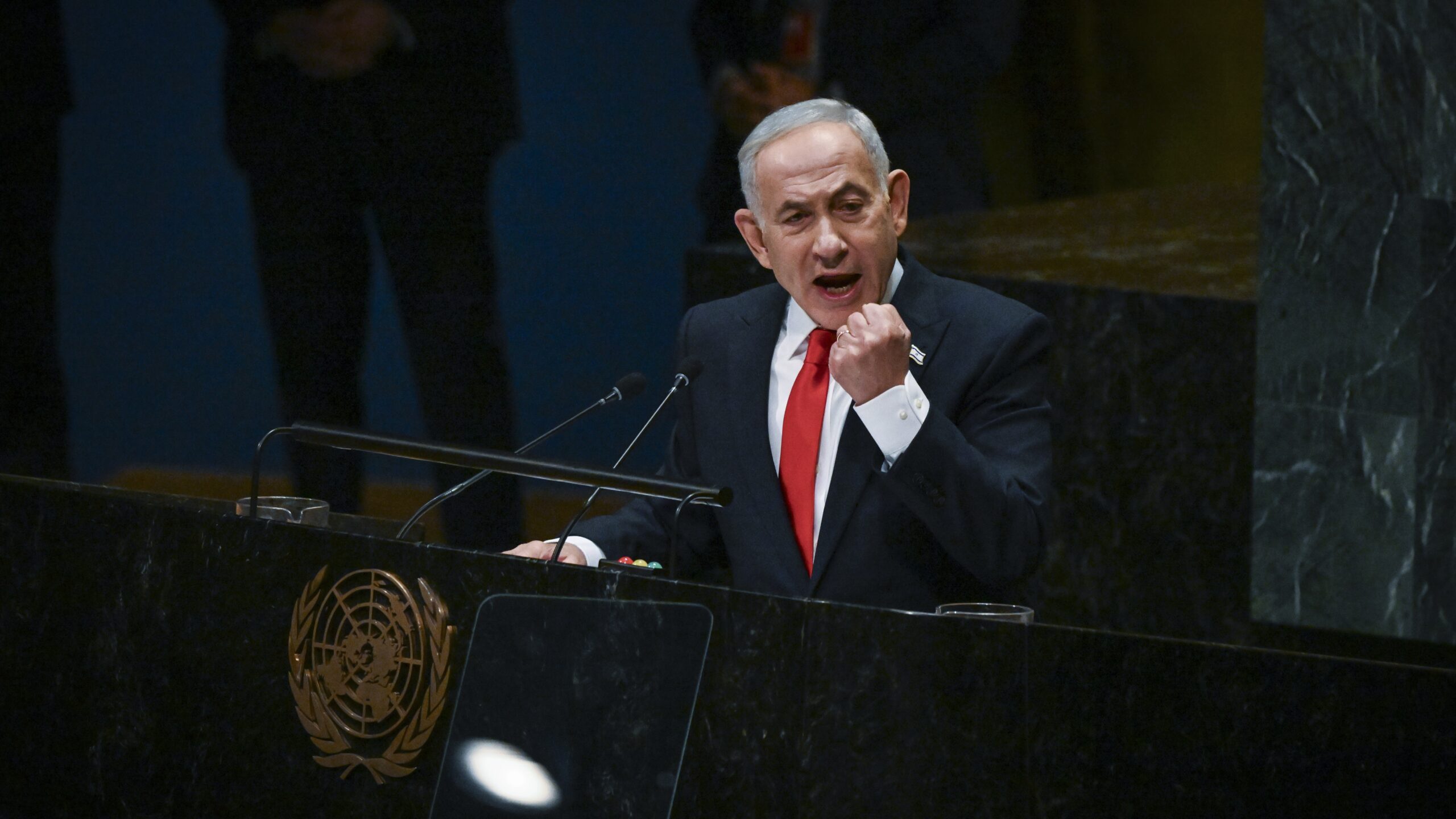
The demonstrative boycott of Netanyahu’s UN speech was meant to isolate Israel – but it achieved the opposite and gave his message a audience of millions.

Are those accusing Netanyahu of having ignored warnings about the Hamas massacre now demanding a preemptive war against the Palestinian Authority? Of course not.
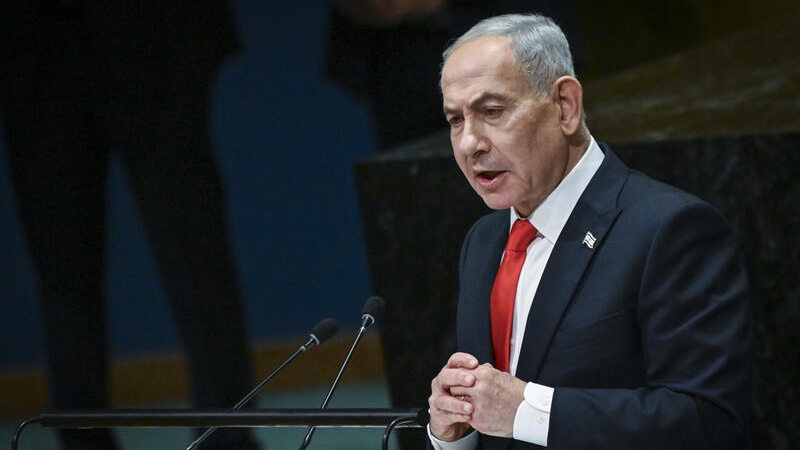
Israeli and American media have reacted to the prime minister’s strong polling with stories claiming that he was forewarned about Oct. 7. But do the voters trust them?
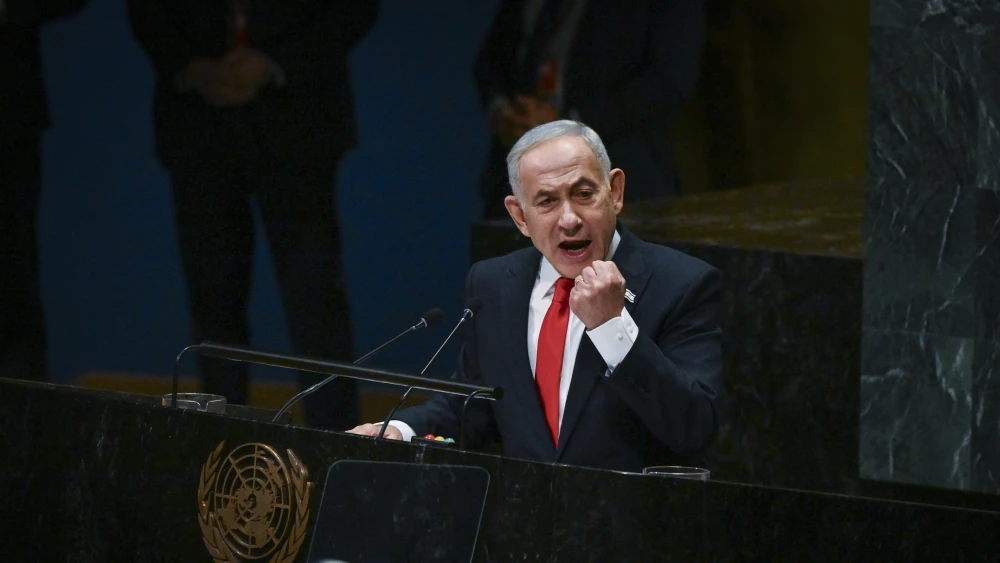
At the United Nations, Netanyahu finally gave the Jews a furious and ferocious voice.
Straight to the point, I say what I think openly and bluntly. Suddenly the ground is shaking again. Not in the Gaza Strip, not in Lebanon and not in Iran, but right in the middle of the Israeli election campaign.
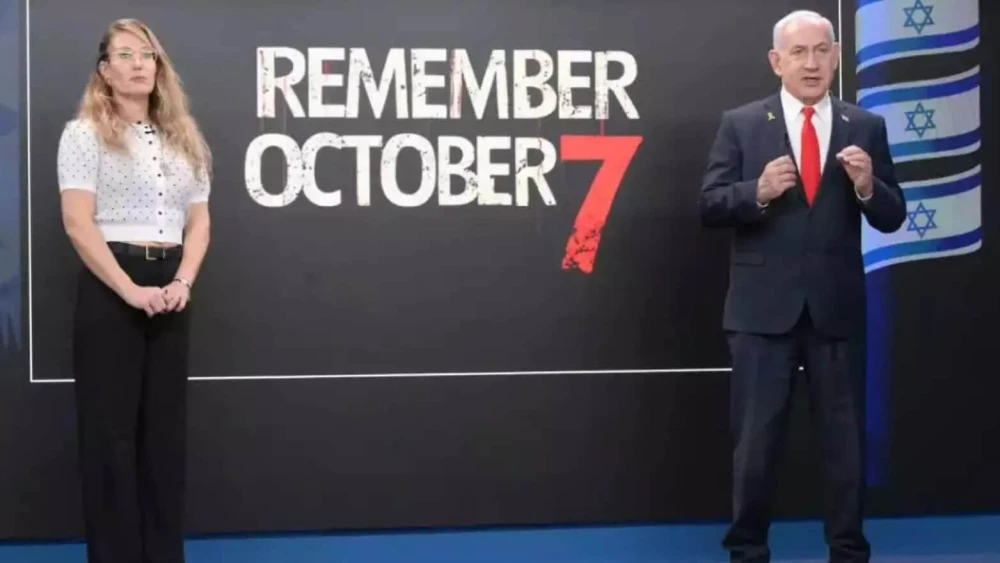
As Israelis prepare to vote on Oct. 27, the political battle over the Israeli prime minister’s responsibility is becoming a central election issue.
An allegation from anonymous sources in a book released for maximum marketing sales is ugly stuff.
Also, polls count the Haredi parties as part of the Israeli prime minister’s bloc, but that tally may need revising.
But Israel says the PM was just echoing similar criticism from US Vice President JD Vance.
Potential successors would be advised to start mentally preparing themselves now to take on the role of “Global-Villain-in-Chief.”