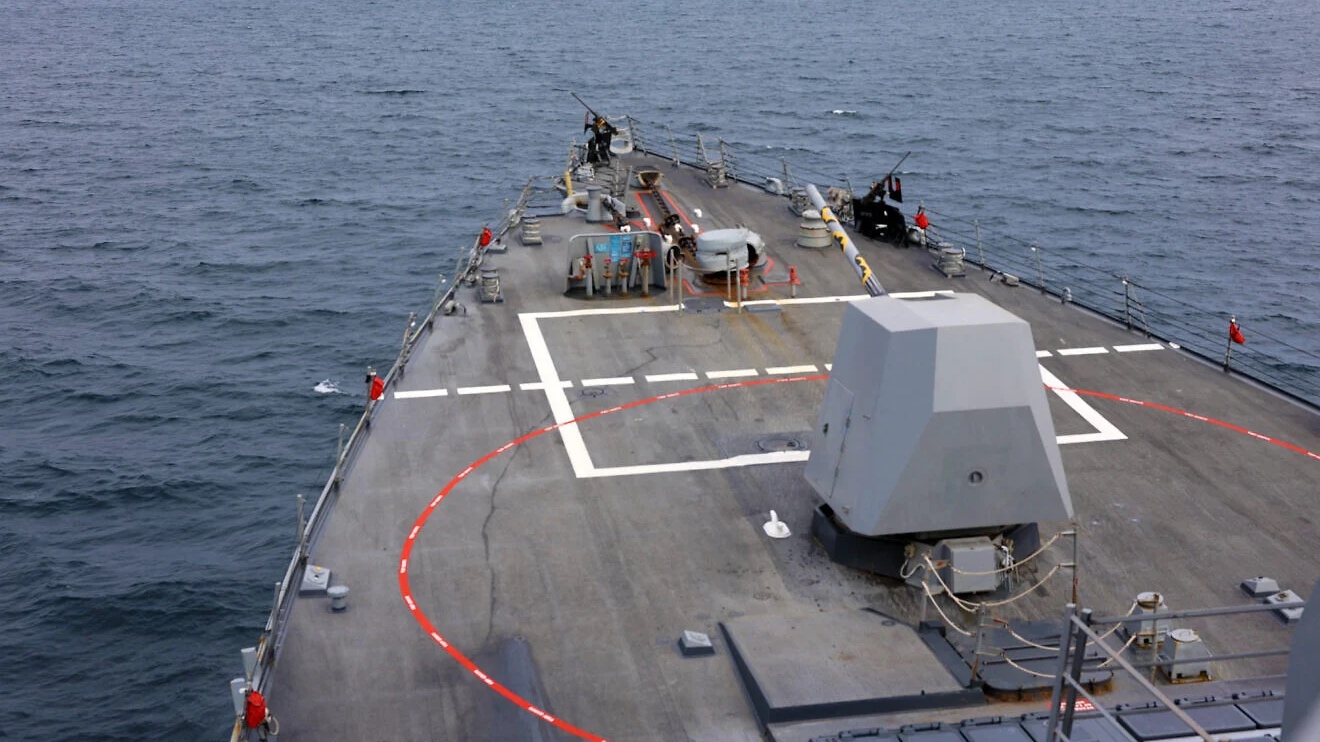

The names of military operations are never merely technical. They are not chosen at random. They shape consciousness, they guide perception, they interpret the event even before it is explained. A name helps determine whether an action is understood as a pinpoint response, as defense, or as a historical turning point.
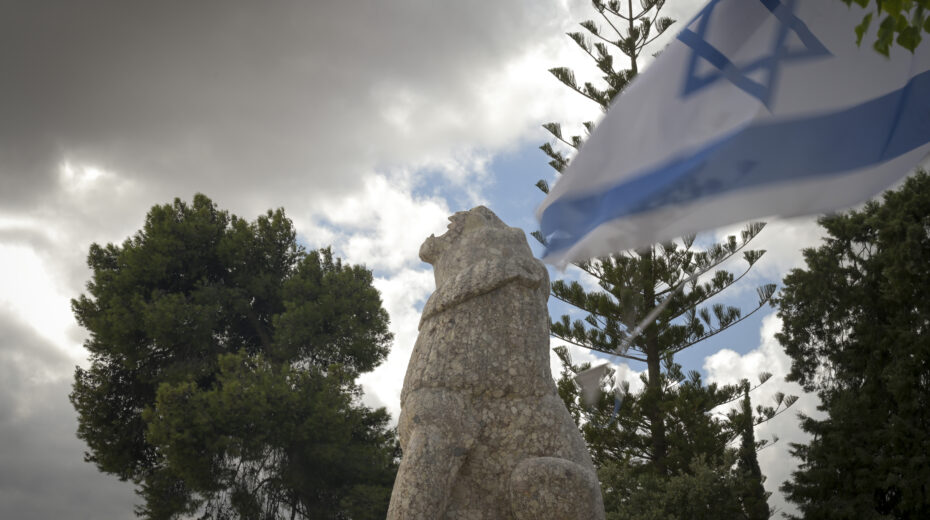
In the past year, one image has repeatedly returned to public discourse: the lion. One operation was named “Am KeLavi” – “A Nation Like a Lion” (officially changed in English to “Rising Lion”). The current operation is called “Roaring Lion.” That the same image has been chosen twice is no coincidence. It points to a deeply rooted symbolism in Jewish tradition.
The origin of this image is found in Jacob’s blessing to his sons. Shortly before his death, he describes the character of each tribe. When he reaches Judah, he uses an unusually powerful metaphor:
“A young lion is Judah. From the prey, my son, you have gone up. He crouched, he lay down like a lion and like a lioness—who dares rouse him?” (Genesis 49:9)
This verse describes a movement. First the young lion—potential. Then the crouching—strength is present, but it is controlled, gathered, under restraint. Finally, the untouchability—no one dares to rouse him. It is not a blessing of explosive aggression, but a blessing of inner sovereignty. Strength here shows itself precisely in the ability not to have to use it constantly.
Over time, Judah became more than a tribe. From his name developed the designation “Jews.” The image of the Lion of Judah is therefore not only historical memory but an identity-forming symbol. It accompanies Jewish self-understanding into the present.
Another biblical voice deepens this dynamic—the prophet Amos:
“The lion has roared—who will not fear? The Lord God has spoken—who can but prophesy?” (Amos 3:8)
In Amos, the roaring does not stand for a battle cry, but for revelation. It is the moment when reality makes indifference impossible. Something happens—and it demands a response. The roar is not merely an expression of strength, but a sign that silence is no longer possible.
Against this background, the names of the most recent operations gain an additional dimension. When the lion in the first case acts “like” a lion and in the second case actually “roars,” a movement is marked. From resting potential to audible signal. From crouching to decision. From restraint to action.
The Bible knows exactly this dynamic. The Lion of Judah is not constantly in motion. Most often he lies still, watchful, present. He gathers strength. But when he rises, it is no random impulse. It is a turning point. A conscious transition.
Perhaps this explains why this image is coming to the fore so clearly right now. It is not only about strength. It is about a change of phase—from a time of endurance, observation, restraint to a time of action. From long silence to roaring.
In this sense, the names of military operations are not mere headlines. They are a contemporary interpretation of an ancient promise. The Lion of Judah is not a static symbol. It stands for movement—between rest and rising, between inner gathering and visible resolve. And when it roars, it is not just a sound of power. It is the sign that a boundary has been reached—and that silence has ended.
Want more news from Israel?
Click Here to sign up for our FREE daily email updates