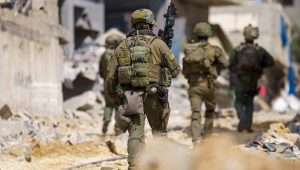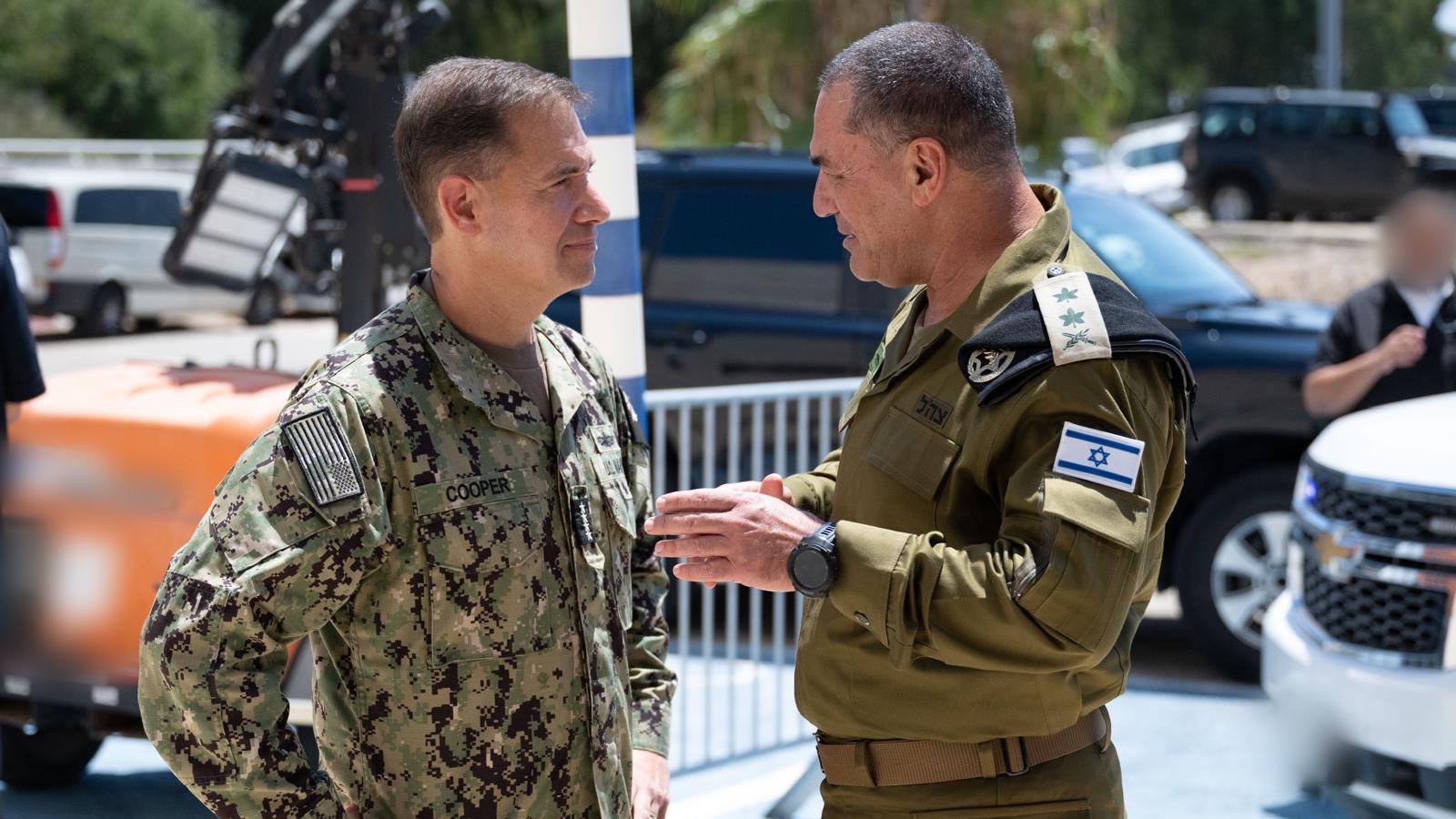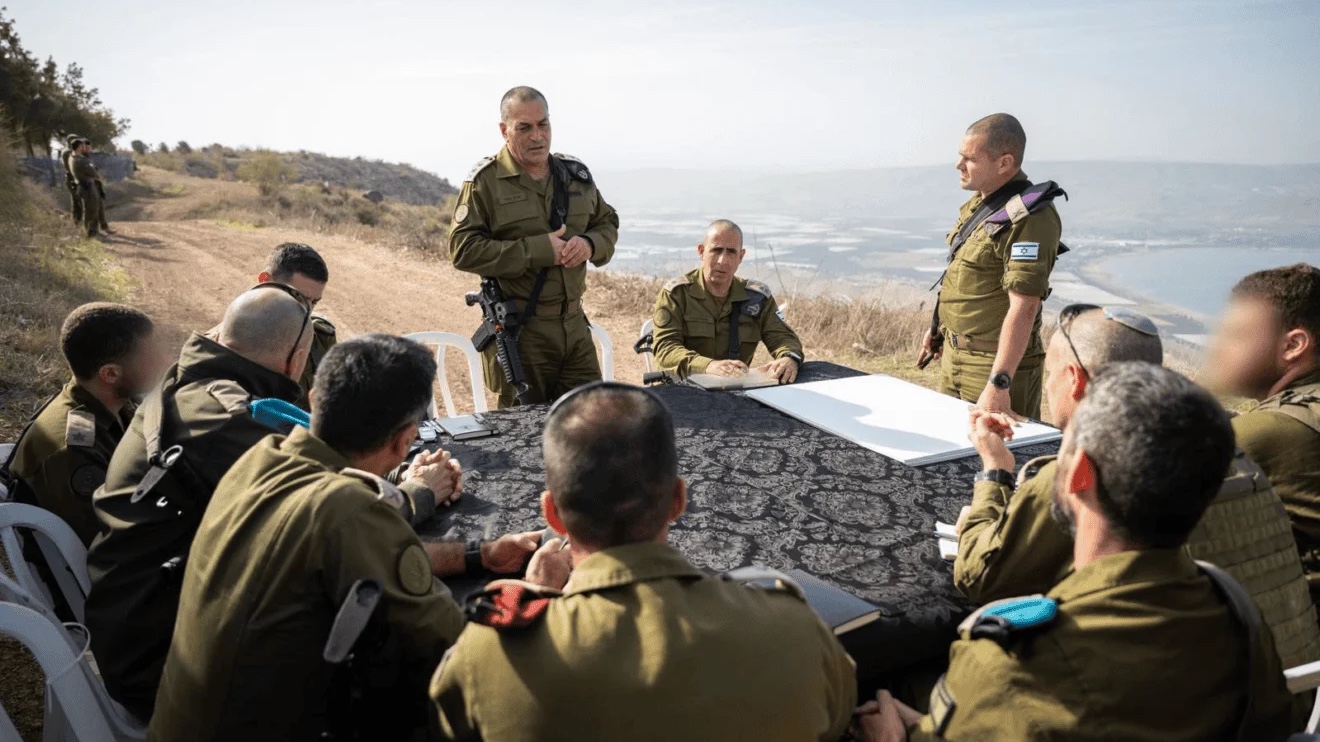
(JNS) The Israel Defense Forces has begun to reformulate its defense doctrine and readiness plans for surprise scenarios across all sectors, implementing a series of shifts designed to prevent a recurrence of the systemic failures of Oct. 7, 2023, a military official told JNS in recent days.
According to a Nov. 22 report by Mako, the new defense plans formulated by the IDF Operations Directorate specifically include “releasing more authorities to field echelons” to speed up response times. The report noted that the plans are designed to better utilize the readiness of readiness squads already present in the communities.
The plans, formulated as part of the lessons learned from the massacre and the subsequent two years of multi-front war, represent a pivot away from centralized command in the initial stages of a surprise attack, instead empowering field commanders to act more autonomously.
According to the military official who spoke to JNS, the updated directives include expanding the authorities of division and brigade commanders regarding the mobilization of troops.
The goal is to enable “shorter operational cycles” and significantly shorten air and ground readiness times, the source stated, ensuring that forces can jump into action without waiting for top-down orders from the General Staff that might be delayed by the fog of war.
“The plans are structured differently and based on a developing operational logic. Additionally, there is an understanding that in a surprise scenario, Israeli communities and their capabilities play a major role,” the military source said. “Therefore, the IDF is strengthening local defense frameworks and rapid-response squads,” including increasing personnel, enhancing the weaponry available in the communities and in the hands of teams on the ground, and reinforcing community-level defensive means as part of the ‘community as a fortress’ concept.”
Under the new doctrine, commanders will have the authority to respond to detected threats independently, activating immediate responses to threats as they emerge. To support this approach, the IDF has designated certain rapid-response reserve brigades that are now on alert for immediate deployment to various sectors.
In a significant innovation, the IDF is also converting its brigade-level training bases into active stand-by forces, rather than focusing solely on training recruits.
The brigade-level bases are “now assigned with alert duties for different regions, connecting them to the relevant division,” the official said. These bases will now “serve as an additional rapid-response force,” effectively transforming thousands of trainees and instructors into an available response force that can be activated instantly to defend their sectors.
These changes are designed to create “stronger defense and improved preparedness for a wide range of scenarios, including unexpected or surprise events,” according to the official, while maintaining “readiness in offensive capabilities as well.”
Brig. Gen. (res.) Dedi Simhi, a former chief of staff of the Home Front Command, told JNS that an inherent tension must be managed carefully when conducting military planning for surprises.
“On the one hand, it is forbidden for the IDF to privatize the defense of the communities and the defense of the border. This is the exclusive sole responsibility of the Israel Defense Forces,” he said. “On the other hand, there is no doubt that independent capabilities must also be given to the communities.”
Simhi cautioned against an over-reliance on civilian squads for high-intensity warfare scenarios. “But I do not expect that in the communities there will start to be tanks and helicopters and planes under the command of the civilian security coordinator,” he said. “The one who is supposed to defend the border in the face of invasions by hundreds and thousands of terrorists is solely the army. A community does not need to cope with invasions on the scale of the seventh of October.”
On Nov. 25, the IDF announced the completion of the “Magen Oz” (Strength Shield) General Staff exercise. Led by the military’s Operations Directorate, the drill tested the military’s readiness for a “range of scenarios” involving full cooperation between the Intelligence Directorate, Air Force, Navy and Ground Forces. According to the official IDF statement, troops operated in a sequence of intensive scenarios that tested “the full range of IDF defensive and offensive directives,” specifically focusing on the activation of readiness protocols and the immediate response to emerging threats.
The statement followed a surprise visit by IDF Chief of Staff Lt. Gen. Eyal Zamir to the exercise on Nov. 24, during which he emphasized the shift from theory to practice.
“After two years of war, our activity continues in all arenas. We are operating without pause for defense and the removal of threats in an offensive manner,” Zamir said. “The IDF is today in the midst of a process of extracting and assimilating lessons, returning to competence, and strengthening the operational and professional foundations.”
Want more news from Israel?
Click Here to sign up for our FREE daily email updates