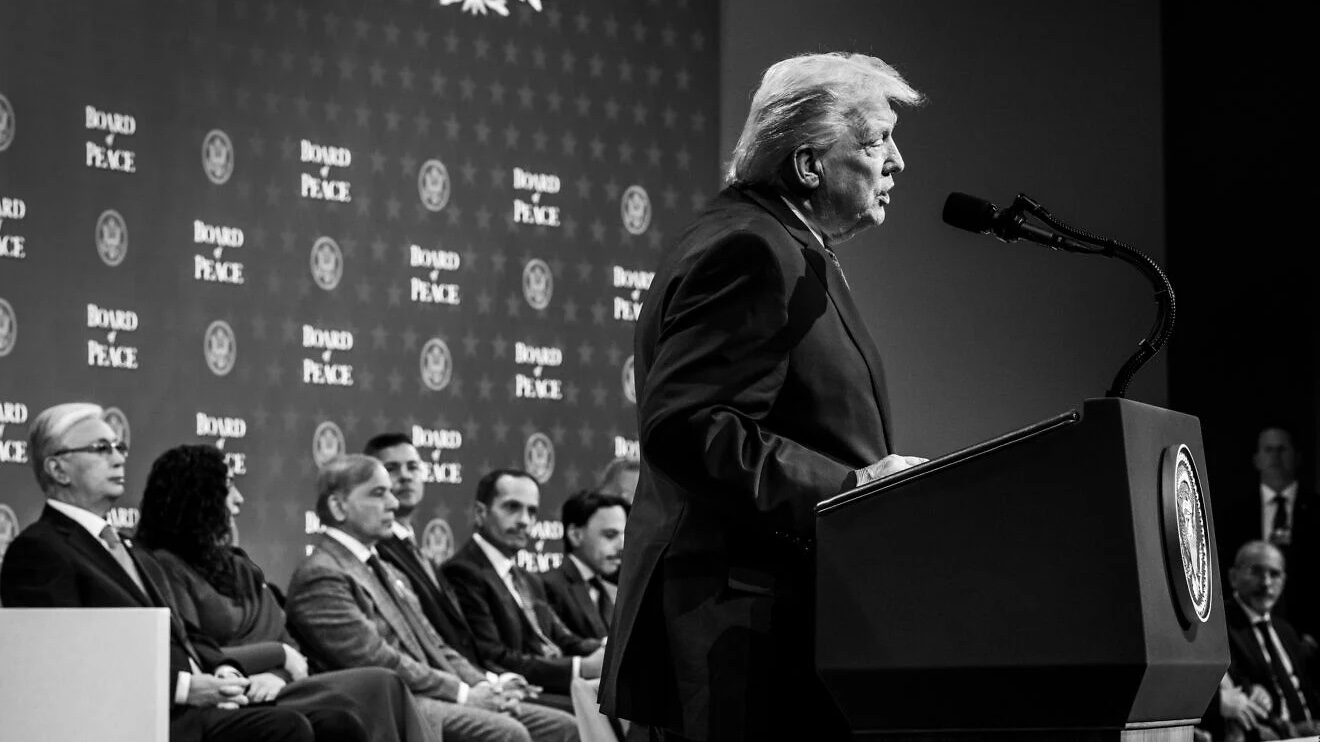

(JNS) The Board of Peace that US President Donald Trump appointed to forge peace and reconstruction in the Gaza Strip is unlikely to forge quietude, even within its own controversial membership, let alone in war-torn Gaza.
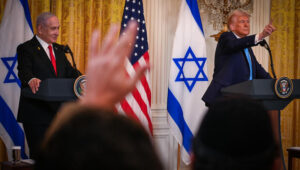
Israeli Prime Minister Benjamin Netanyahu objects that the security and control over the coastal enclave won by Israel’s defeat of the Hamas terror organization will be lost at the hands of Trump’s Board of Peace, which includes Hamas sympathizers and outright antagonists of Israel.
About 60 countries, some hostile towards Israel, have been invited to the board, and to date, 19, including Israel, have accepted. Its Executive Board consists of 12 members, including US Middle East envoy Steve Witkoff, Trump’s son-in-law and adviser Jared Kushner, and several other political, diplomatic and business leaders.
Netanyahu raises three primary objections to the Board of Peace.
1) It includes Hamas sponsors Qatar and Turkey, both of which host leaders of the terrorist group and support it ideologically, morally and financially.
2) Israel lacks veto power, especially over the Board’s actions. Without this, Israel won’t be able exercise authority over crucial issues, such as the timing of Israeli withdrawal from Gaza, demilitarization of the territory and its future governance.
3) Disarming and ejecting Hamas seems unlikely, despite this being the cornerstone of Trump’s peace plan. Neither Turkey nor Qatar can seriously be trusted, or even want to disarm the terrorist group they sponsor. No other country other than Israel has volunteered for this dangerous, necessary work.
In addition to these problems, pacification and reconstruction face major challenges from a continued lack of political stability among the fractured Palestinian factions, the enormous costs and complex logistics of rebuilding a devastated Gaza. Add to that the potential conflicts among board members whose priorities clash with the strategic interests of Israel and the United States.
In short, the chances of Trump’s Board succeeding look slim, especially if Israel—the most powerful player on the ground—is disenfranchised from the process. The president and his adviser-architects of the board will likely be forced to rethink the group’s composition or face an embarrassing failure.
Turkey and Qatar want to rebuild Hamas, not destroy it. Thus, having representatives of these countries on the Executive Board compromises Israel’s security.
Both countries espouse the Islamist ideology of the Muslim Brotherhood. Both also provide a safe haven for Hamas and finance the terrorist group. For instance, Qatar gave $30 million per month to Hamas between 2012 and 2023, according to a Qatari official.
The two representatives from Qatar and Turkey on the Executive Board are Turkish Foreign Minister Hakan Fidan and senior Qatari diplomat Ali Al-Thawadi. Fidan has accused Israel of genocide and claims Israel represents the “primary security threat to the Middle East.” He also expressed “deep sorrow” after top Hamas terrorist Ismail Haniyeh was assassinated in Iran in July 2024.
Netanyahu fears Qatar’s financial leverage and Turkey’s military ambitions could channel funds or forces in ways that rebuild Hamas infrastructure under the guise of humanitarian aid.
Israel cannot ensure its security without a veto. Netanyahu wants veto power in Trump’s Gaza plan to control key security aspects, particularly the terms and timeline of any Israeli military withdrawal from Gaza, and the demilitarization of the territory.
Netanyahu also wants to guarantee that Gaza’s future governance isn’t determined by Hamas or the Palestinian Authority, both of which he views as hostile. Hence, he wants to prevent threatening developments, such as a return of armed groups or a political settlement that undermines Israel’s security or political priorities. Above all, the prime minister wants to ensure Gaza never again poses a threat to the Jewish state.
Trump’s Board won’t disarm Hamas. Thoughmost of Hamas’s military infrastructure has been destroyed, the terrorist group still retains significant capabilities, including thousands of fighters, rockets and much of its tunnel network still intact. Trump promised that Hamas would disarm, most recently saying that they would be “blown away” if they don’t. Hamas, however, has continually insisted it won’t disarm. On the contrary, they are doing their best to rearm in the 47% of Gaza they still control.
Certainly, Turkey and Qatar won’t disarm the terrorist group they nurtured, as it would contravene their agenda to destroy Israel and spread the creed of Islamic fundamentalism worldwide. But no other country is willing to disarm Hamas, except Israel.
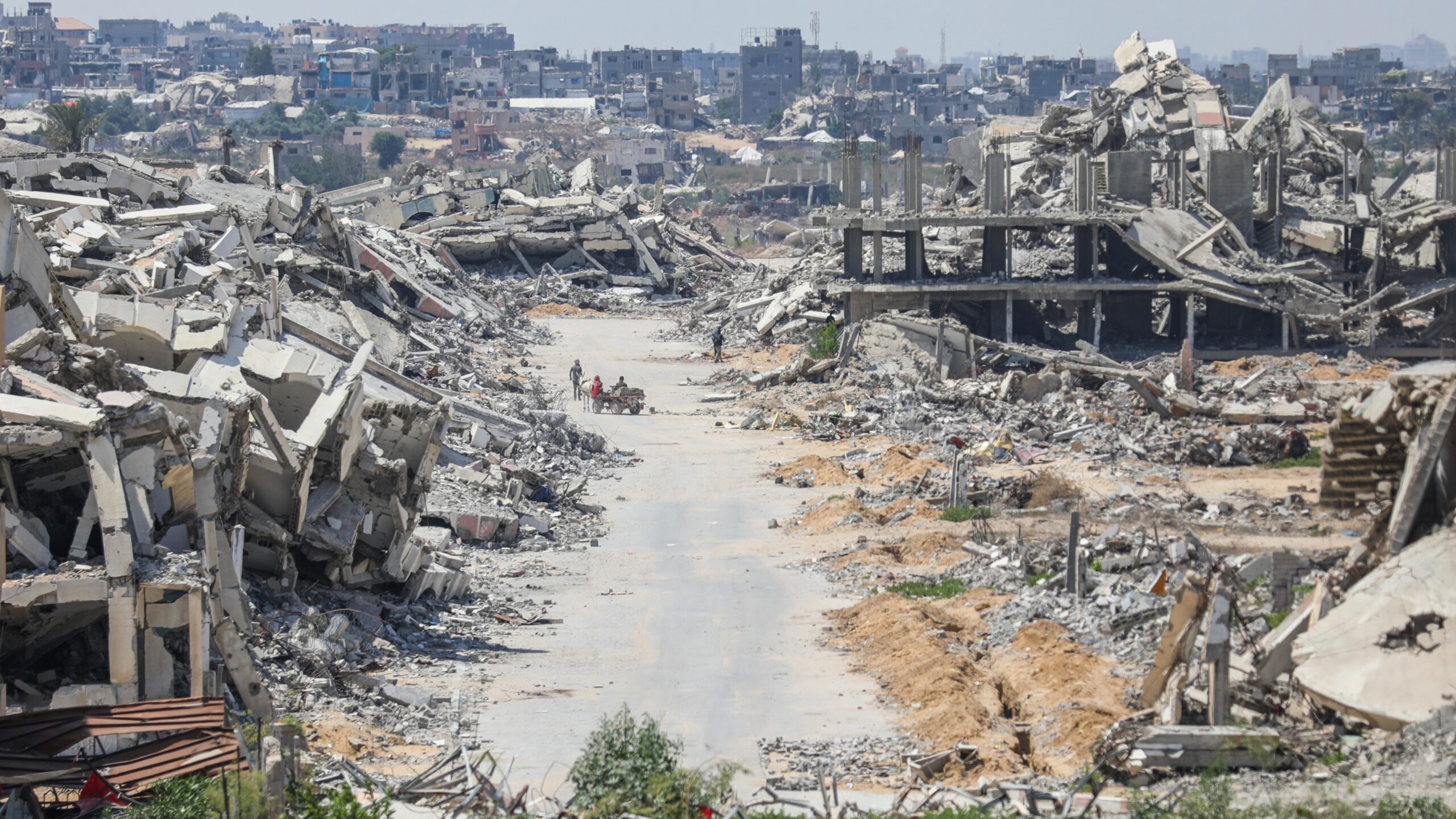
Rebuilding Gaza is an almost insurmountable task. For starters, the Palestinian leadership is completely fractured, with Hamas in control of Gaza before the war and the Fatah-led PA in control of Palestinian territory in Judea and Samaria (the West Bank). The Palestinians have proven incapable of creating a unified leadership, let alone one willing to make peace with Israel.
Furthermore, rebuilding Gaza will cost an estimated $70 billion, according to an assessment conducted jointly by the United Nations, European Union and World Bank. So far, however, formal, large-scale pledges of funding for reconstruction remain minimal and tentative. There are also difficult logistical challenges, including debris removal, infrastructure renewal and humanitarian aid.
Most importantly, Israel, the United States and many donors insist that no reconstruction can commence as long as Hamas remains in Gaza.
Trump’s plan requires Israeli cooperation and the removal of Hamas to succeed. Indeed, Israel controls all access to the Gaza Strip. Nothing and no one goes in or out of the territory without Israel’s permission.
To achieve peace and reconstruction, Hamas cannot be allowed to exist in any form. It must be decommissioned, disarmed, disenfranchised and decapitated. This will require another miracle by Trump—or Israel.
Want more news from Israel?
Click Here to sign up for our FREE daily email updates