
Hezbollah fired rockets from Lebanon into Israel overnight Sunday, triggering air-raid sirens in Haifa and across parts of the Upper Galilee, as Israel’s war with Iran pushes Tehran’s proxy network toward a familiar dilemma: stand down, or be pulled into a fight that will be fought on Israel’s terms.
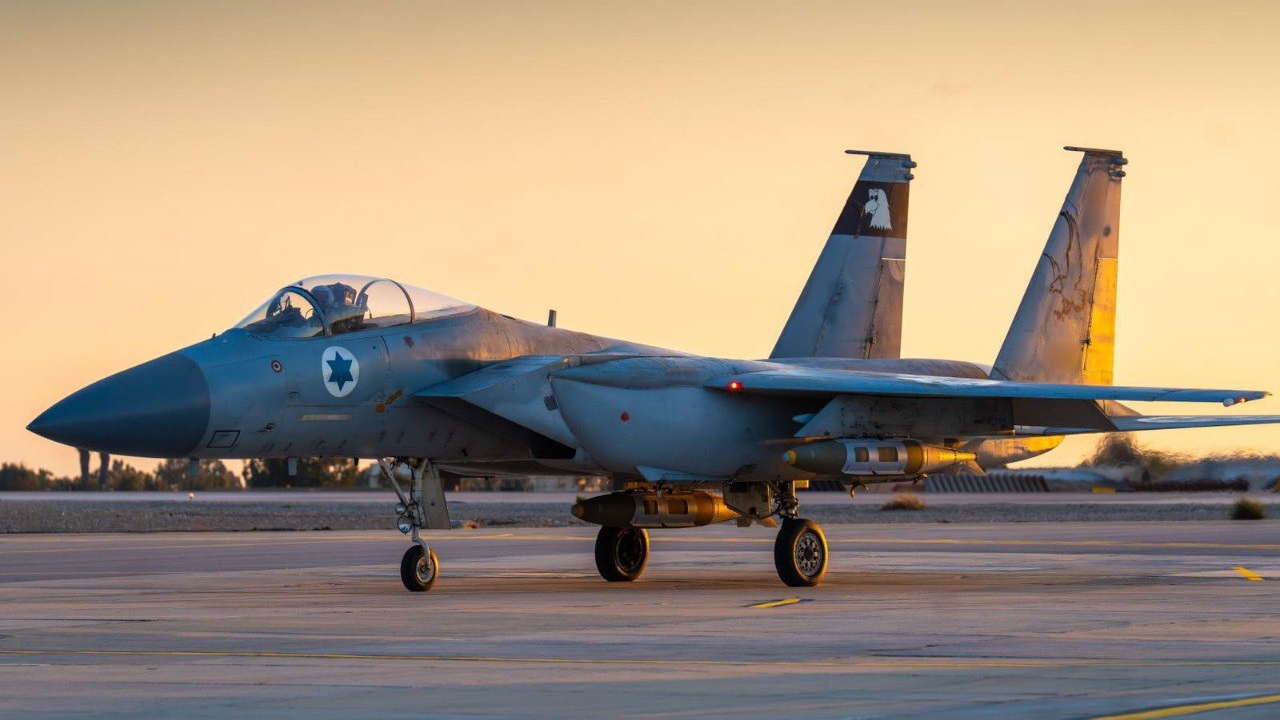
The Israel Defense Forces said several projectiles were launched from Lebanon into Israeli territory. At least one was intercepted by the Israeli Air Force, while the remainder fell in open areas, according to the military.
Within hours, the IDF struck senior Hezbollah targets in the Beirut area and launched a broader wave of strikes across southern Lebanon, targeting what the military described as command sites and operational infrastructure.
Following the launch of “Operation Roaring Lion,” Israel warned Lebanon, via the United States, to keep Hezbollah from joining the fighting. But there were indications that Iran and its IRGC were not going to let Hezbollah sit out this war, as it did the so-called “12-Day War” in June of last year.
“Fully responsible” — and the message to Lebanon
IDF Chief of Staff Lt. Gen. Eyal Zamir convened a situational assessment with the General Staff and ordered preparations for continuous offensive and defensive operations, the military said.
“Hezbollah opened a campaign against Israel overnight and is fully responsible for any escalation,” Zamir said, adding that the IDF was prepared for this scenario as part of standard combat preparations tied to Operation “Roaring Lion.”
Israel is aware that Hezbollah does not act as a sovereign Lebanese actor, but rather as a forward arm of Iran. Even so, Lebanon bears full responsibility for all hostilities directed at Israel from its territory.
Lebanon, stressed the Israeli army chief, must know that it will bear all the consequences for having allowed Hezbollah to establish itself in the country and use Lebanon as a launch pad for assaults on Israel.
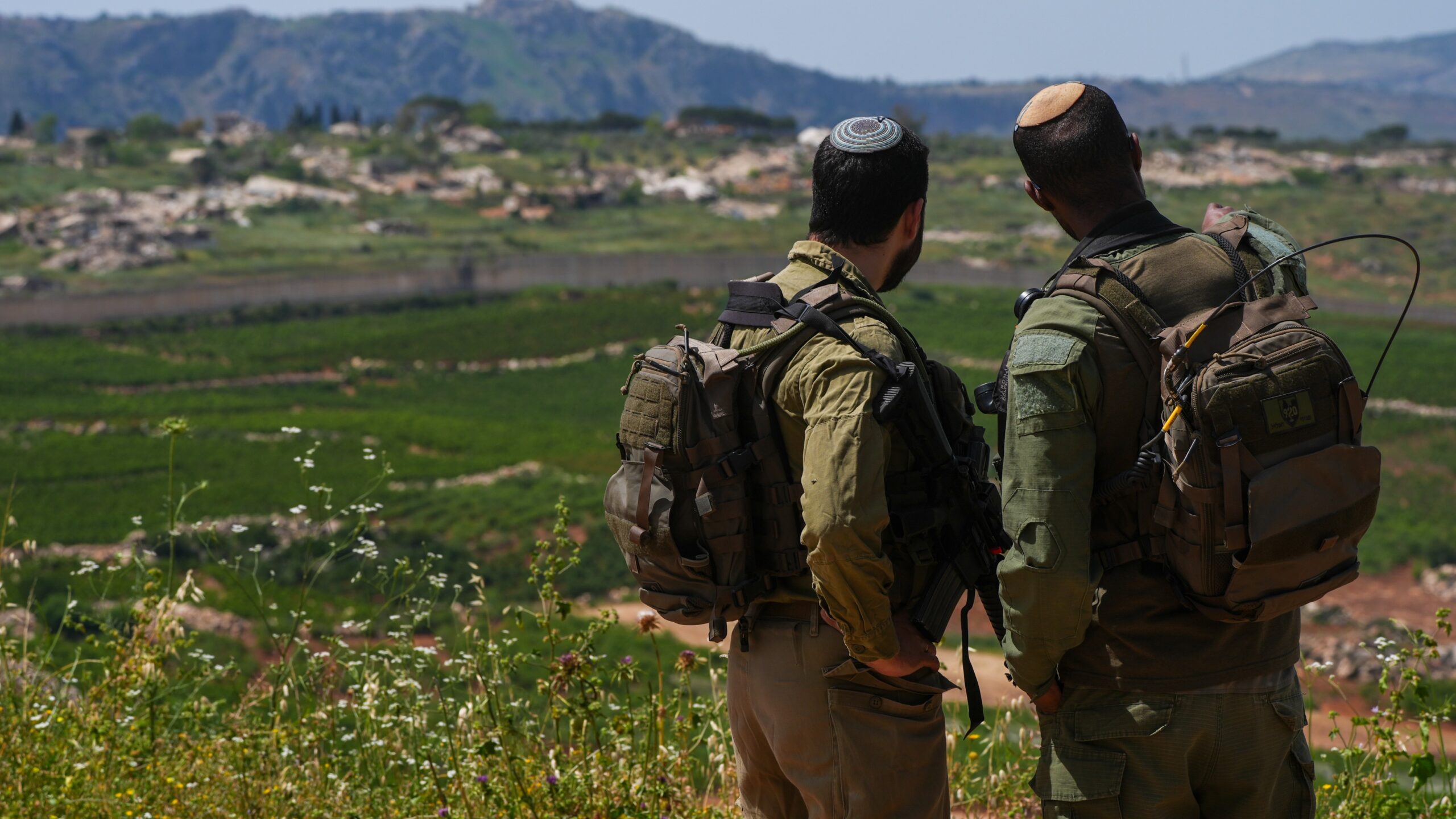
Northern Command head Maj. Gen. Rafi Milo delivered a similar line, saying Hezbollah had chosen the Ayatollahs in Tehran over Lebanon and would “pay a heavy price,” while promising northern residents reinforced defenses along the border.
The backdrop: Hezbollah’s public posture and Israel’s private warning
Hezbollah had condemned the Israel–US operation against Iran days earlier, urging the region to “stand strong” against what it called American-Israeli “hostile designs,” and predicting failure for the allied campaign.
Reuters reported that two senior Lebanese officials said Israel had warned Beirut through intermediaries that heavy airstrikes could follow—including against major civilian infrastructure—if Hezbollah entered the war.
Hezbollah acted, Israel responded, and Lebanon is again forced to confront the basic reality it has tried to avoid since 2006—there is no such thing as a “resistance” organization that operates independently of state consequence.
Beirut strikes: calibrated, but not symbolic
Israel’s strikes in the Beirut area are not routine. Beirut is Hezbollah’s political and operational gravity center. When Israel hits there, it is signaling that Hezbollah’s leadership, not just its border assets, is on the table.
Reuters reported the strikes were the most intense Israeli action since the 2024 Israel–Hezbollah war, and that Lebanese authorities reported casualties from the overnight Israeli airstrikes. The Guardian similarly described heavy strikes in Hezbollah-controlled areas, including Dahieh (Dahiyeh), Hezbollah’s southern Beirut stronghold.
The ceasefire that didn’t disarm
Lebanon’s government pledged—again—to disarm Hezbollah under a US-brokered ceasefire agreement reached in November 2024, after the war that began when Hezbollah joined Hamas’s October 2023 assault on Israel.
That pledge has been the political equivalent of “thoughts and prayers.”
Hezbollah remains armed, organized, and operational—precisely because it is not merely a Lebanese faction. It is an Iranian project with a Lebanese address. When Tehran’s core capabilities are under pressure, the proxies are expected to complicate the battlefield, dilute Israeli focus, and generate new leverage.
This is the strategic heart of the “axis” model: Iran absorbs fewer direct costs while exporting risk through partners who pay in local ruin.
What happens next
The immediate military picture is straightforward: Hezbollah fired, Israel struck, and the IDF is preparing for sustained activity on the northern front while continuing major operations tied to Iran.
Hezbollah’s choice forces Lebanon to answer a question it keeps deferring: Who governs Lebanon—its elected institutions, or an armed militia whose strategic decision-making is ultimately shaped by the Islamic Revolutionary Guard Corps?
And Israel’s message, stated without apology, is that it will not permit “managed escalation” designed to bleed Israel while insulating Hezbollah’s senior leadership and core infrastructure. If Hezbollah enters the war, it does so with full responsibility—and with the understanding that Israel’s response will not be confined to border skirmishes.
Want more news from Israel?
Click Here to sign up for our FREE daily email updates