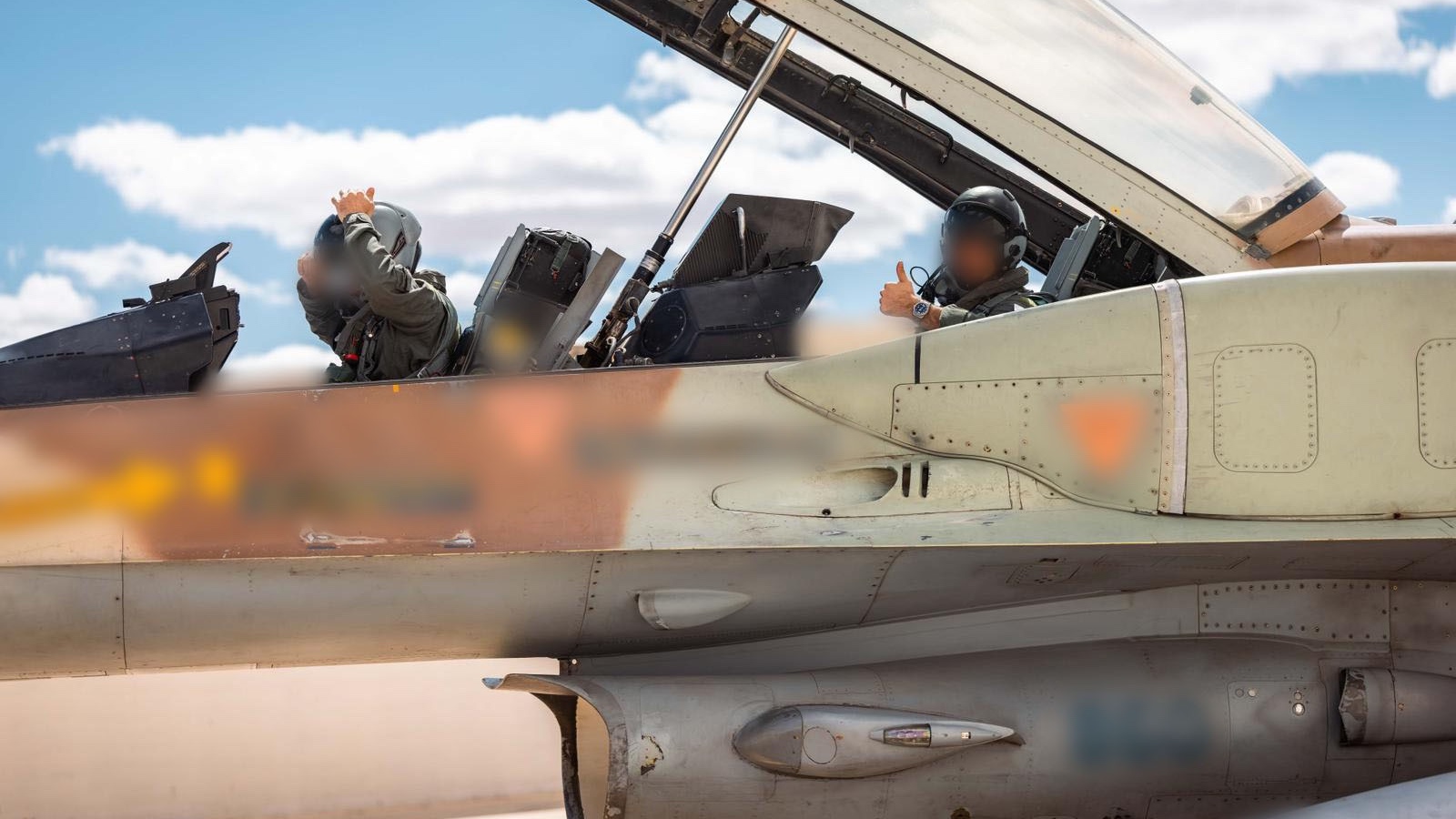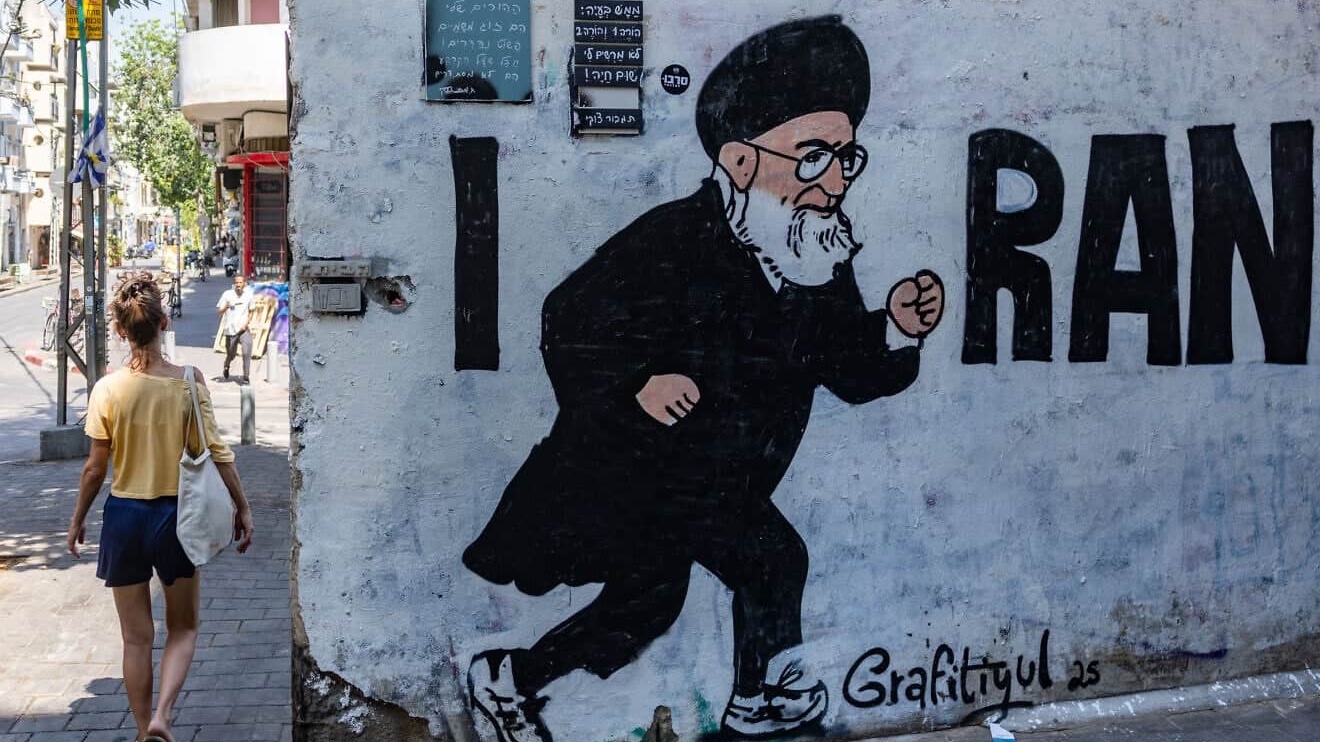
(JNS) In a stunning turn of events that has already reshaped the Middle East, the United States and Israel launched a decisive joint strike against the Iranian regime on Saturday, killing Iranian Supreme Leader Ayatollah Ali Khamenei and dozens of other senior figures in the opening strikes.
Iran responded with waves of ballistic missiles aimed at Israeli cities and Gulf targets, while its Lebanese proxy Hezbollah opened a second front with rocket and drone attacks on Israel’s north. The regime’s retaliatory fury failed to mask its vulnerability: across Tehran and other cities, ordinary Iranians poured into the streets in open celebration, a sight unthinkable only months earlier.
Yet much of the Western left, along with figures ranging from Israeli Knesset member Ofer Cassif to former US Vice President Kamala Harris and UN Secretary-General Antonio Guterres chose to condemn the operation as a threat to world peace rather than acknowledge the removal of a chief sponsor of regional terror.
Iranian President Masoud Pezeshkian called it a “declaration of war against Muslims,” while Rep. Ilhan Omar (D-Minn.) suggested the timing during Ramadan revealed anti-Muslim bias.
This moment marks more than a tactical victory. It forces a clear-eyed reassessment of Israel’s long-term security environment, one that looks beyond the collapsing Shi’ite axis to the quieter but no less dangerous rise of Sunni radical networks and the unresolved Palestinian issue.
Edmund Fitton-Brown, a former UK Ambassador to Yemen now at the Foundation for Defense of Democracies, and Menahem Merhavi, an Iran and regional politics specialist at the Hebrew University of Jerusalem, both see the strike as a historic opening, yet neither indulged in triumphalism. Their assessments reveal a region where immediate gains against Iran must be secured against deeper, slower-burning threats.
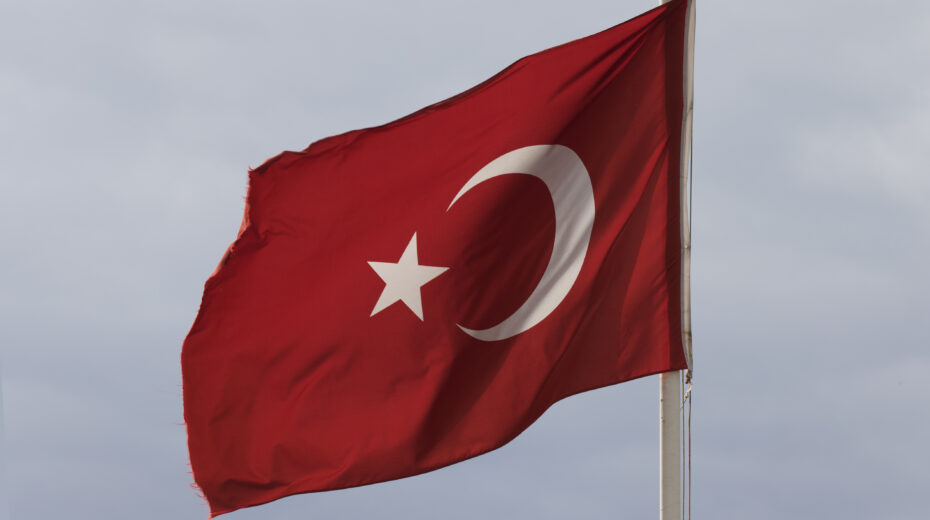
Fitton-Brown leaves no doubt that the Sunni Muslim Brotherhood network, centered in Turkey and Qatar with elements still active in Egypt and Europe, has become a major strategic danger to both Israel and the West. He described a patient project of infiltration and ideological subversion that stretches over decades.
He told JNS he agrees that the Sunni Muslim Brotherhood is becoming a major threat.
“This has been building over time,” he said. “It was set back in Egypt with the fall of [former Egyptian President Mohamed] Morsi, but Egyptians are still among the key MB thinkers and leaders, often present in London or Istanbul rather than in Egypt itself.”
“The threat is one of long-term infiltration and ideological subversion,” he added. “The MB project in Europe and North America is on a timeline of decades or longer.”
Even after the 2013 removal of Morsi in Egypt, Brotherhood thinkers and operators simply relocated to London and Istanbul, where they master Western legal systems, leverage migration patterns, and rely on higher birthrates to build political influence.
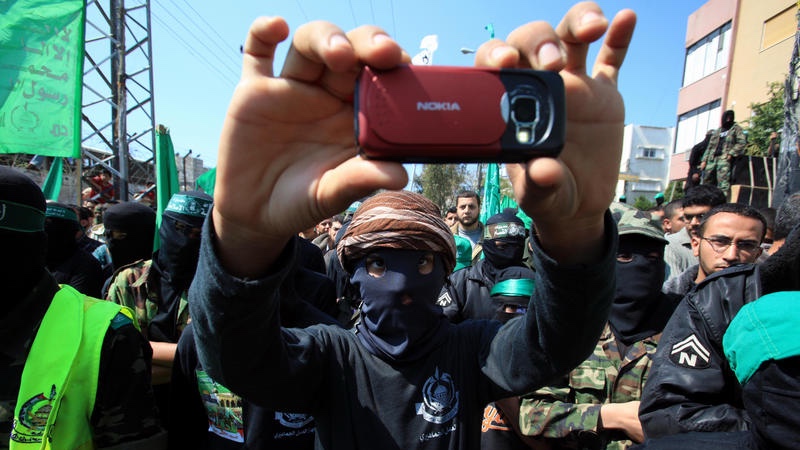
Their open backing of Hamas and the Houthis has finally made it easier for governments to designate them as violent actors, leading to fresh US proscriptions. Turkey’s alignment against the West in the Iran conflict has already cost it leverage, while Qatar has been compelled to adjust course.
Fitton-Brown’s prescription is straightforward and resolute: maintain a relentless focus on intelligence and steadily broaden designations and enforcement actions. According to him, only sustained pressure will prevent the Brotherhood from further eroding Western support for Israel.
The potential fall of Iran’s Islamic Republic, both experts agree, offers the West and its regional partners an enormous strategic prize, provided the opportunity is seized.
Fitton-Brown, also a former UN counterterrorism coordinator, told JNS that a post-Khamenei Iran, backed by serious investment and diplomatic engagement, could transform into a constructive player whose educated population and resources make it a natural partner for the United States and Israel.
“The fall of the Islamic Republic regime in Iran is potentially a huge benefit to the West and its allies in the Middle East,” he said. “It will be vital to invest heavily in supporting an Iran that breaks with old policies and seeks to become a constructive member of the international community.”
Fitton-Brown added that the Iranian people “could become key allies of the United States and Israel in the Middle East region. Qatar would then be easily corralled by the Saudis. Turkey might remain a threat, but it would be easier to contain.”
Merhavi is more cautious about the speed of change. He told JNS that the Islamic Revolutionary Guard Corps is well-positioned to preserve its control, possibly evolving into an outright military dictatorship rather than yielding to democracy. Public sentiment remains divided: roughly 15% are hard-core regime loyalists ready to fight, another 15% are committed opponents, and the large silent majority will tip the balance only if a genuine crisis erupts.
Still, Merhavi acknowledged a profound psychological shift. The open celebrations after Khamenei’s death prove that the barrier of fear “has been shattered,” and Iran’s once-powerful proxy network has been reduced to ruins over the past two and a half years. These cracks, in Merhavi’s view, are real and exploitable.
Yet Merhavi told JNS that he believes the greatest long-term challenge for Israel is not Iran or even Turkey, but the Palestinian issue. He calls it the “next challenge and the bigger one in the longer term,” the central narrative that binds Israel’s adversaries together and supplies endless diplomatic oxygen to anti-Israel coalitions.
Iran’s hostility always drew strength from this issue; even with Tehran weakened, an unresolved Palestinian conflict will continue to fuel proxy mobilization and international condemnation. According to Merhavi, addressing it strategically is not a concession but a necessity if tactical successes are to translate into lasting security.
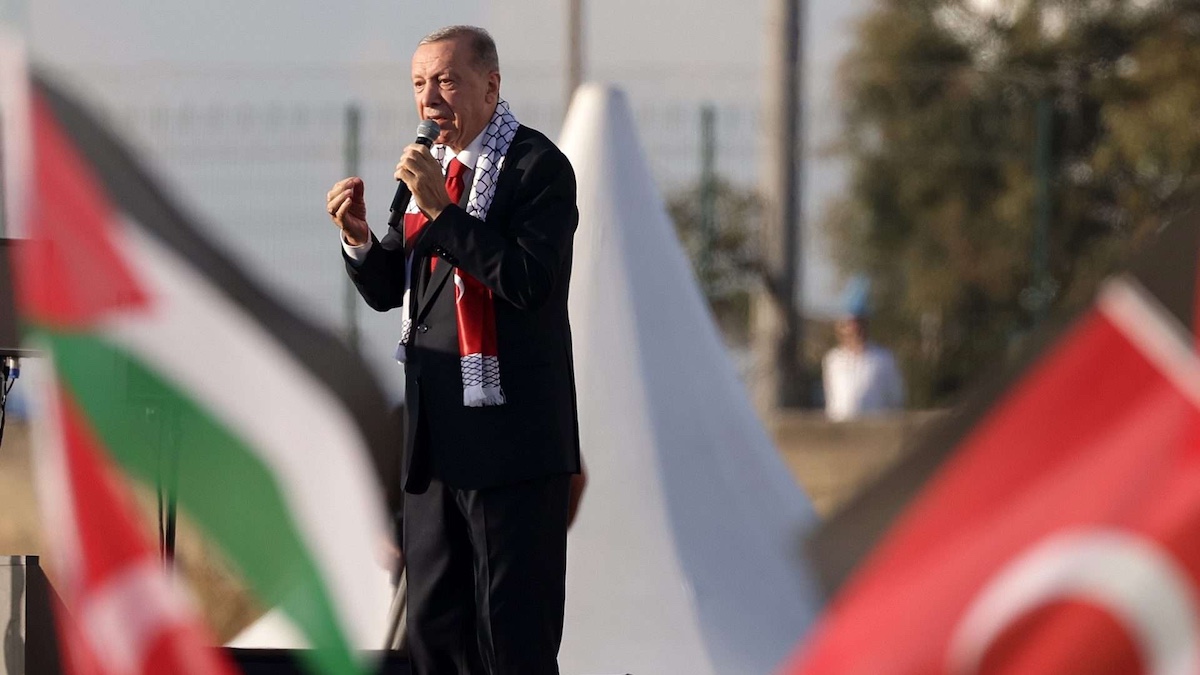
On Turkey itself, Merhavi offered measured reassurance. In his view, Ankara is an opportunistic competitor rather than an existential foe. Its intervention in post-Assad Syria has inadvertently benefited Israel by expelling Iranian influence from that country. Turkey remains a NATO member with deep ties to the United States, and its ideology, while increasingly religious-nationalist under President Erdoğan, stops well short of the apocalyptic anti-Western vision embraced by Iran.
Merhavi told JNS that secular institutions in Turkey endure, no sweeping Sharia laws have been imposed, and cultural and linguistic barriers prevent Turkey from becoming a natural leader of the Arab world. Turkish influence in Syria, Gaza or Eastern Jerusalem, therefore, has natural limits. Vigilance is required, he said, but there is no need for panic. Merhavi described any major concern as “a little bit of an exaggeration.”
The strategic picture that emerges in the Middle East is one of guarded opportunity. The Shi’ite axis lies broken, its proxies shattered and its supreme leader gone. A window has opened for Israel to consolidate gains, contain the Sunni Brotherhood challenge through steady pressure and, in Merhavi’s view, finally confront the Palestinian strategic knot.
But Fitton-Brown didn’t include the Palestinians as a major threat to Israel. He told JNS the West must “maintain our focus on the Muslim Brotherhood and gradually expand proscriptions and enforcements against it. It will need the same determination, under similar authorities, as those used to defeat communism last century.”