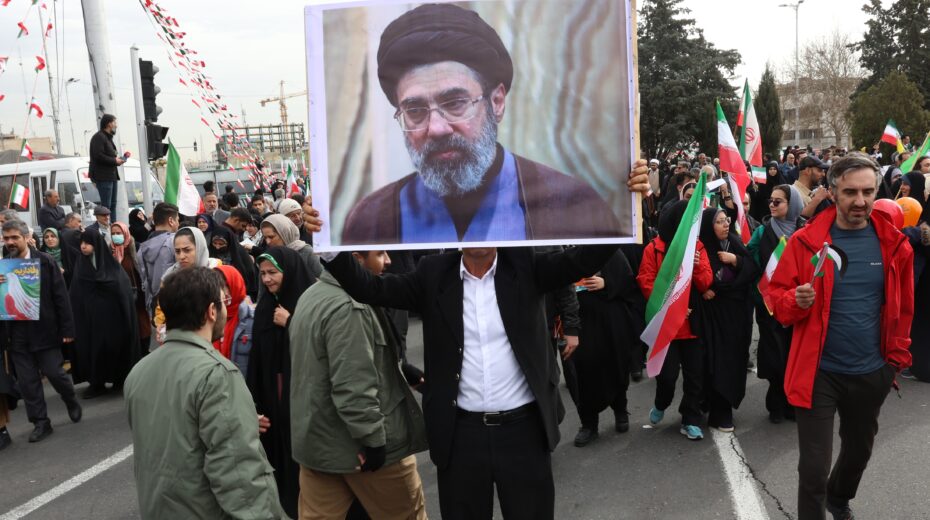

Mojtaba Khamenei (56), the son of the long-time Iranian leader, now stands at the head of the Islamic Republic – a man who exerted influence in the background for years and has now officially risen to the top of the regime.
Mojtaba’s rise is being closely watched in the region. Observers see him as a figure deeply rooted in the power apparatus of the Iranian system and maintaining close ties to the Revolutionary Guards. His role in the political center of the country began long before he assumed any official office.
Influential figure in the inner circle of power
For many years, Mojtaba Khamenei was considered one of the most important actors in the circle around his father, Ali Khamenei. Although he rarely appeared in public, he is said to have wielded considerable influence within the system.
Analysts report that Mojtaba often controlled access to the office of the Supreme Leader, thereby exerting direct influence on political decisions. Particularly important was his closeness to the Revolutionary Guards, the most powerful military organization of the Islamic Republic.
The Islamic Revolutionary Guard Corps (IRGC) swore allegiance to the new Supreme Leader and declared that it was “ready to fully obey the divine commands of the current Guardian Jurist, His Eminence Ayatollah Seyyed Mojtaba Khamenei, and to sacrifice itself.”
This connection gave him significant weight within the country’s political elite. Critics of the regime see this as an example of how much Iran’s political system is shaped by informal power structures.
Succession despite earlier reservations
Remarkably, Mojtaba’s own father is said to have originally not intended him as a direct successor. According to reports, Ali Khamenei had named other possible candidates in earlier considerations.
The appointment of his son is therefore seen by some observers as a surprising development. This step is particularly symbolic because the Islamic Republic was founded to replace the monarchical system of the Shah.
A power transfer from father to son thus appears to many critics as a paradoxical development within a system that originally explicitly opposed dynastic rule.
At the same time, some analysts see Mojtaba as a representative of a particularly hard line within the regime. His closeness to conservative religious circles and to the Revolutionary Guards could indicate that Tehran’s policy toward the West and toward Israel will remain confrontational.
How long will he live?
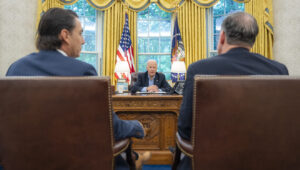
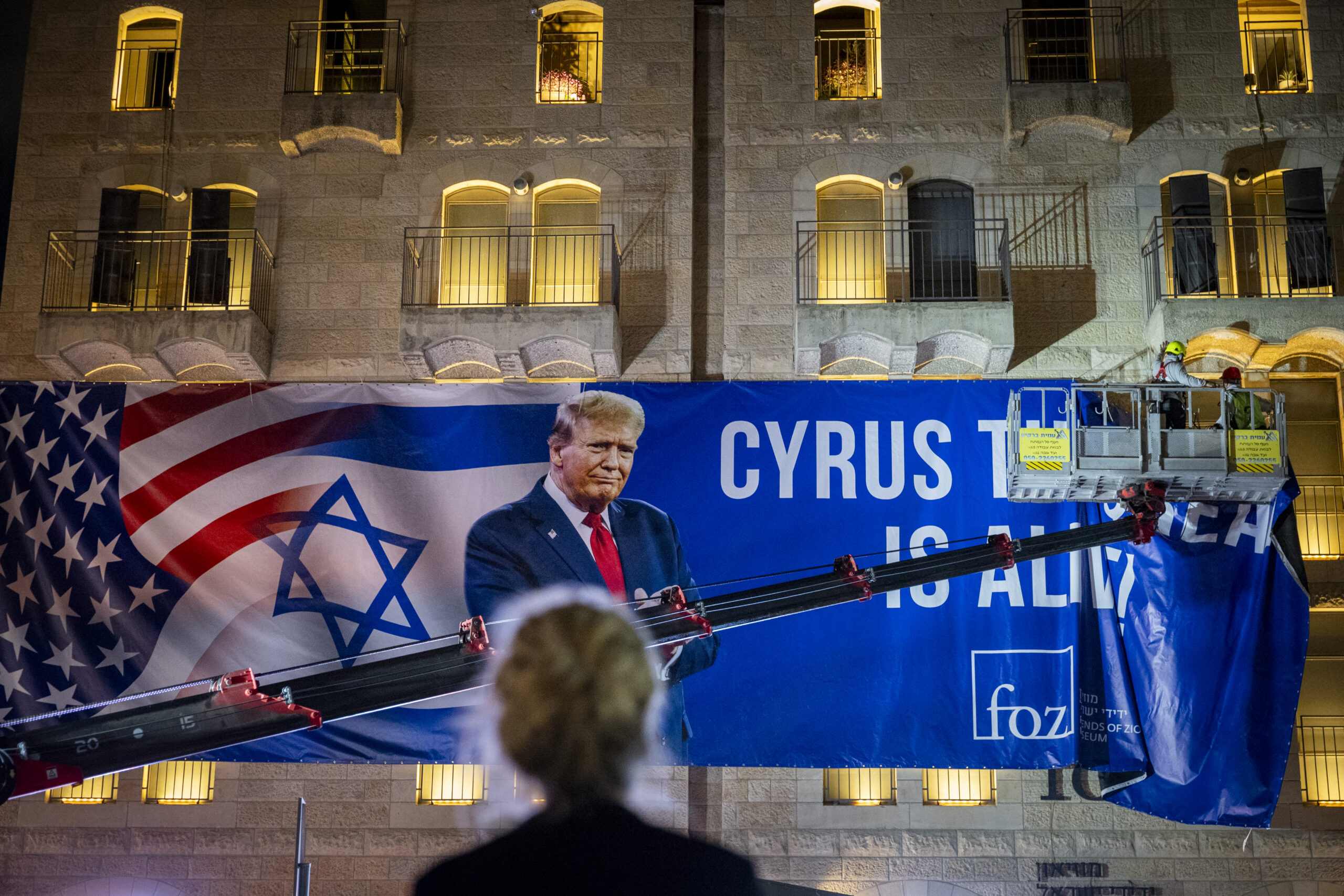
US President Donald Trump previously dismissed the younger Khamenei as a “lightweight” and stated again on Sunday that he should have a say in the appointment of the new head of Iran.
“If he does not receive our approval, he will not remain in office for long,” Trump told ABC News before the announcement was made.
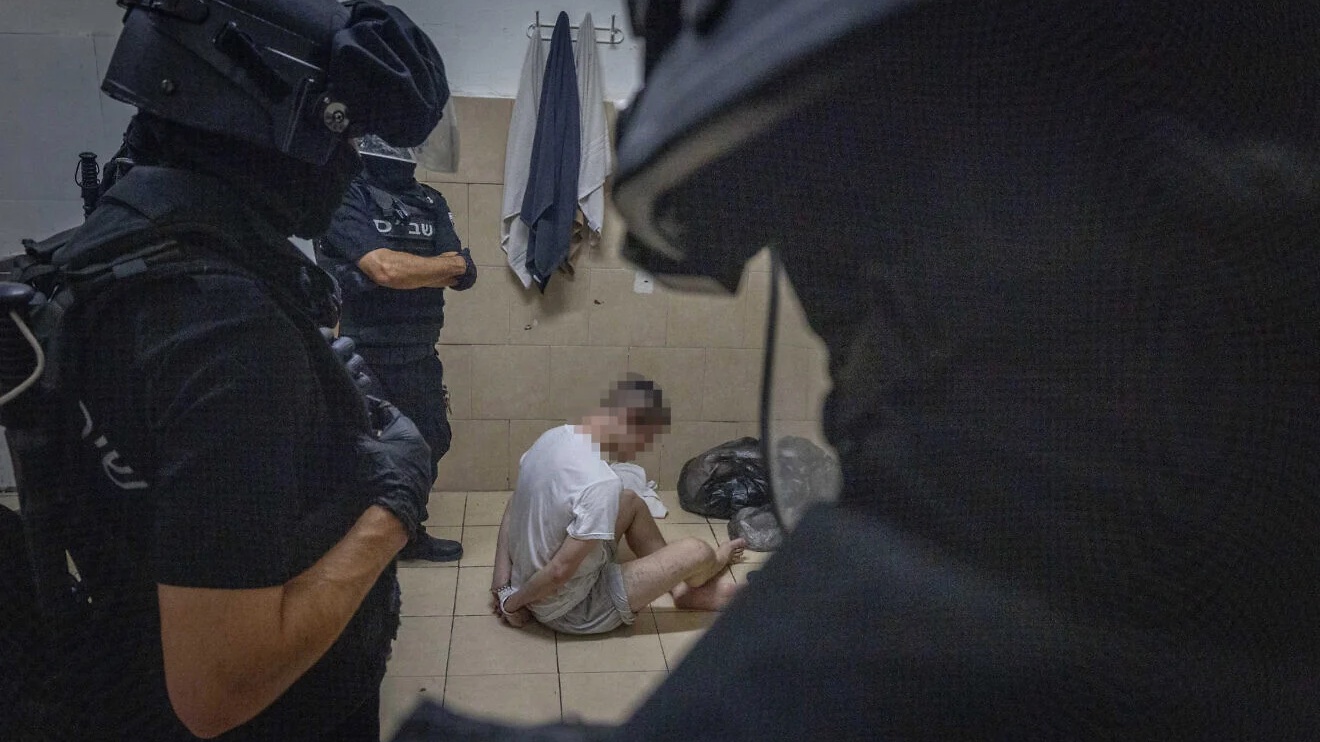
Israel had threatened to kill anyone appointed by the Islamic Republic as Supreme Leader. Defense Minister Israel Katz declared on Wednesday that “any leader appointed by the Iranian terror regime to continue the plan for the destruction of Israel, the threat to the US and the free world as well as the countries of the region, and the suppression of the Iranian people, will be an unequivocal target for elimination.”
The IDF repeated this threat on Sunday and stated before the meeting of the Assembly of Experts in Iran that “the State of Israel will continue to pursue any successor and any person who seeks to appoint a successor for Ali Khamenei.”
Want more news from Israel?
Click Here to sign up for our FREE daily email updates