Today I wanted to share something a little more personal. Many of our readers will know me through our JLMBox shop and the products we send out to the EU, but behind that routine there is another reality that is part of life here in Israel. Below are some reflections on what it actually means to live between civilian life and reserve duty – and the gap between those two worlds.
It’s 4:30 in the morning. The alarm rings earlier than most people would like, but in Jerusalem it’s the only way to beat the traffic. Anyone who has driven into the city knows how quickly the roads can turn into a standstill. By around 5:00 a.m., I’m already at the office.
The computer opens, the first coffee is on the desk, and the day begins. I go through emails that came in overnight, review new orders, organize the day’s tasks, and try to understand where my focus is needed most. Running a business is much more than just operational work. It’s a continuous chain of decisions, managing people, strengthening relationships with customers, improving service, and constantly dealing with the challenges that come with building and maintaining a business.
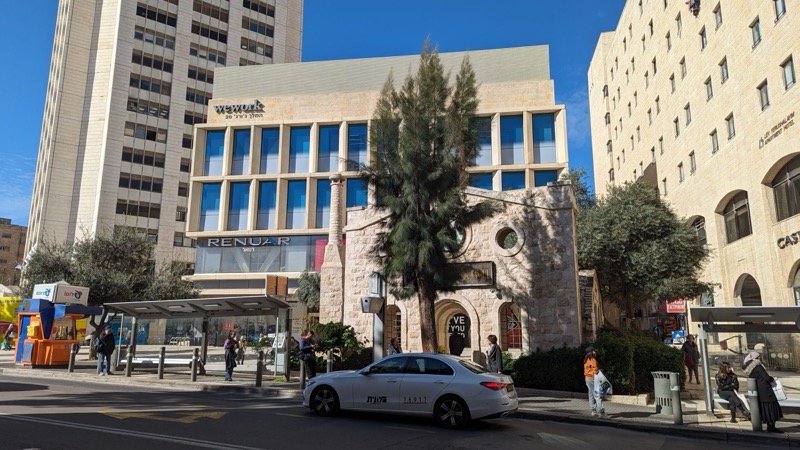
Our office is located in the heart of Jerusalem. Photo: Dov Eilon.
This is my civilian routine.
But in Israel, sometimes that entire routine can stop in a single moment.
One order. Reserve duty.
And within seconds, everything changes.
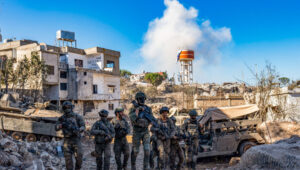
The computer closes. Work pauses. Civilian clothes stay in the closet and the uniform comes out. The soldiers I enlisted with back in 2014 in the Commando Brigade gather again. We have known each other for years, friendships built through training, operations, and experiences that are difficult to explain to anyone who hasn’t been there.
We gather, check one another’s equipment, make sure everyone has what they need. Then we get on the vehicles and move toward the mission – wherever the nation needs us.
Gaza, Lebanon, and today, as part of a much larger confrontation – the wider conflict involving Iran and its regional proxies.
The moment we cross the border, everything changes.
The jokes stay behind. There is no room for hesitation and no room for mistakes. Everyone has to be sharp, focused, and professional. One of my roles as a commander is to make sure that’s exactly what happens.
Beyond the operational mission we were given, I carry another responsibility; the most important one.
To bring everyone home.
Every mission inside enemy territory is really two missions: completing the operational objective and making sure every soldier returns safely. That responsibility is heavy, especially when the soldiers under your command are the same people you have known for more than a decade, friends who have long since become brothers.
My soldiers know me well, and they know well something they’ve heard me say more than once:
“Better a distant friend than a dead one.”
Once the border is crossed, there are no games – only professionalism, discipline, and focus.
And then, one day, we return home.
The uniform goes back into the closet.
Civilian life resumes.
For some, that means going back to a business. For others, to university. For others still, back to their jobs.
Every reservist comes from a different life. Students, employees, entrepreneurs, people just starting their path and people who have already built families and careers. But the moment the call for reserve duty arrives, everyone presses pause on their civilian life.
And when the mission ends, each person has to step back into that life again.
The transition between those two worlds is sharp. Sometimes it happens within hours, sometimes within days. One moment you are operating in a military environment, and the next you are back in civilian life almost as if nothing had happened.
But anyone who lives this reality knows — it’s never that simple.
This is perhaps one of the defining experiences of being a reservist in Israel.
People with ordinary lives – businesses, studies, careers, and families – who at a certain moment leave everything behind, put on a uniform, and step into a completely different world.
And while all of this happens, there is also a home waiting. My wife is in an advanced stage of pregnancy and could give birth at any moment. While I am in the field, she is at home, holding our life together there.
In the middle of this reality, between civilian life and reserve duty, there is also another moment entirely: the moment when we bring new life into the world.
Maybe that explains more than anything else why we do what we do here.
We fight so we can live.
So we can continue bringing children into this world.
So we can continue existing here.
And perhaps it is this gap – between the lives we build and the lives we are called to defend – that best explains what it means to be a reservist in the State of Israel.
Want more news from Israel?
Click Here to sign up for our FREE daily email updates