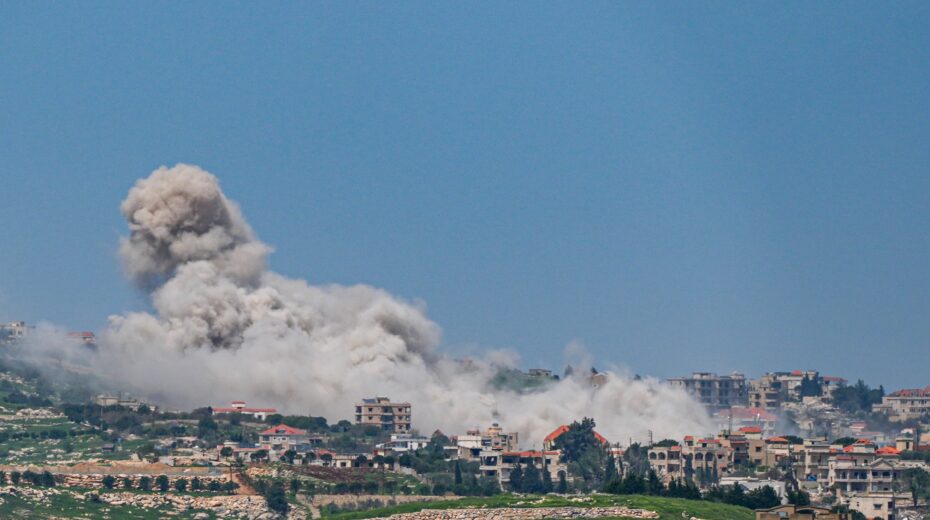

Even after the ceasefire in Lebanon took effect, the situation in northern Israel remains tense. According to the Israeli military, there have been multiple operations against terrorists in southern Lebanon since the ten-day ceasefire began during the night of April 16. The military said these actions were measures of self-defense against immediate threats.
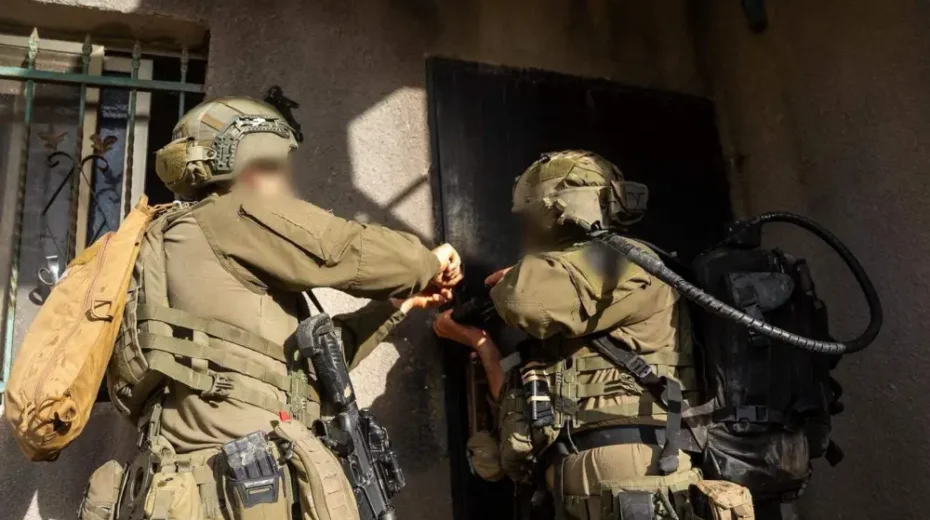
According to the IDF, Israeli soldiers repeatedly identified armed individuals south of the so-called “Yellow Line” who crossed it from the north in the direction of Israeli positions, thereby posing an immediate threat. The army responded, it said, with ground troops, artillery, and also the air force. In one specific case, a target—a tunnel entrance—was struck from the air after Hezbollah terrorists were identified there; a hit was confirmed.
At the same time, the army also attacked infrastructure from which previous attacks on Israel were said to have originated. According to the military, the operations were carried out in line with directives from the political leadership.
“The Israeli army is authorized to take all necessary steps in self-defense,” the military spokesperson’s unit said. Measures to repel immediate threats are explicitly not restricted by the ceasefire. The stated goal remains to ensure both the safety of civilians and that of deployed soldiers.
The ceasefire between Israel and Lebanon came into effect during the night of April 16 and, for the time being, ended the direct military confrontation in the north. It followed an earlier US-brokered ceasefire in the conflict with Iran.
However, the agreement is clearly limited: Israel has committed not to initiate offensive attacks on Lebanese territory, but expressly reserves the right to respond to planned or ongoing attacks. This interpretation was also confirmed by the American side.
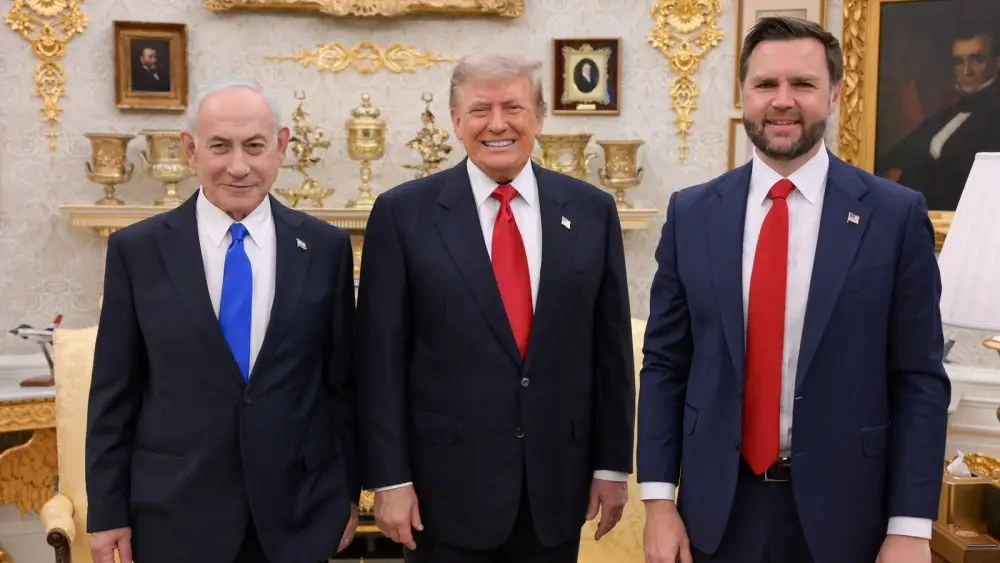
US President Donald Trump also stated that the ceasefire with Iran cannot be applied to Lebanon. Washington will handle the situation in Lebanon separately, particularly with regard to Hezbollah’s role.
Meanwhile, Israeli Prime Minister Benjamin Netanyahu indicated that despite the military tensions, a diplomatic opening may also be emerging. A possible breakthrough in talks with Lebanon could, in the long term, lead to a peace agreement—provided Hezbollah is disarmed.
Lebanese President Joseph Aoun says in a televised address that the direct talks with Israel are not “weakness.” pic.twitter.com/PtIy0qSn7B
— Al Arabiya English (@AlArabiya_Eng) April 17, 2026
Lebanese President Joseph Aoun also stressed that the direct dialogue with Israel, being conducted at this level for the first time in decades, is not a sign of weakness but is in the country’s interest.
Want more news from Israel?
Click Here to sign up for our FREE daily email updates